首頁買幣指南購買SAFU
在 墨西哥 購買 SAFU
SAFU (SAFU)

在 墨西哥 購買 SAFU (SAFU)

了解如何在 LBank 購買SAFU (SAFU),內容涵蓋信用卡、簽帳金融卡、Apple Pay 與銀行轉帳等支付方式,以及購買流程、準備事項與常見問題。

第一步
下載LBank App
請下載LBank App 並註冊以開始使用
第二步
為您的帳戶充值
使用您首選的付款方式進行存款。
第三步
選擇您的數字貨幣
從LBank交易所或錢包上提供的 3,000,000+ 數字貨幣中選擇您想購買的貨幣。

購買決策資訊速覽表

信用卡 / 簽帳卡

信用卡 / 簽帳卡

手續費
動態費率
處理時間
通常 1 分鐘內,最長 48 小時
最低購買金額
約 10-15 USD 起
適用地區
視地區、法幣、發卡行及支付通道支援情況而定
銀行轉帳 / 本地轉帳

銀行轉帳 / 本地轉帳

手續費
動態費率
處理時間
視支付方式而定,部分本地通道可更快
最低購買金額
約1-10 USD起
適用地區
視當地支付通道而定

在 LBank 購買 SAFU 的三個簡單步驟

註冊 LBank 帳戶

如何在 LBank 購買 SAFU:支援的付款方式一覽

了解在 LBank 購買 SAFU 可使用的付款方式,包括信用卡、簽帳金融卡、銀行轉帳、Apple Pay、Google Pay、PayPal 與 P2P,幫助您快速選擇適合的 SAFU 購買方式。

信用卡 / 簽帳卡
信用卡 / 簽帳卡
處理時間: 通常 1 分鐘內,最長 48 小時
使用支援國際線上交易的 Visa / Mastercard,確認已開通 3D Secure;失敗後可更換銀行卡或稍後重試
常見失敗原因: 發卡行拒絕加密貨幣交易、餘額不足、3D Secure 驗證失敗、風控攔截、地區或卡組織不支援
銀行轉帳 / 本地轉帳
銀行轉帳 / 本地轉帳
處理時間: 即時至 1-3 個工作日
核對收款帳戶、參考碼和轉帳網路,並使用與實名認證一致的銀行帳戶付款
常見失敗原因: 收款資訊或參考碼錯誤、姓名不一致、銀行處理延遲、轉帳網路不支援

在 LBank 購買SAFU (SAFU)前需要完成哪些準備?

查看在 LBank 購買 SAFU (SAFU) 前需要完成的準備事項,包括註冊帳戶、身份驗證 (KYC)、付款方式、地區可用性與購買前注意事項,幫助您更順利完成 BTC 購買流程。

適合誰
想直接用法幣快速購買 SAFU 的用戶
買前準備清單
註冊並登入帳戶
完成所需 KYC
準備支付方式
確認地區可用,查看限額/手續費/到帳時間
用戶路徑
Buy Crypto

如何在 LBank 上購買SAFU - 逐步指南

在開始之前,請決定您要如何付款:

用法幣支付

如果您是加密貨幣新手,使用法幣(如美元、歐元等)是購買 SAFU 最簡單的方式。LBank 接受各種付款方式,包括簽帳金融卡、信用卡、銀行轉帳,以及可能提供的其他當地付款選項。您可能需要在購買前為您的 LBank 帳戶充值。

用其他加密貨幣支付

如果您已經持有其他加密貨幣,您可以在 LBank 上將它們交易為 SAFU。請確認 LBank 支援您需要的交易對(例如,Bitcoin (BTC)。LBank 提供多種交易對,讓您可以方便地將現有的加密貨幣兌換為 SAFU 。

LBank 支援多種付款方式

您可以使用以下各種付款方式在 LBank 上購買 SAFU:

簽帳金融卡
信用卡
PayPal
Apple Pay
Google Pay

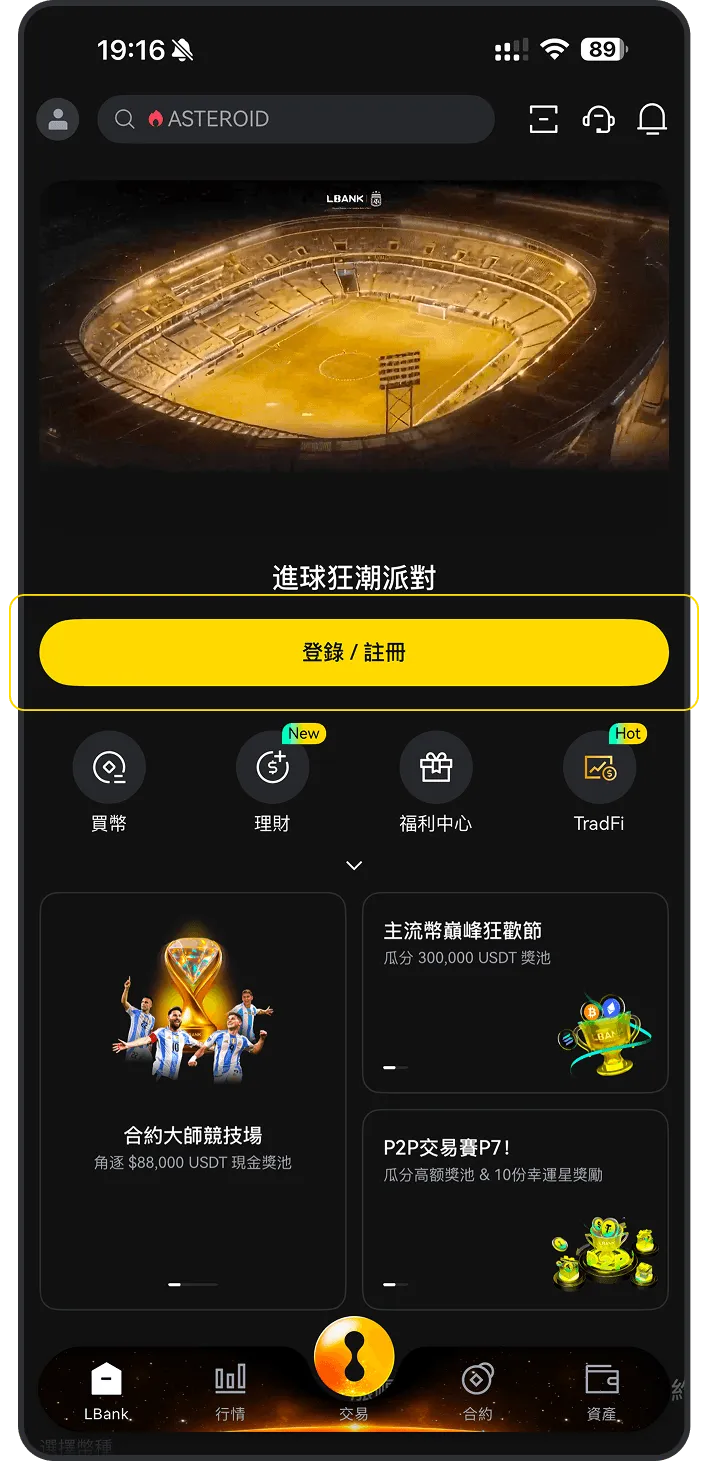
手機應用程式指南

1
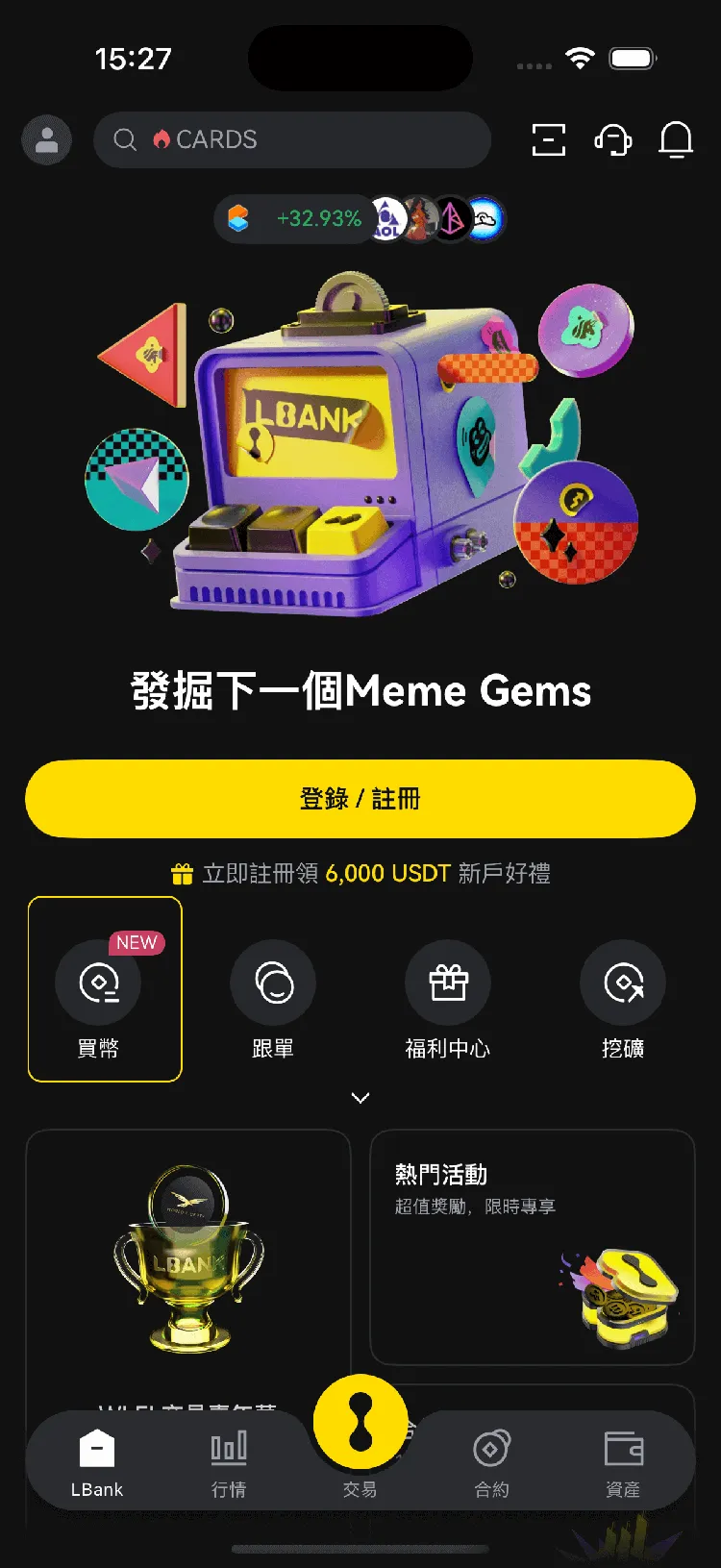
打開 LBank 手機應用程式,然後點擊「買幣」
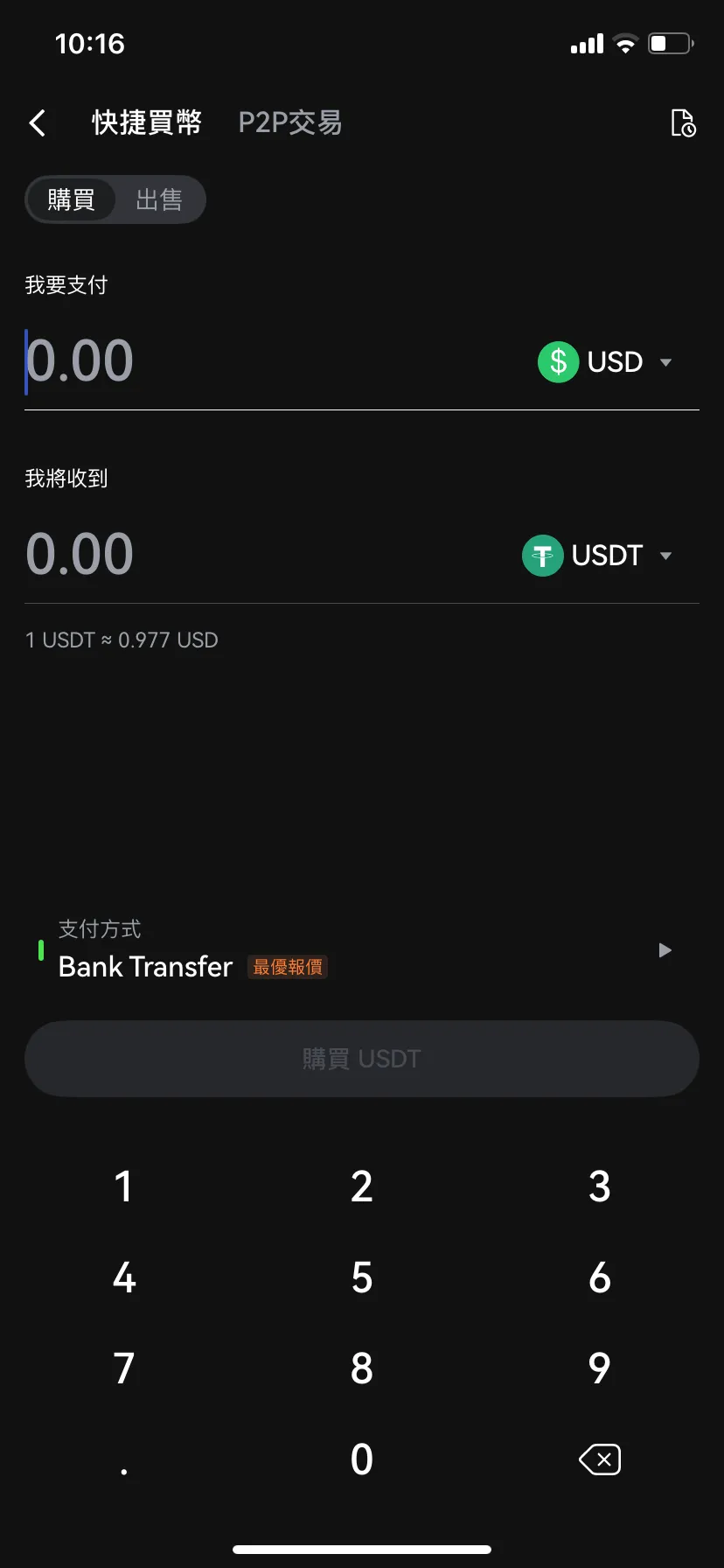
2
選擇「購買」
3
選擇 ,輸入您要使用的法幣,輸入金額,點擊「買入」或「確認」

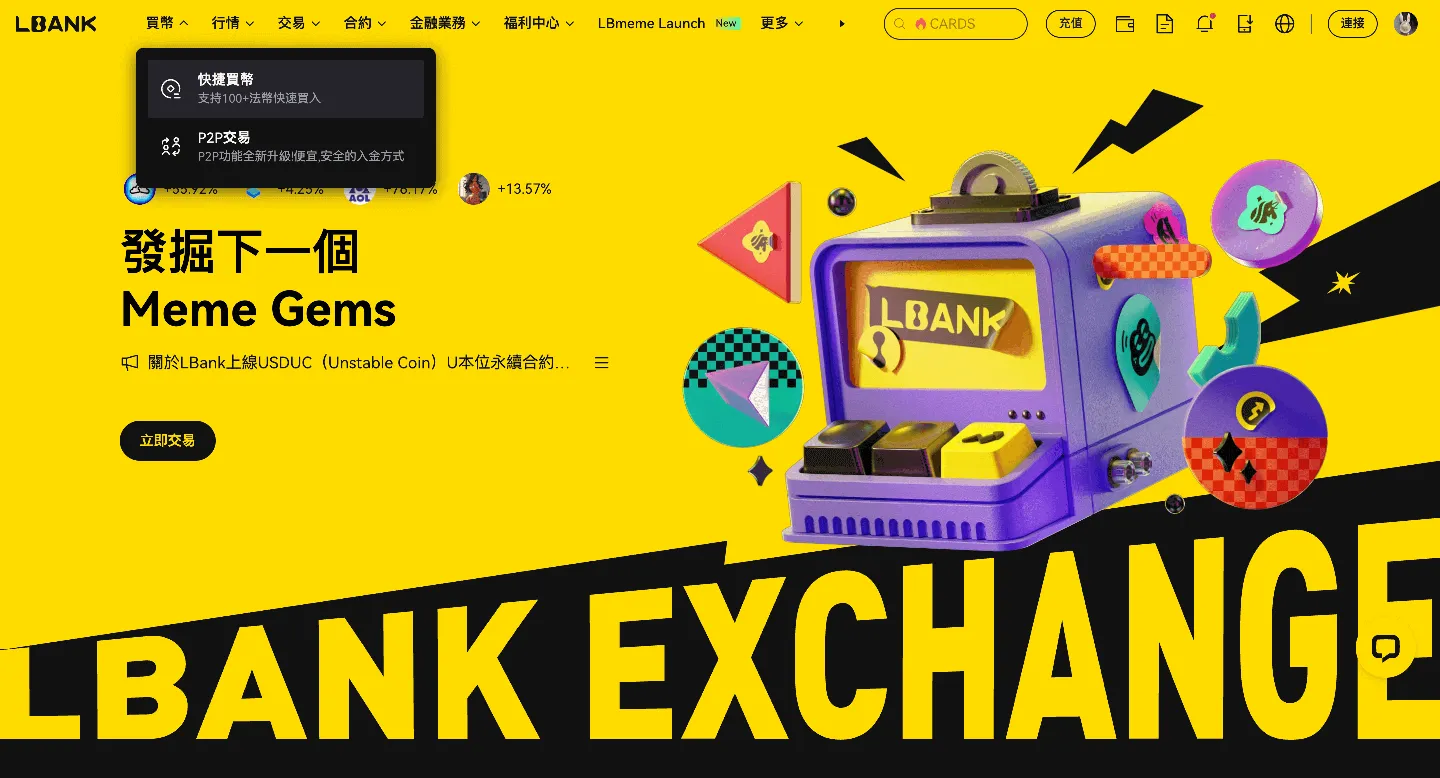
桌面版指南

1
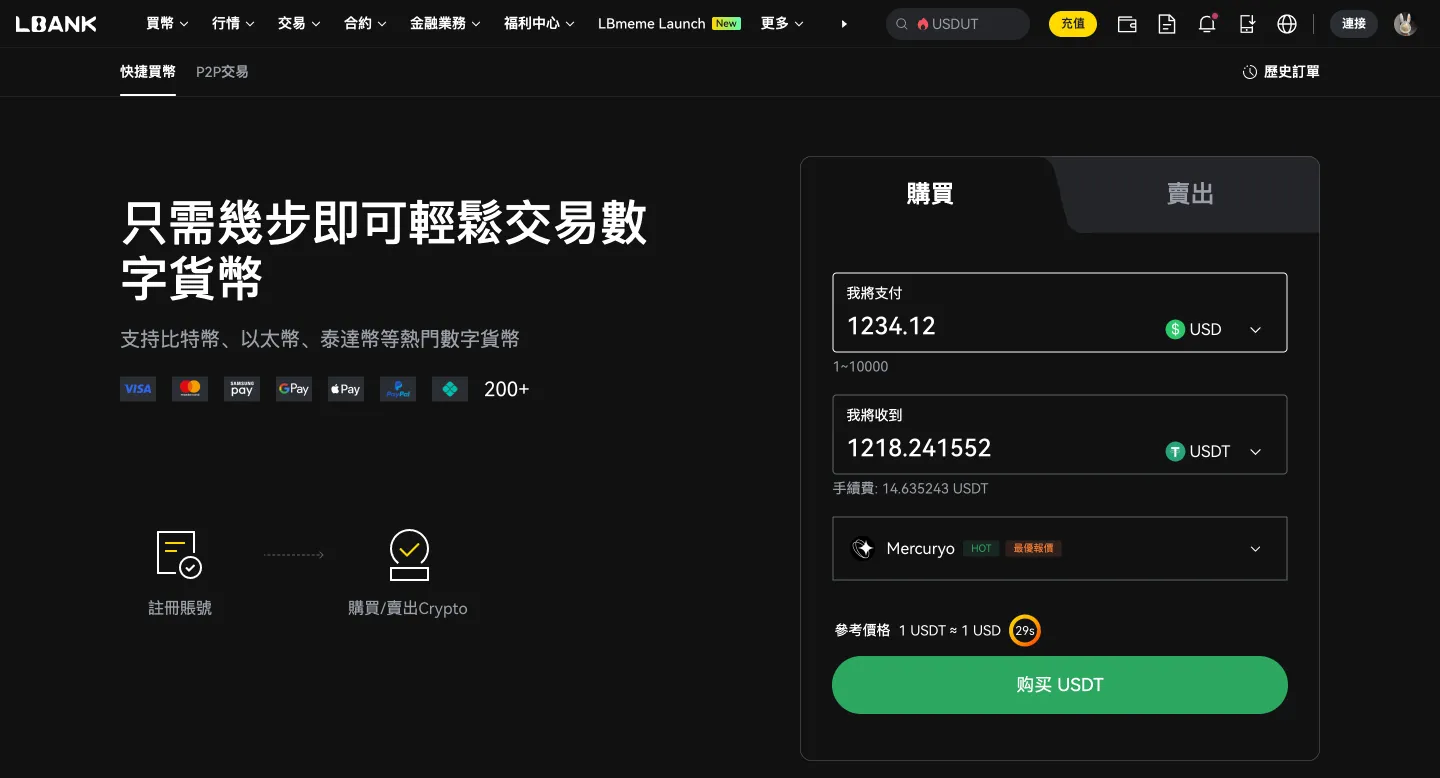
在您的桌面瀏覽器上登入 LBank,然後點擊「快捷買幣」選項。
2
在「快捷買幣」標籤上:

(a). 選擇您要使用的法幣

(b). 選擇要購買的 SAFU

(c). 輸入金額或使用快速選項(例如,100、100、500、最大值)

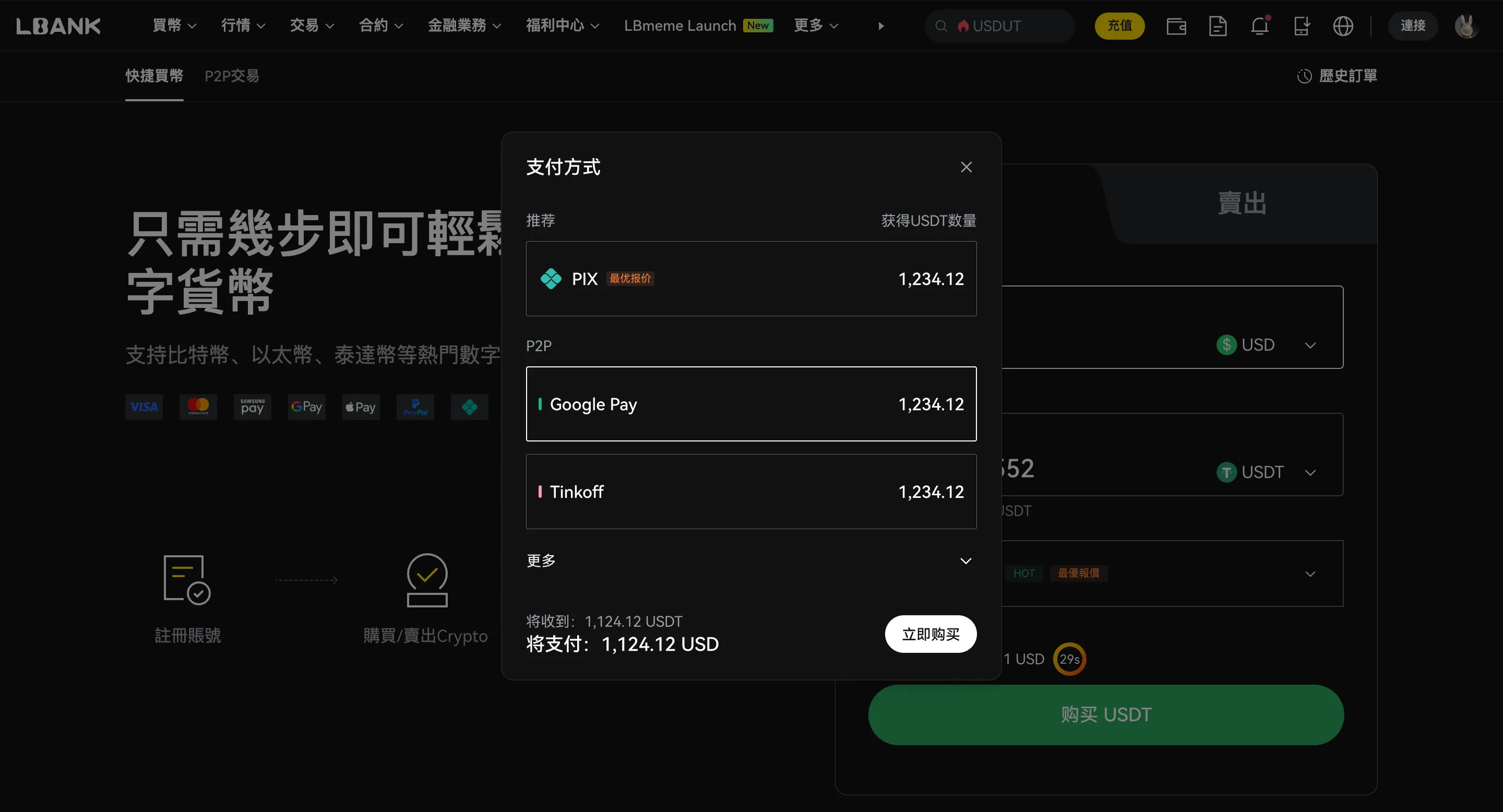
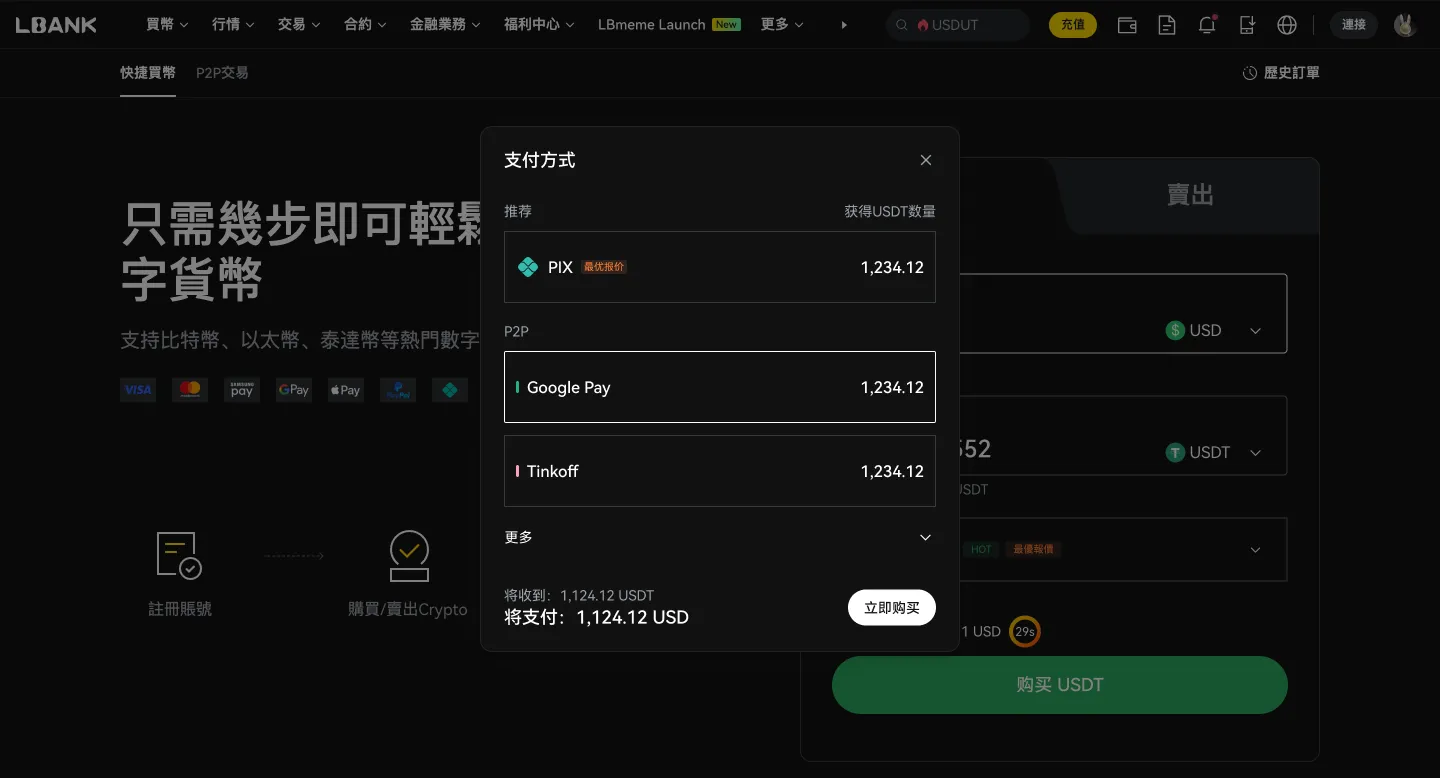
(d). 選擇您的付款方式

(e). 點擊「確認」或「立即購買」

P2P 交易

商家
單價
數量 | 限額
支付方式
操作
AM
AMG_Trading
485 min | 100%
0.936 USD
9900.00 USDT
93.600 - 9266.400USD
Bank Transfer
PE
PewPewPow (MYR)
1033 min | 100%
0.945 USD
1041.52 USDT
30.000 - 984.236USD
Bank Transfer
US
USER-ZPPA7ULJ
885 min | 100%
1.000 USD
4.00 USDT
1.000 - 4.000USD
Bank Transfer

什麼是 SAFU (SAFU)?

The SAFU project is a cryptocurrency and Web3 initiative that takes its name from the acronym Secure Asset Fund for Users. This term was originally popularized in the crypto industry as a label for emergency insurance funds designed to protect investors during unforeseen events like exchange hacks or technical failures. Over time, the name evolved from an industry catchphrase into a specific token and community-driven movement within the decentralized finance ecosystem. The SAFU token is primarily built on the BNB Chain. It is often categorized as a meme-inspired project but positions itself with a focus on security, transparency, and innovation. The project aims to bridge the gap between viral internet culture and practical utility by leveraging the trust associated with its name. According to project descriptions, it seeks to redefine what it means for a digital asset to be secure in the Web3 space. In terms of technical features, some iterations of the SAFU project include decentralized protocol elements such as yield aggregation, staking, and governance. For instance, the SAFU Protocol or SafuYield framework describes a system where the token serves as a governance tool, allowing holders to participate in a decentralized autonomous organization known as a DAO. This structure enables community members to create proposals and vote on the future direction of the ecosystem. Some versions of the project also incorporate deflationary mechanisms, such as reflection rewards, where participants can theoretically benefit from the activity within the network. The project is heavily influenced by the cultural ethos of the crypto community, particularly the idea of collective security and investor protection. It often utilizes social media and community platforms to drive engagement, portraying itself as a movement rather than just a financial asset. By grounding itself in the BNB Chain ecosystem, the project utilizes that network's infrastructure for transaction processing and smart contract functionality. Overall, the SAFU project represents an attempt to commercialize and decentralize a well-known security concept from the centralized exchange world, turning a phrase meant for investor reassurance into a functional Web3 token and governance ecosystem. It emphasizes a community-first approach and the importance of maintaining a secure environment for decentralized asset management. 瞭解更多

SAFU (SAFU) 是否是一個好的投資標的?

SAFU (SAFU) 是否是一個好的投資標的取決於您個人的財務狀況和風險承受能力。加密貨幣投資具有投機性,價格可能高度波動。

在投資 SAFU (SAFU) 或任何加密貨幣之前,請考慮以下因素:

您的財務目標
您的財務目標
您是尋求短期收益還是長期增長?
您的風險承受能力
您的風險承受能力
您對於損失金錢的可能性有多大的承受度?
多元化
多元化
不要把所有的雞蛋放在同一個籃子裡。將您的投資組合分散到不同的資產類別中。
您的目標和時間範圍
您的目標和時間範圍
加密貨幣最適合長期投資者。免責聲明:這不是財務建議。在做出任何投資決策之前,請進行徹底的研究。

在 LBank 購買 SAFU 的手續費、限額與到帳時間

比較不同支付方式下的手續費、交易限額與預計到帳時間。實際費用與可用性可能因地區、法幣、支付方式及第三方服務商不同而變化,請以下單頁顯示為準。

投資報酬率計算

如果我投資,我的利潤是多少?
投入
$
進入
SAFU
日期
2026-07-03
您將獲得 -- 美元的利潤,即投資報酬率的 --

您可以用 SAFU (SAFU) 做什麼?

投資
購買並持有 SAFU (SAFU),期望其價值隨著時間的推移而增加。
投資
交易
在 LBank 上積極交易 SAFU (SAFU),從價格波動中獲利。
交易
支付
在接受的地方使用 SAFU (SAFU) 支付商品和服務。
支付

為什麼 LBank 是購買 SAFU (SAFU) 的最佳平台?

使用者友善的介面
使用者友善的介面
LBank 提供一個簡單直觀的平台,用於購買和出售 SAFU (SAFU)。
具競爭力的費用
具競爭力的費用
LBank 為 SAFU (SAFU) 提供具競爭力的交易費用。
安全的平台
安全的平台
LBank 採用強大的安全措施來保護您的資金。
多樣的交易對
多樣的交易對
LBank 提供多種 SAFU (SAFU) 交易對選擇。
24/7 客戶支援
24/7 客戶支援
LBank 提供客戶支援,以協助您解決任何問題或疑問。
手機應用程式
手機應用程式
使用 LBank 手機應用程式隨時隨地交易 SAFU (SAFU)。
高流動性
高流動性
LBank 為 SAFU (SAFU) 交易提供出色的流動性,確保您可以輕鬆買賣您的加密貨幣資產。
監管合規
監管合規
LBank 遵守其營運所在司法管轄區的所有監管要求,確保合規和安全的交易環境

買到 SAFU 後,怎麼存放更合適?

買到 SAFU 後,可以根據使用頻率、持有週期與安全需求,選擇不同的存放方式。如果你需要隨時交易,可先存放在 LBank 帳戶;如果更重視自主管理或長期安全,則可考慮個人錢包或硬體錢包。

存放在 LBank 帳戶

存放在 LBank 帳戶

適合誰
想隨時交易或兌換的用戶
短期持有 BTC 的用戶
特點
買入後可直接使用,操作更方便
適合頻繁交易、轉換或繼續使用平台功能
安全提醒
請開啟 2FA
設定防釣魚碼
僅透過官方入口登入帳戶
轉到個人熱錢包

轉到個人熱錢包

適合誰
希望自己管理資產的用戶
需要日常轉帳或鏈上使用的用戶
特點
使用更靈活,方便日常收發與管理
更適合小額持有與日常使用場景
安全提醒
不要將助記詞或私鑰保存在雲端
不要透過聊天工具、郵件或截圖保存敏感資訊
留意釣魚網站與假錢包 App
轉到硬體錢包

轉到硬體錢包

適合誰
長期持有 BTC 的用戶
更重視安全性的大額持有者
特點
私鑰離線儲存,安全性通常更高
更適合長期存放,不常移動的資產
安全提醒
妥善離線備份助記詞
不要向任何人透露恢復短語
遺失助記詞後,資產可能無法恢復

SAFU (SAFU) 常見問題

The $SAFU token serves as the core utility and governance asset for the Safura decentralized protection protocol. Holders use the token for on-chain governance, allowing them to vote on protocol upgrades and parameters. Additionally, users stake tokens in protection pools to provide cover capacity for various Web3 projects. By staking, participants help secure the network and earn a portion of the fees generated from protection premiums. The token is also integral to the claim assessment process, ensuring a decentralized approach to verifying insurance-like claims. The total supply is capped, with distribution allocated across the DAO, community incentives, and the treasury.
In the Safura protocol, rewards are primarily earned by users who provide liquidity to protection pools. By staking $SAFU tokens, participants create cover capacity that safeguards other decentralized projects against potential exploits or vulnerabilities. In exchange for taking on this risk, stakers receive rewards derived from the premiums paid by the protected projects. Furthermore, holders of Safura Shields NFTs may receive additional benefits, such as early access to fairlaunches or a portion of the token supply distributed over time, further incentivizing long-term participation in the ecosystem's security and growth.
Within certain decentralized stablecoin protocols, there is a distinction between the liquid SAFU token and its vote-escrowed version, veSAFU. SAFU is the standard liquid governance token that can be traded on exchanges. To participate in governance and maximize influence, users must lock their tokens for a specific duration to receive veSAFU. veSAFU is a non-transferable token that represents the holder's actual voting power. This mechanism encourages long-term alignment with the protocol's health, as the voting power and potential rewards are tied to the commitment of locking the original tokens.
Liquidation is a core stability mechanic in over-collateralized stablecoin protocols. When a borrower's collateral value falls below a certain threshold, the system triggers a liquidation to ensure the stablecoin remains backed. Stakers participating in the protocol’s Stability Pool play a vital role here. During a liquidation, a portion of the stakers' SAFU balance may decrease to cover the debt. In exchange, they receive a proportional share of the liquidated collateral, such as the underlying asset being liquidated. This process ensures the protocol remains solvent while distributing the liquidated assets to those supporting the system's stability.
A Secure Asset Fund for Users, commonly known as SAFU, is an emergency insurance fund established by major cryptocurrency exchanges to protect users in extreme scenarios. This fund is typically composed of stablecoins and other liquid assets, maintained at a high valuation to ensure comprehensive coverage. It is designed to reimburse users for losses resulting from security breaches or vulnerabilities within the exchange’s own internal systems and infrastructure. However, it generally does not cover losses caused by individual user errors, such as misplacing private keys, falling for phishing scams, or making incorrect transfers. Transparency is maintained by publishing the fund’s wallet addresses for public verification.
Given the popularity of the term SAFU as a meme and a mark of security, investors must perform due diligence. First, verify the smart contract address against the project's official website to avoid malicious clones. Second, check the audit status; reputable projects undergo rigorous security reviews by recognized firms. Third, confirm if the liquidity pool is locked and if the contract has been renounced, as these measures prevent developers from withdrawing funds or altering the contract. Security tools like StaySAFU can also be utilized to scan for honeypot risks and other common vulnerabilities before trading on decentralized platforms.

如何購買其他加密貨幣資產