BNB (BNB)

如何在 LBank 購買BNB (BNB)

了解如何在 LBank 購買BNB (BNB),內容涵蓋信用卡、簽帳金融卡、Apple Pay 與銀行轉帳等支付方式,以及購買流程、準備事項與常見問題。

第一步
下載LBank App
請下載LBank App 並註冊以開始使用
第二步
為您的帳戶充值
使用您首選的付款方式進行存款。
第三步
選擇您的數字貨幣
從LBank交易所或錢包上提供的 3,000,000+ 數字貨幣中選擇您想購買的貨幣。

購買決策資訊速覽表

信用卡 / 簽帳卡

信用卡 / 簽帳卡

手續費
動態費率
處理時間
通常 1 分鐘內,最長 48 小時
最低購買金額
約 10-15 USD 起
適用地區
視地區、法幣、發卡行及支付通道支援情況而定
銀行轉帳 / 本地轉帳

銀行轉帳 / 本地轉帳

手續費
動態費率
處理時間
視支付方式而定,部分本地通道可更快
最低購買金額
約1-10 USD起
適用地區
視當地支付通道而定

在 LBank 購買 BNB 的三個簡單步驟

註冊 LBank 帳戶

如何在 LBank 購買 BNB:支援的付款方式一覽

了解在 LBank 購買 BNB 可使用的付款方式,包括信用卡、簽帳金融卡、銀行轉帳、Apple Pay、Google Pay、PayPal 與 P2P,幫助您快速選擇適合的 BNB 購買方式。

信用卡 / 簽帳卡
信用卡 / 簽帳卡
處理時間: 通常 1 分鐘內,最長 48 小時
使用支援國際線上交易的 Visa / Mastercard,確認已開通 3D Secure;失敗後可更換銀行卡或稍後重試
常見失敗原因: 發卡行拒絕加密貨幣交易、餘額不足、3D Secure 驗證失敗、風控攔截、地區或卡組織不支援
銀行轉帳 / 本地轉帳
銀行轉帳 / 本地轉帳
處理時間: 即時至 1-3 個工作日
核對收款帳戶、參考碼和轉帳網路,並使用與實名認證一致的銀行帳戶付款
常見失敗原因: 收款資訊或參考碼錯誤、姓名不一致、銀行處理延遲、轉帳網路不支援

在 LBank 購買BNB (BNB)前需要完成哪些準備?

查看在 LBank 購買 BNB (BNB) 前需要完成的準備事項,包括註冊帳戶、身份驗證 (KYC)、付款方式、地區可用性與購買前注意事項,幫助您更順利完成 BTC 購買流程。

適合誰
想直接用法幣快速購買 BNB 的用戶
買前準備清單
註冊並登入帳戶
完成所需 KYC
準備支付方式
確認地區可用,查看限額/手續費/到帳時間
用戶路徑
Buy Crypto

如何在 LBank 上購買BNB - 逐步指南

在開始之前,請決定您要如何付款:

用法幣支付

如果您是加密貨幣新手,使用法幣(如美元、歐元等)是購買 BNB 最簡單的方式。LBank 接受各種付款方式,包括簽帳金融卡、信用卡、銀行轉帳,以及可能提供的其他當地付款選項。您可能需要在購買前為您的 LBank 帳戶充值。

用其他加密貨幣支付

如果您已經持有其他加密貨幣,您可以在 LBank 上將它們交易為 BNB。請確認 LBank 支援您需要的交易對(例如,Bitcoin (BTC)。LBank 提供多種交易對,讓您可以方便地將現有的加密貨幣兌換為 BNB 。

LBank 支援多種付款方式

您可以使用以下各種付款方式在 LBank 上購買 BNB:

簽帳金融卡
信用卡
PayPal
Apple Pay
Google Pay

手機應用程式指南

1
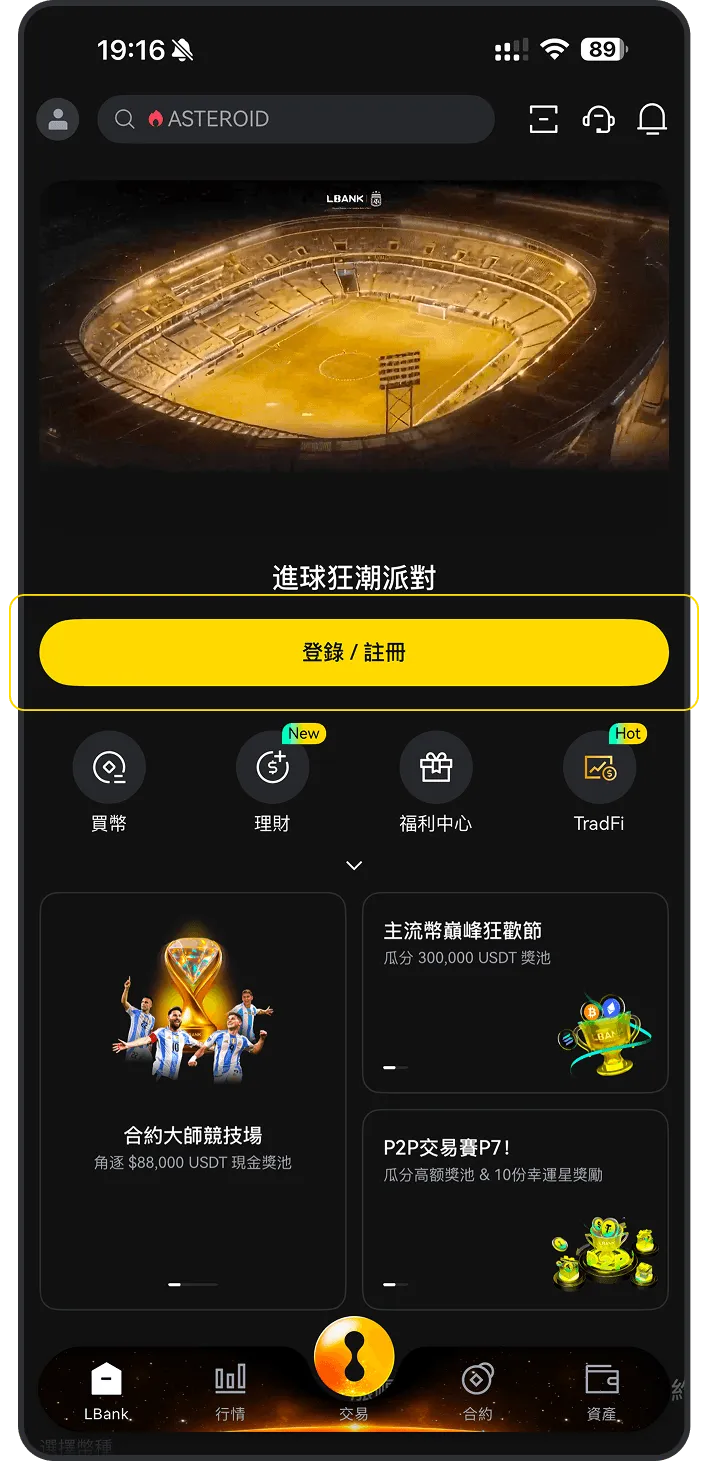
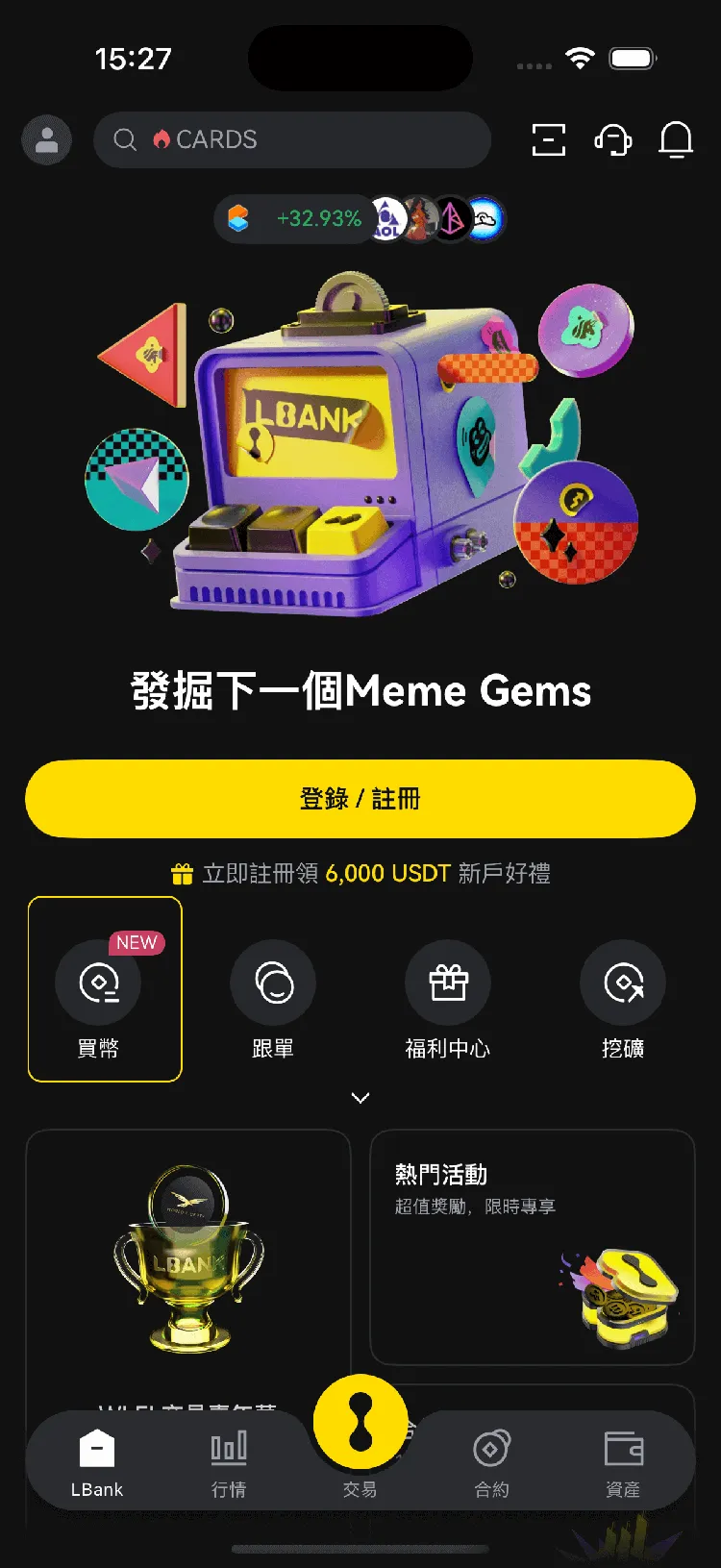
打開 LBank 手機應用程式,然後點擊「買幣」
2
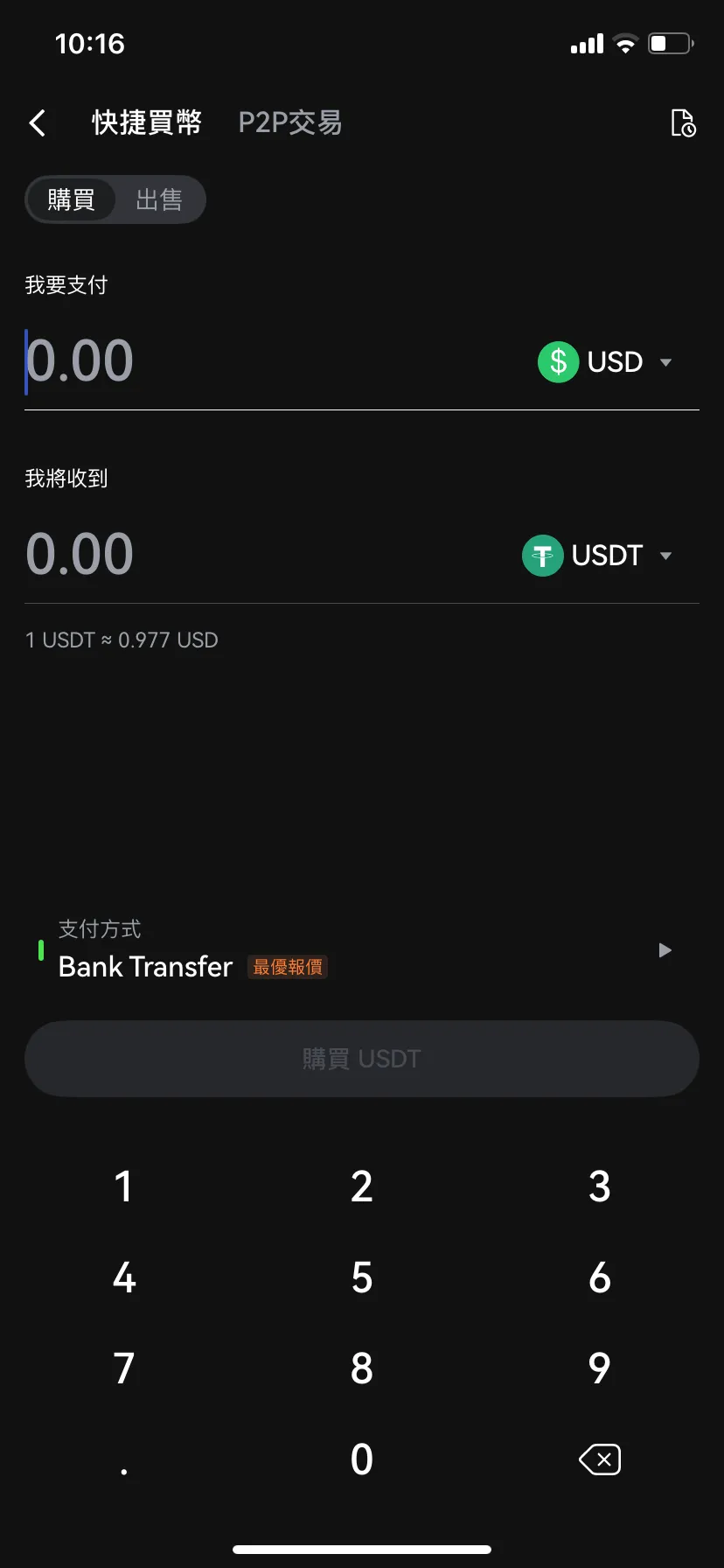
選擇「購買」
3
選擇 ,輸入您要使用的法幣,輸入金額,點擊「買入」或「確認」

桌面版指南

1
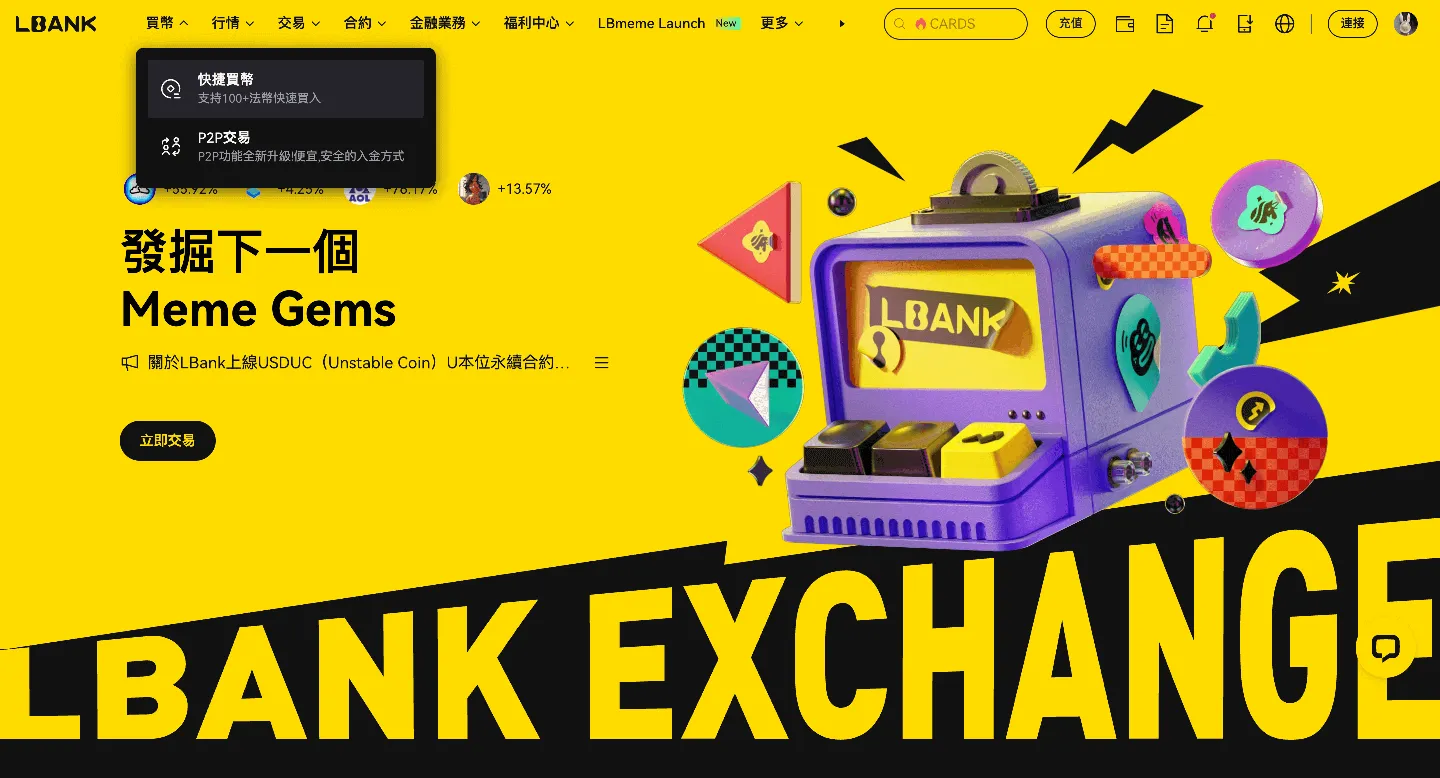
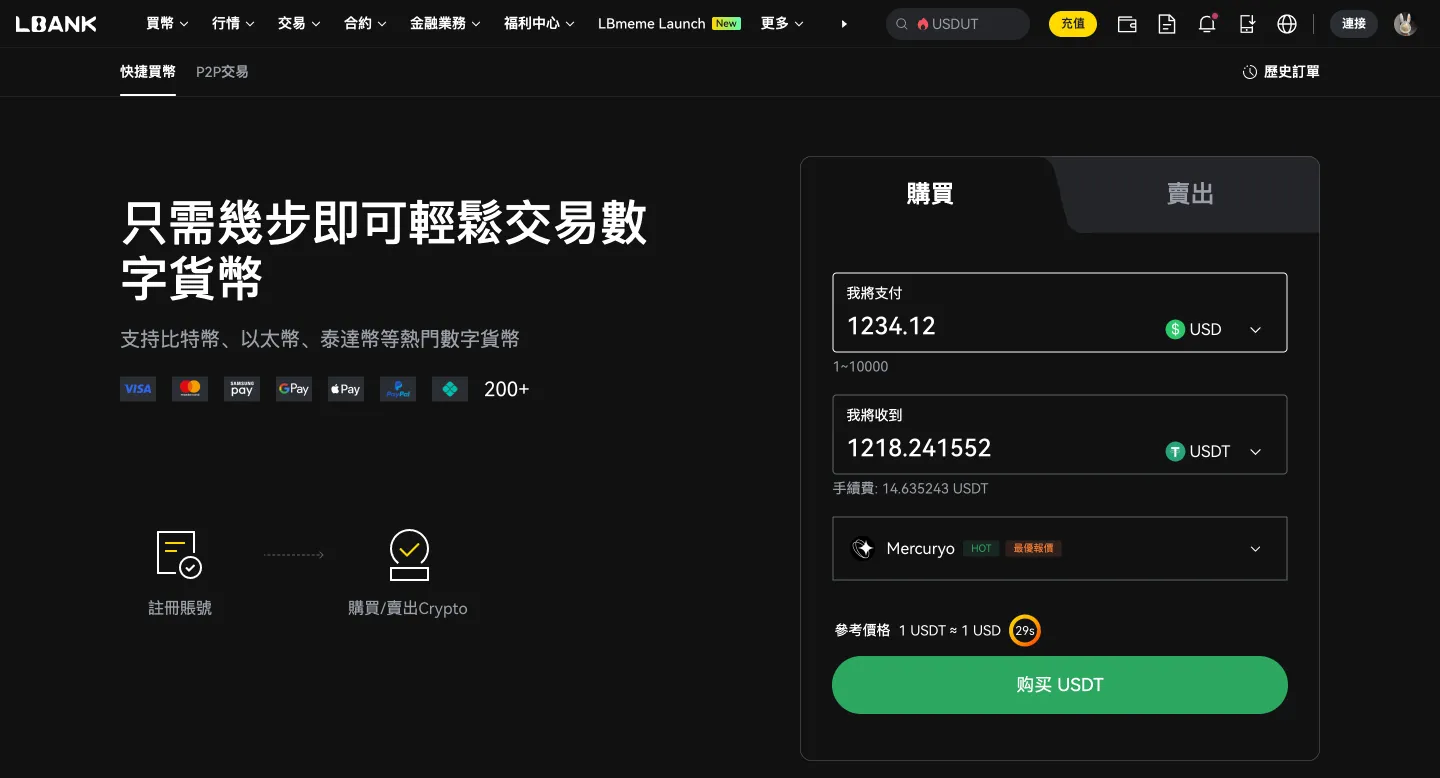
在您的桌面瀏覽器上登入 LBank,然後點擊「快捷買幣」選項。
2
在「快捷買幣」標籤上:

(a). 選擇您要使用的法幣

(b). 選擇要購買的 BNB

(c). 輸入金額或使用快速選項(例如,100、100、500、最大值)
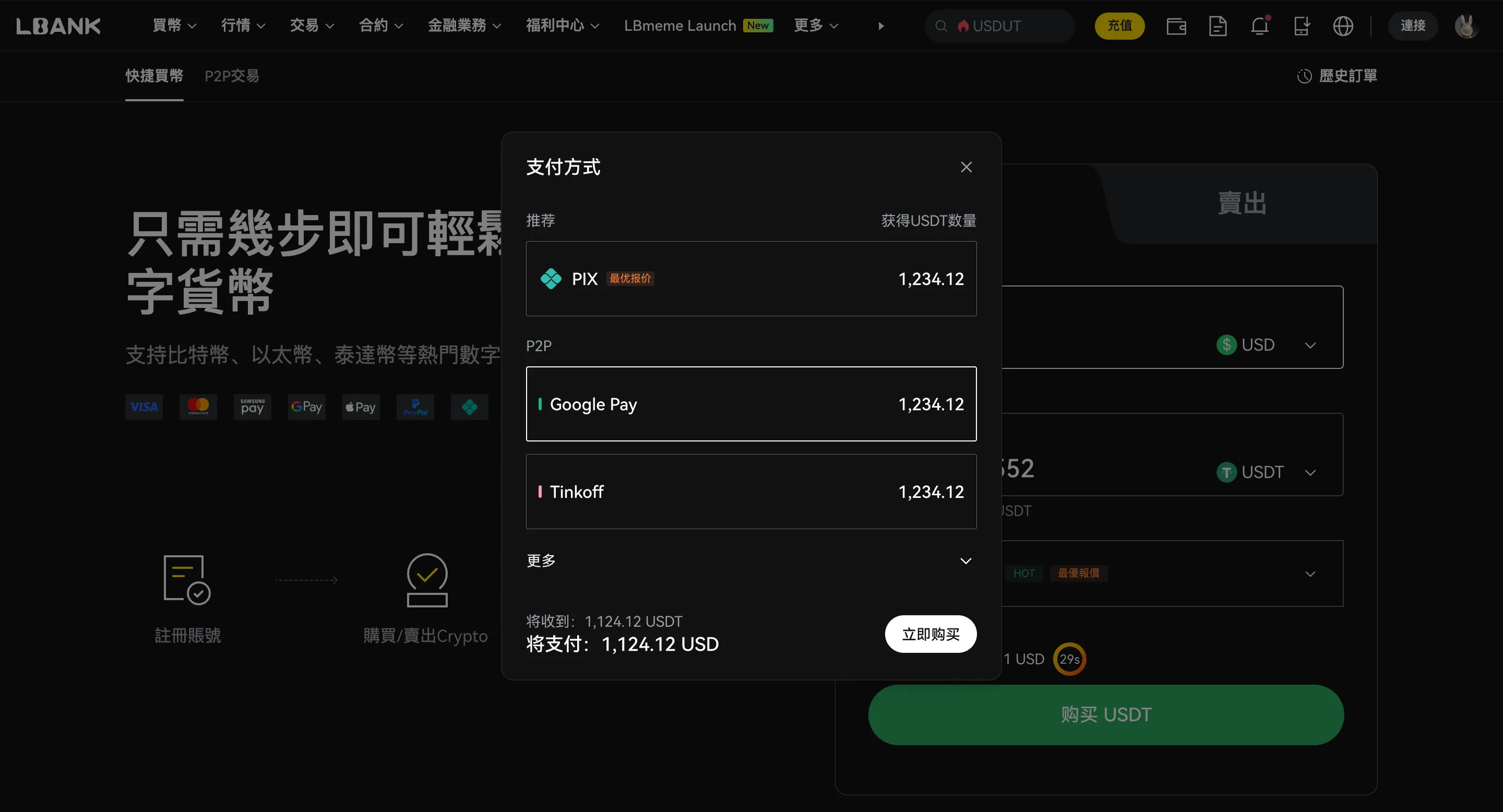
(d). 選擇您的付款方式
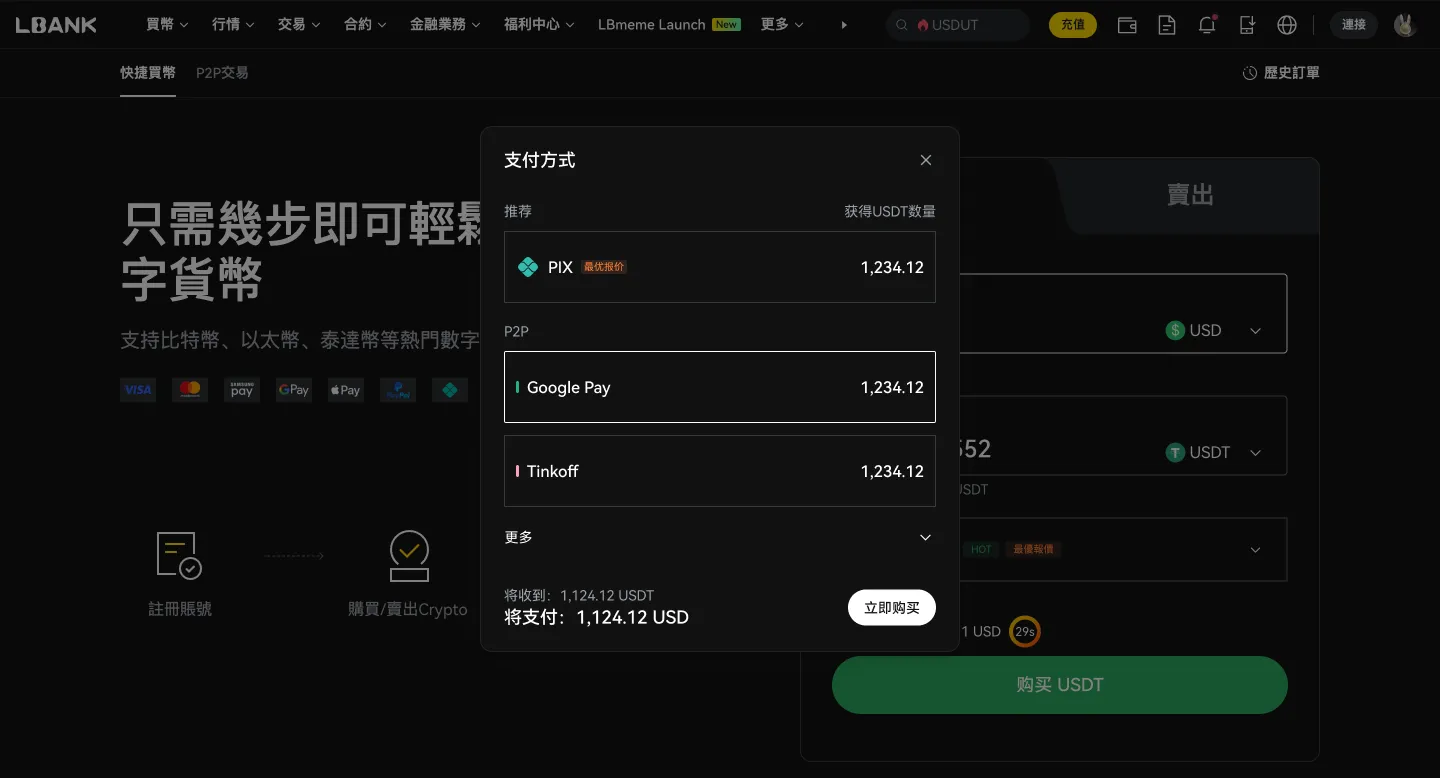
(e). 點擊「確認」或「立即購買」
P2P 交易

商家
單價
數量 | 限額
支付方式
操作
YY
YYDS_Trader
735 min | 100%
0.927 USD
4894.47 USDT
300.000 - 4537.173USD
Bank Transfer
PE
PewPewPow (MYR)
681 min | 100%
0.945 USD
1241.52 USDT
30.000 - 1173.000USD
Bank Transfer
US
USER-ZPPA7ULJ
788 min | 100%
1.000 USD
5.00 USDT
1.000 - 5.000USD
Bank Transfer

什麼是 BNB (BNB)?

BNB, formerly known as Binance Coin, is the native utility token that powers the BNB Chain ecosystem. Launched in July 2017 through an initial coin offering, it originally existed as an ERC-20 token on the Ethereum network. In 2019, it migrated to its own proprietary blockchain, the Binance Chain, and later became the central asset for the Binance Smart Chain. The project has since evolved into a decentralized, community-driven ecosystem now known simply as the BNB Chain. This ecosystem is composed of several specialized layers designed to support various blockchain functions. The BNB Smart Chain is a high-performance layer that supports smart contracts and decentralized applications, maintaining compatibility with the Ethereum Virtual Machine to allow developers to easily port their projects. Another component, the BNB Beacon Chain, handles governance functions such as staking and voting. More recent additions include opBNB, a layer-2 scaling solution for higher transaction speeds, and BNB Greenfield, which focuses on decentralized data storage. As a utility token, BNB serves multiple roles across this network. It is the primary currency used to pay for transaction fees on the BNB Chain, similar to how gas functions on other networks. Within the Binance exchange, holders can use the token to receive discounts on trading fees. It also serves as a requirement for participating in token sales and early-stage project launches on specialized platforms. The token is also central to the network's security model. The BNB Chain uses a consensus mechanism known as Proof of Staked Authority, where users can stake their tokens to support network validators. In exchange for securing the network, participants can earn rewards. Additionally, the project features an automated burn mechanism designed to gradually reduce the total supply of tokens over time based on network activity. Beyond its technical roles, BNB is utilized as a general-purpose digital asset for payments, travel bookings, and interacting with various decentralized finance protocols, gaming platforms, and non-fungible token marketplaces built within its ecosystem. The project emphasizes its Build N Build philosophy, focusing on scaling infrastructure for the broader Web3 economy. 瞭解更多

BNB (BNB) 是否是一個好的投資標的?

BNB (BNB) 是否是一個好的投資標的取決於您個人的財務狀況和風險承受能力。加密貨幣投資具有投機性,價格可能高度波動。

在投資 BNB (BNB) 或任何加密貨幣之前,請考慮以下因素:

您的財務目標
您的財務目標
您是尋求短期收益還是長期增長?
您的風險承受能力
您的風險承受能力
您對於損失金錢的可能性有多大的承受度?
多元化
多元化
不要把所有的雞蛋放在同一個籃子裡。將您的投資組合分散到不同的資產類別中。
您的目標和時間範圍
您的目標和時間範圍
加密貨幣最適合長期投資者。免責聲明:這不是財務建議。在做出任何投資決策之前,請進行徹底的研究。

在 LBank 購買 BNB 的手續費、限額與到帳時間

比較不同支付方式下的手續費、交易限額與預計到帳時間。實際費用與可用性可能因地區、法幣、支付方式及第三方服務商不同而變化,請以下單頁顯示為準。

投資報酬率計算

如果我投資,我的利潤是多少?
投入
$
進入
BNB
日期
2026-07-02
您將獲得 -- 美元的利潤,即投資報酬率的 --

您可以用 BNB (BNB) 做什麼?

投資
購買並持有 BNB (BNB),期望其價值隨著時間的推移而增加。
投資
交易
在 LBank 上積極交易 BNB (BNB),從價格波動中獲利。
交易
支付
在接受的地方使用 BNB (BNB) 支付商品和服務。
支付

為什麼 LBank 是購買 BNB (BNB) 的最佳平台?

使用者友善的介面
使用者友善的介面
LBank 提供一個簡單直觀的平台,用於購買和出售 BNB (BNB)。
具競爭力的費用
具競爭力的費用
LBank 為 BNB (BNB) 提供具競爭力的交易費用。
安全的平台
安全的平台
LBank 採用強大的安全措施來保護您的資金。
多樣的交易對
多樣的交易對
LBank 提供多種 BNB (BNB) 交易對選擇。
24/7 客戶支援
24/7 客戶支援
LBank 提供客戶支援,以協助您解決任何問題或疑問。
手機應用程式
手機應用程式
使用 LBank 手機應用程式隨時隨地交易 BNB (BNB)。
高流動性
高流動性
LBank 為 BNB (BNB) 交易提供出色的流動性,確保您可以輕鬆買賣您的加密貨幣資產。
監管合規
監管合規
LBank 遵守其營運所在司法管轄區的所有監管要求,確保合規和安全的交易環境

買到 BNB 後,怎麼存放更合適?

買到 BNB 後,可以根據使用頻率、持有週期與安全需求,選擇不同的存放方式。如果你需要隨時交易,可先存放在 LBank 帳戶;如果更重視自主管理或長期安全,則可考慮個人錢包或硬體錢包。

存放在 LBank 帳戶

存放在 LBank 帳戶

適合誰
想隨時交易或兌換的用戶
短期持有 BTC 的用戶
特點
買入後可直接使用,操作更方便
適合頻繁交易、轉換或繼續使用平台功能
安全提醒
請開啟 2FA
設定防釣魚碼
僅透過官方入口登入帳戶
轉到個人熱錢包

轉到個人熱錢包

適合誰
希望自己管理資產的用戶
需要日常轉帳或鏈上使用的用戶
特點
使用更靈活,方便日常收發與管理
更適合小額持有與日常使用場景
安全提醒
不要將助記詞或私鑰保存在雲端
不要透過聊天工具、郵件或截圖保存敏感資訊
留意釣魚網站與假錢包 App
轉到硬體錢包

轉到硬體錢包

適合誰
長期持有 BTC 的用戶
更重視安全性的大額持有者
特點
私鑰離線儲存,安全性通常更高
更適合長期存放,不常移動的資產
安全提醒
妥善離線備份助記詞
不要向任何人透露恢復短語
遺失助記詞後,資產可能無法恢復

新聞專區

更多
Binance moves ahead in Philippines as SEC clears BlockShoals sandbox testing
The Philippine SEC has granted final sandbox approval to BlockShoals, moving Binance closer to a regulated return to the local market.BlockShoals will complete a 90 day integration with a licensed local provider before Binance backed user onboarding begins.The approval covers SEC sandbox testing, while separate BSP licensing requirements for crypto services remain in place.
2026-07-02
The Cross-Asset Frontier: Tokenized Equities and Stock Trading on Crypto Platforms
Record Equity Trading Volume: Weekly equity derivative volume on CEXs reached a record $11.6 billion in mid-June 2026, driven by Binance’s push for stock trading and the historic SpaceX IPO.24/7 Collateral Efficiency: Crypto platforms enable 24/7 cross-margining, turning passive stock holdings into productive collateral.Diverse Delivery Channels: Crypto platforms provide seamless equity exposure by integrating with traditional brokerages, RWA tokenization, or perpetual contracts.Binance’s $1B Milestone: Binance captured over $1 billion in assets under management for equities within weeks of launch, leveraging 7,000+ traditional assets as a strategic market-cycle hedge to retain user capital on-platform.This research primer is comissioned by BinanceUnified Interface: Consolidates crypto assets and traditional equities under a single application, eliminating the operational friction of managing multiple apps and accounts.Frictionless Diversification: Enables instant capital reallocation between crypto assets and equities without navigating slow, costly traditional fiat rails and banking bottlenecks.24/7 Collateral Utilization: Overcomes the rigid constraints of traditional market hours by maintaining equity exposure within a crypto-native framework. This unlocks around-the-clock portfolio visibility and allows assets to be utilized as active, cross-margined collateral.Traditional Offchain Routing: Existing brokerage infrastructure integrated directly into the crypto user interface via APIs. This model connects users straight to incumbent underlying liquidity pools while operating entirely within established clearing frameworks.Tokenized Onchain Equities: Real-world assets (RWAs) issued as asset-backed tokens on public blockchains. This framework enables native composability with DeFi ecosystems and instant, 24/7 blockchain-based settlement.Synthetic Equity Derivatives: Perpetual futures contracts that track underlying stock prices via crypto-native order books and dynamic funding payments. This approach provides capital-efficient, high-leverage synthetic exposure while bypassing traditional clearinghouse infrastructure.Binance: Leads the multi-asset charge via a comprehensive three-pronged execution architecture. It provides a) direct equity exposure through an API-routed traditional stock and ETF brokerage service, b) tokenized onchain securities via its native bStocks initiative on the BNB Chain, and c) synthetic exposure through stock perpetual futures contracts to users in eligible jurisdictions.Coinbase: Follows Binance’s footsteps by offering a) stock and ETF trading for US residents, b) immediate plans to launch onchain tokenized equities, and c) stock perpetual futures contracts for non-US traders.Hyperliquid: Leverages permissionless onchain order books to offer high-leverage equity perpetual futures contracts.Transaction Fee: Applying maker/taker fee schedules directly to equity trades executed within the interface.Spread-based Revenue: Monetizing the delta between the buy and sell prices.Asset Management Fee: Charging a management or minting/burning fee for tokenized equity vehicles wrapped directly onchain.Global Retail User Base: Millions of verified, active users can be sold equity products alongside existing crypto assets with minimal incremental customer acquisition costs. Early adoption has been driven largely by younger demographics in emerging markets, with more than 80% of Binance's stock trading volume coming from these regions.Deep Liquidity Pools: Unrivaled market depth and elevated trading volumes across multiple markets on the platform provide an immediate, frictionless foundation for multi-asset volume generation and competitive spreads.Multi-Rail Asset Funding: A robust global architecture that enables seamless multi-channel inflows, allowing users to instantly fund their multi-asset accounts using local fiat payment rails, stablecoins, or major crypto assets.
2026-07-01
Crypto hack theft falls 7% in June to $76 million as Humanity Protocol tops list: PeckShield
Crypto hacks totaled $75.9 million across 40 incidents in June, down 7.1% from May’s $81.7 million, according to PeckShield.The Humanity Protocol exploit topped the list at $31 million, though the project’s own investigation later put losses closer to $36 million.
2026-07-01
Binance and CZ sued in London by 1,700 UK investors
Nearly 1,700 UK investors accuse Binance and CZ of selling unauthorized crypto derivative products.The claim targets futures, options and leveraged tokens allegedly offered before and after FCA restrictions.Binance says it will defend itself while facing wider regulatory pressure in Europe and beyond.
2026-07-01
CZ says AI, war fears and crypto cycle crushed 2026 market
CZ says crypto’s 2026 sell-off has no single cause behind Bitcoin’s sharp yearly decline.AI funding, global tension and the four-year cycle now sit at the center of debate.CZ remains long-term bullish, saying demand for financial technology should keep growing across crypto markets.
2026-06-28
CEA Industries ends proxy fight with YZi Labs, adds Ella Zhang as board director
BNB treasury firm CEA Industries has entered a cooperation agreement with YZi Labs, ending months-long governance disputes.YZi Labs’ Ella Zhang and Alex Odagiu will join CEA’s boardroom as new directors, according to a press release.
2026-06-24

了解更多關於 BNB (BNB) 的資訊

更多

BNB (BNB) 常見問題

BNB is a versatile utility token with multiple use cases across the digital asset ecosystem. It is widely used to obtain trading fee discounts on major exchanges like LBank and to pay for transaction (gas) fees on the BNB Smart Chain. Additionally, BNB allows users to participate in token sales via launchpad platforms, engage in network staking to earn rewards, and even make real-world purchases for travel and services through supported merchant payment systems.
The Auto-Burn is a programmatic system designed to gradually reduce the total supply of BNB until only 100 million tokens remain. This quarterly process utilizes a transparent formula based on the token's price and the number of blocks generated on the BNB Chain. By permanently removing tokens from circulation, this mechanism, combined with real-time gas fee burning, ensures the token remains deflationary over time.
The ecosystem was historically divided into two layers: the BNB Beacon Chain (BEP-2), which handled governance and staking, and the BNB Smart Chain (BEP-20), an EVM-compatible layer designed for smart contracts and decentralized applications. These layers are currently merging into a unified ecosystem to simplify the user experience while maintaining a robust environment for DeFi, NFTs, and Web3 development.
BNB Chain utilizes a Proof of Staked Authority (PoSA) consensus model, which relies on a specific set of validators to secure the network. This approach allows the chain to offer significantly faster transaction speeds and lower fees compared to many competitors. While the limited number of validators makes it more centralized than some networks, it provides the high-performance infrastructure necessary for mass-scale Web3 applications and gaming.
On the BNB Chain, all transaction fees must be paid in the native BNB token. Even if you are transferring stablecoins or other assets, the network requires a small amount of BNB to process the transaction. If your wallet does not contain the native token to cover these 'gas fees,' the transfer will fail. It is a best practice to always keep a small reserve of BNB in your wallet to ensure smooth operations.
A Memo (or Tag) is essential when sending BNB to a centralized exchange account, such as your wallet on LBank. Because exchanges often use shared addresses for multiple users, the Memo acts as a unique identifier to route the funds to your specific account. While sending to a private, non-custodial wallet usually does not require a Memo, omitting it when depositing to an exchange can result in the temporary or permanent loss of funds.

將 BNB (BNB) 兌換成其他資產

購買 BNB (BNB) 後,可以用來交易法定貨幣和其他加密貨幣。LBank 提供 200 多個 BNB (BNB) 交易對,因此您可以輕鬆進出市場。

現貨市場合約市場

如何購買其他加密貨幣資產