首頁買幣指南購買PLB
在 巴西 購買 PLB
Paladeum (PLB)

在 巴西 購買 Paladeum (PLB)

了解如何在 LBank 購買Paladeum (PLB),內容涵蓋信用卡、簽帳金融卡、Apple Pay 與銀行轉帳等支付方式,以及購買流程、準備事項與常見問題。

第一步
下載LBank App
請下載LBank App 並註冊以開始使用
第二步
為您的帳戶充值
使用您首選的付款方式進行存款。
第三步
選擇您的數字貨幣
從LBank交易所或錢包上提供的 3,000,000+ 數字貨幣中選擇您想購買的貨幣。

購買決策資訊速覽表

信用卡 / 簽帳卡

信用卡 / 簽帳卡

手續費
動態費率
處理時間
通常 1 分鐘內,最長 48 小時
最低購買金額
約 10-15 USD 起
適用地區
視地區、法幣、發卡行及支付通道支援情況而定
銀行轉帳 / 本地轉帳

銀行轉帳 / 本地轉帳

手續費
動態費率
處理時間
視支付方式而定,部分本地通道可更快
最低購買金額
約1-10 USD起
適用地區
視當地支付通道而定

在 LBank 購買 PLB 的三個簡單步驟

註冊 LBank 帳戶

如何在 LBank 購買 PLB:支援的付款方式一覽

了解在 LBank 購買 PLB 可使用的付款方式,包括信用卡、簽帳金融卡、銀行轉帳、Apple Pay、Google Pay、PayPal 與 P2P,幫助您快速選擇適合的 PLB 購買方式。

信用卡 / 簽帳卡
信用卡 / 簽帳卡
處理時間: 通常 1 分鐘內,最長 48 小時
使用支援國際線上交易的 Visa / Mastercard,確認已開通 3D Secure;失敗後可更換銀行卡或稍後重試
常見失敗原因: 發卡行拒絕加密貨幣交易、餘額不足、3D Secure 驗證失敗、風控攔截、地區或卡組織不支援
銀行轉帳 / 本地轉帳
銀行轉帳 / 本地轉帳
處理時間: 即時至 1-3 個工作日
核對收款帳戶、參考碼和轉帳網路,並使用與實名認證一致的銀行帳戶付款
常見失敗原因: 收款資訊或參考碼錯誤、姓名不一致、銀行處理延遲、轉帳網路不支援

在 LBank 購買Paladeum (PLB)前需要完成哪些準備?

查看在 LBank 購買 Paladeum (PLB) 前需要完成的準備事項,包括註冊帳戶、身份驗證 (KYC)、付款方式、地區可用性與購買前注意事項,幫助您更順利完成 BTC 購買流程。

適合誰
想直接用法幣快速購買 PLB 的用戶
買前準備清單
註冊並登入帳戶
完成所需 KYC
準備支付方式
確認地區可用,查看限額/手續費/到帳時間
用戶路徑
Buy Crypto

如何在 LBank 上購買Paladeum - 逐步指南

在開始之前,請決定您要如何付款:

用法幣支付

如果您是加密貨幣新手,使用法幣(如美元、歐元等)是購買 Paladeum 最簡單的方式。LBank 接受各種付款方式,包括簽帳金融卡、信用卡、銀行轉帳,以及可能提供的其他當地付款選項。您可能需要在購買前為您的 LBank 帳戶充值。

用其他加密貨幣支付

如果您已經持有其他加密貨幣,您可以在 LBank 上將它們交易為 Paladeum。請確認 LBank 支援您需要的交易對(例如,Bitcoin (BTC)。LBank 提供多種交易對,讓您可以方便地將現有的加密貨幣兌換為 Paladeum 。

LBank 支援多種付款方式

您可以使用以下各種付款方式在 LBank 上購買 Paladeum:
簽帳金融卡
信用卡
PayPal
Apple Pay
Google Pay

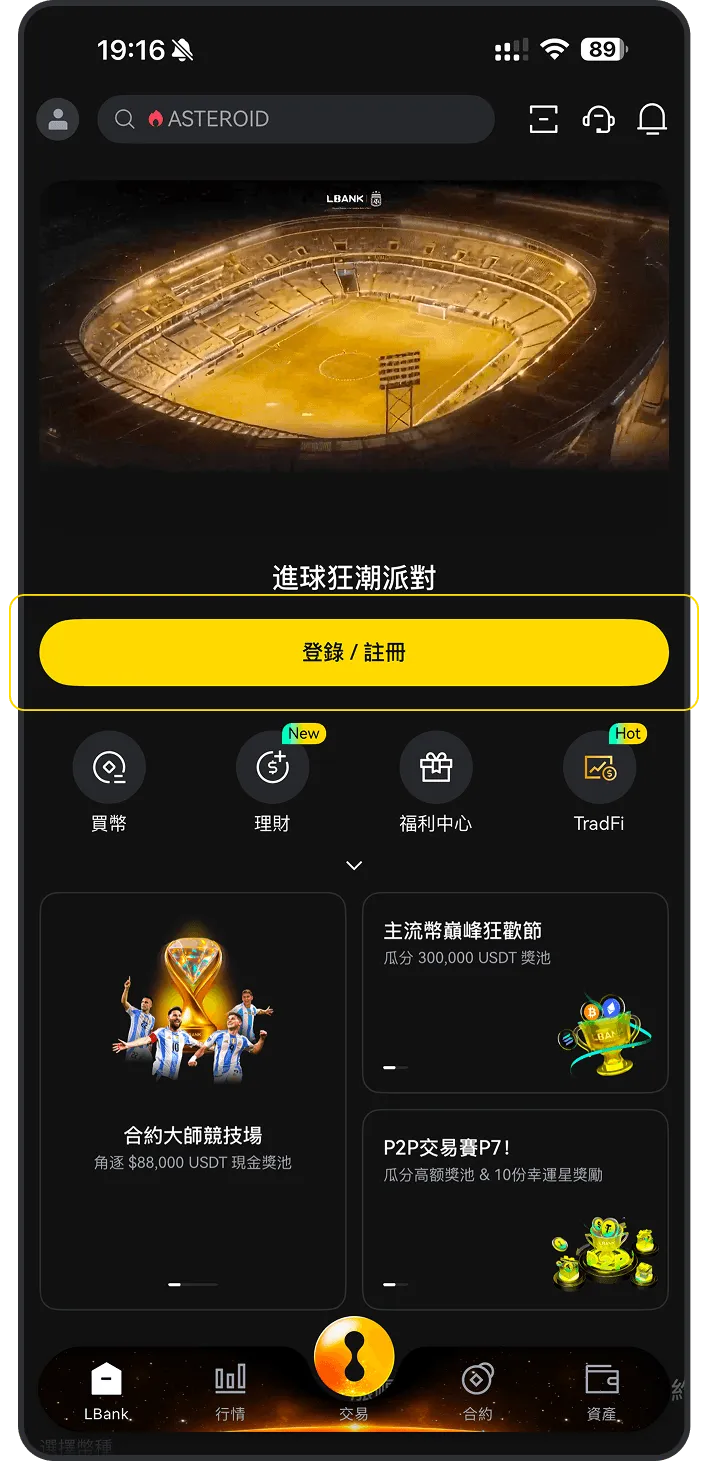
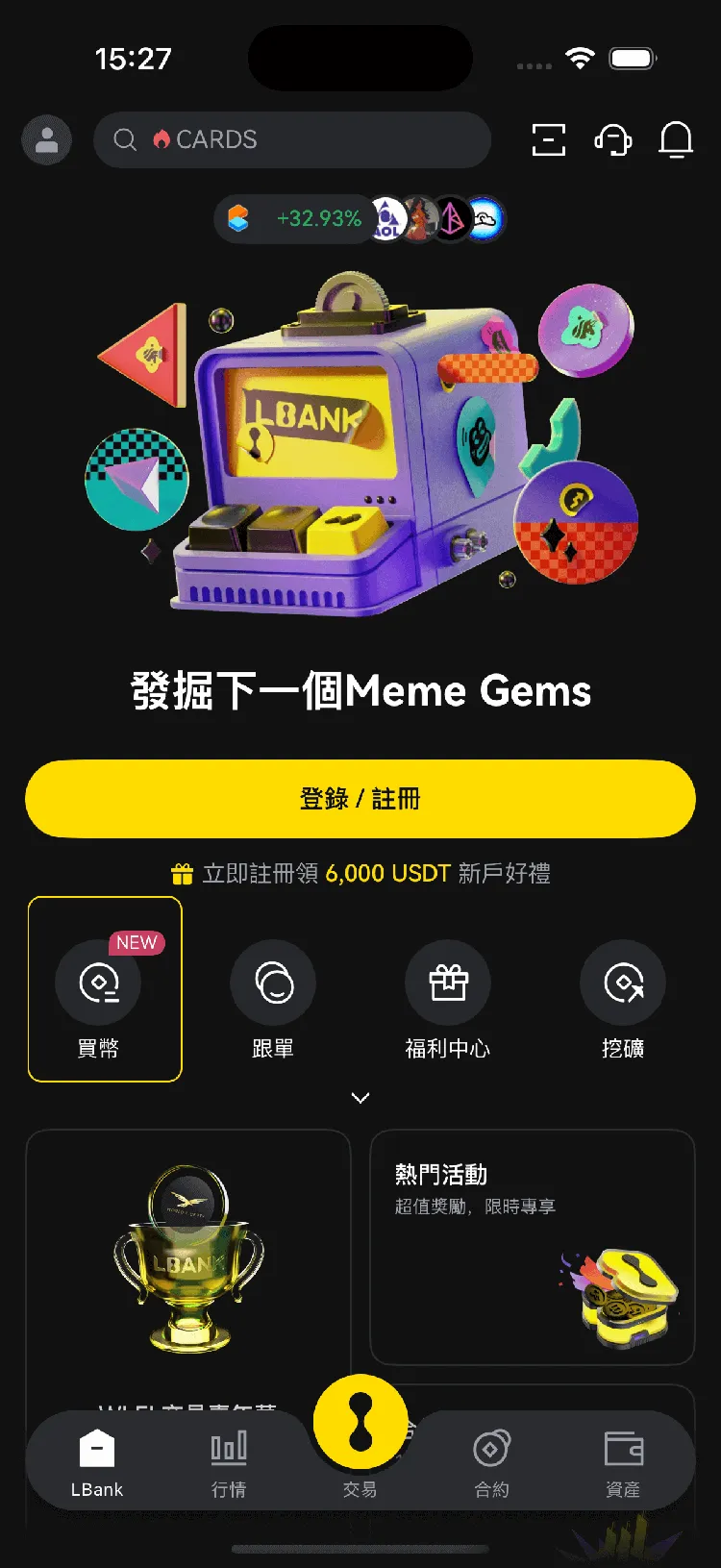
手機應用程式指南

1
打開 LBank 手機應用程式,然後點擊「買幣」
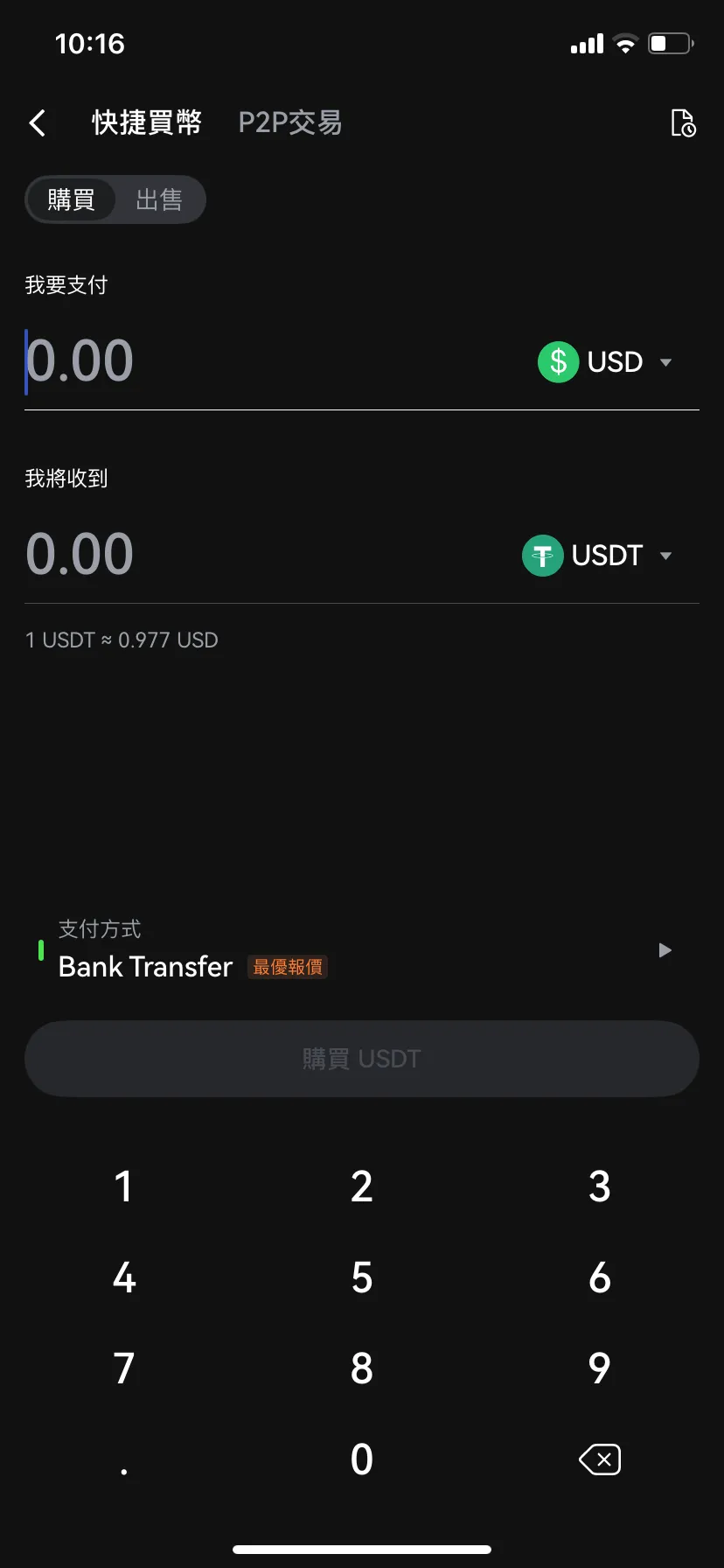
2
選擇「購買」
3
選擇 ,輸入您要使用的法幣,輸入金額,點擊「買入」或「確認」

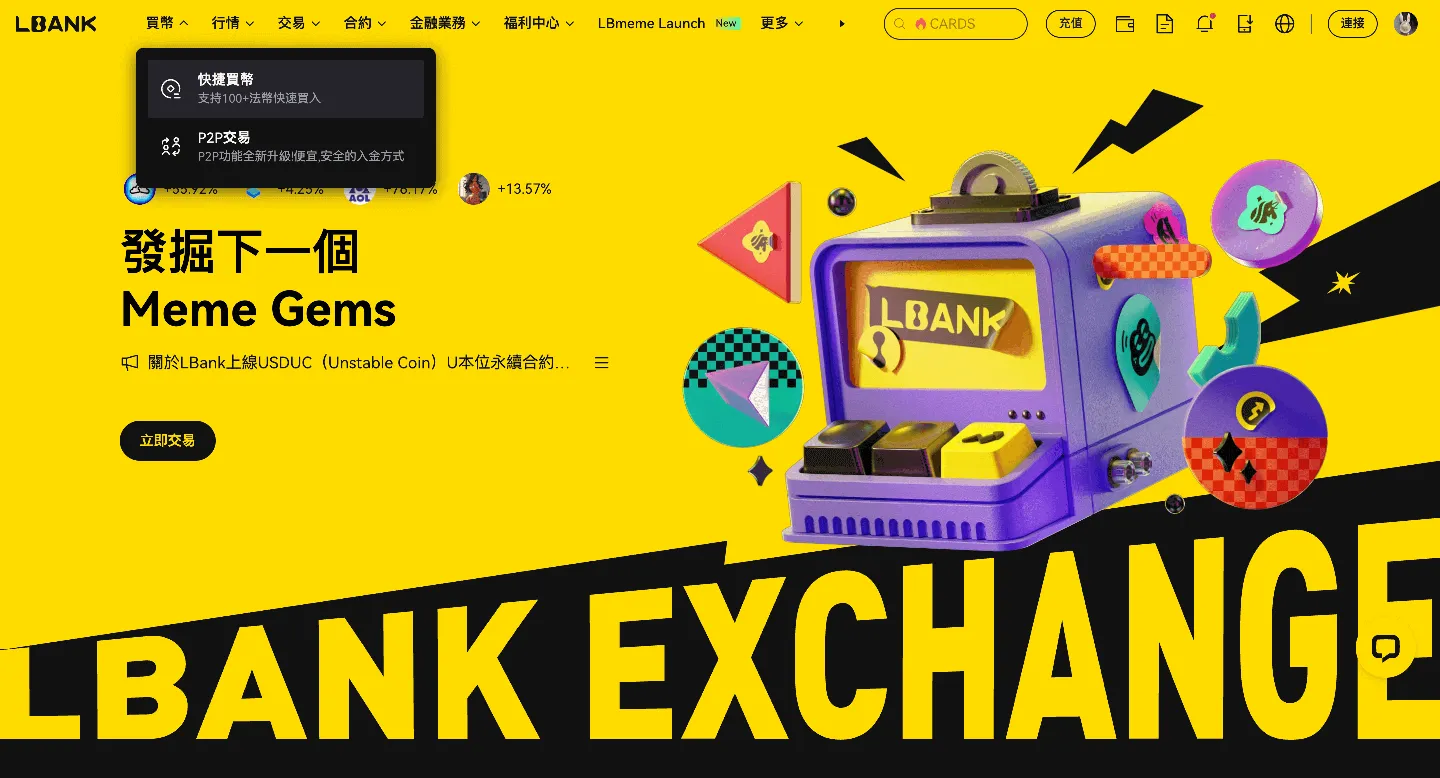
桌面版指南

1
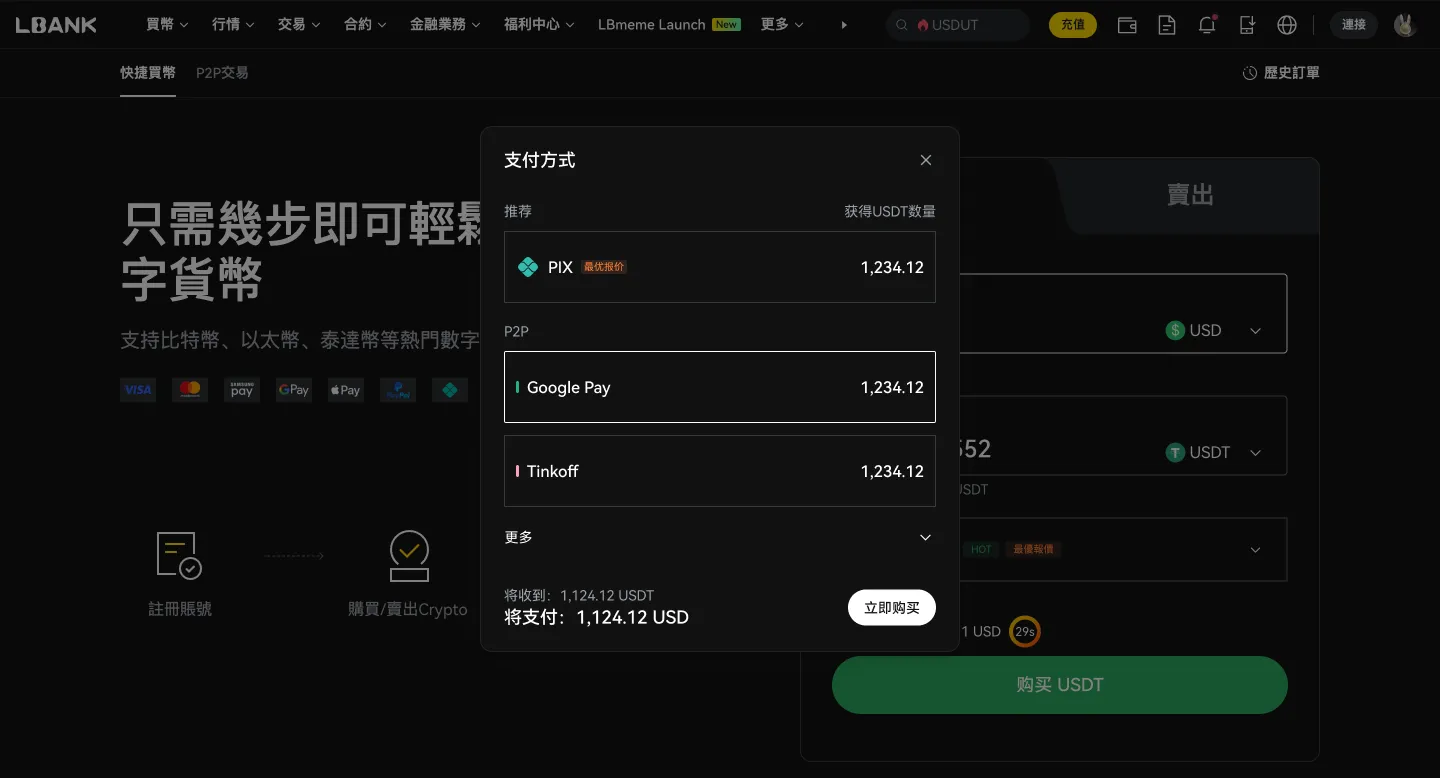
在您的桌面瀏覽器上登入 LBank,然後點擊「快捷買幣」選項。
2
在「快捷買幣」標籤上:

(a). 選擇您要使用的法幣

(b). 選擇要購買的 Paladeum

(c). 輸入金額或使用快速選項(例如,100、100、500、最大值)
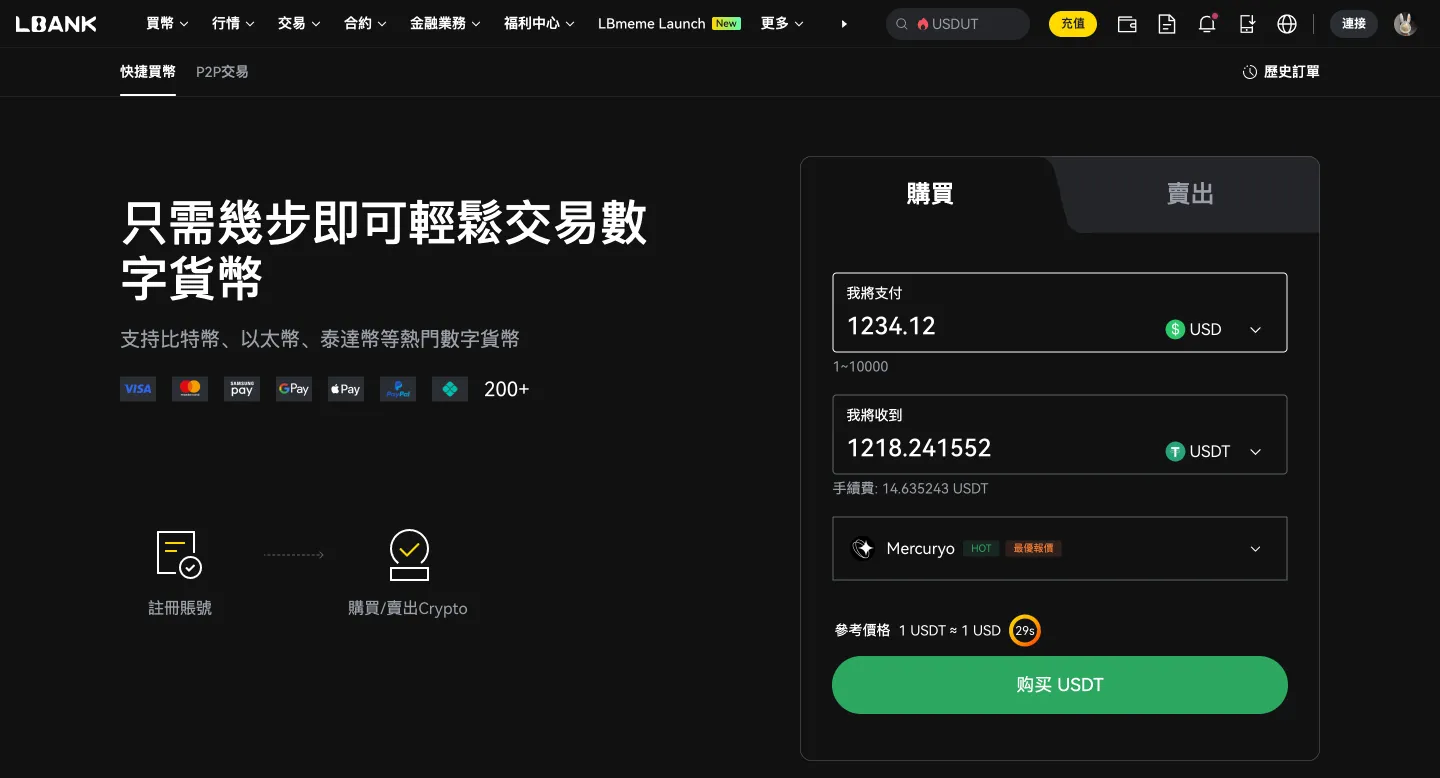
(d). 選擇您的付款方式
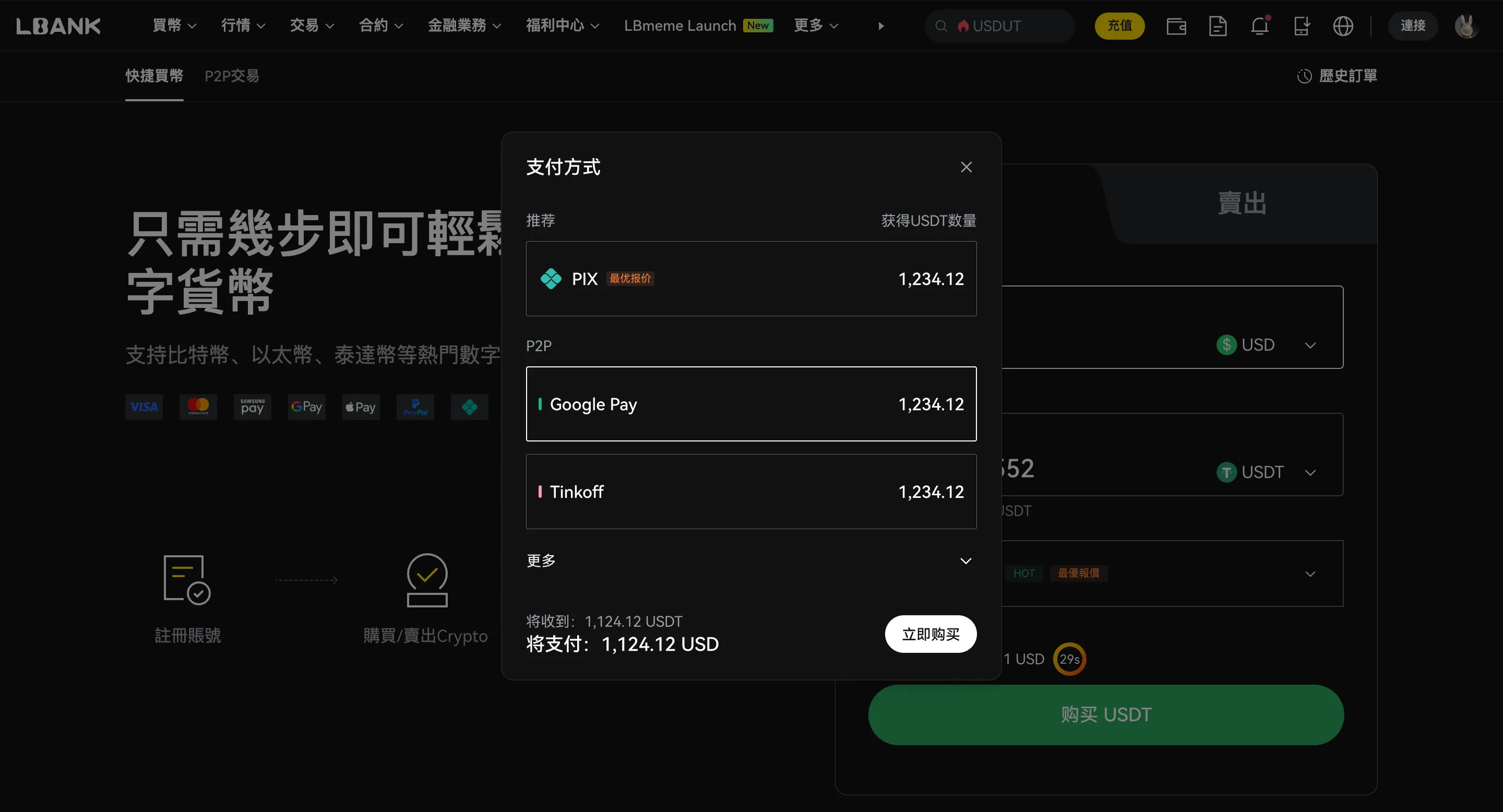
(e). 點擊「確認」或「立即購買」
P2P 交易

商家
單價
數量 | 限額
支付方式
操作
US
USER-ZPPA7ULJ
1199 min | 100%
1.000 USD
4.00 USDT
1.000 - 4.000USD
Bank Transfer
PA
PAYMENT BY MYR
743 min | 95.23%
1.000 USD
698.73 USDT
10.000 - 698.000USD
Bank Transfer
PO
Ponreay_FX
309 min | 100%
1.004 USD
276.50 USDT
10.000 - 277.606USD
Wing Money
True Money (Cambodia)
Bank Transfer (Cambodia)
ABA (Cambodia)

什麼是 Paladeum (PLB)?

Paladeum (PLB) is an experimental digital currency and a Web3 project designed to offer equal access to financial services through its unique PLB currency. It operates on peer-to-peer technology, aiming to function without a central authority and facilitate instant global payments. The project's mission is to establish a secure and reliable blockchain-based banking platform for both individuals and businesses. It seeks to modernize the existing banking system by addressing issues such as ambiguity, high costs, and centralized control, striving to create a more equitable financial system. Technologically, Paladeum incorporates the Minerva consensus algorithm, a third-generation protocol from the TrueChain public blockchain, to ensure transparent and distributed ledger operations. For private data storage, it integrates Hyperledger Fabric and Hyperledger Sawtooth. Furthermore, Paladeum plans to implement self-sovereign identity through Hyperledger Indy for a decentralized identity system. The platform supports the creation of various tokens for different applications. Its development involves programming languages like C++, Python, and C. Key applications of Paladeum include enabling quick and efficient instant payments. Users can also create tokens on its network for purposes such as Non-Fungible Tokens (NFTs), Security Token Offerings (STOs), gift cards, and fractional ownership of assets. It is also intended to facilitate transactions within the digital economy. The project was founded by Paolo Catalfamo, who contributed his background in finance and technology to shape its vision, and Akash Gaurav, who focused on its technical development with his blockchain expertise. Paladeum emphasizes advantages such as high automation for potentially lower transaction costs, enhanced transparency of transactions, and rapid transaction speeds, often completing in mere seconds. It also highlights security features like private keys and immutability. 瞭解更多

Paladeum (PLB) 是否是一個好的投資標的?

Paladeum (PLB) 是否是一個好的投資標的取決於您個人的財務狀況和風險承受能力。加密貨幣投資具有投機性,價格可能高度波動。

在投資 Paladeum (PLB) 或任何加密貨幣之前,請考慮以下因素:

您的財務目標
您的財務目標
您是尋求短期收益還是長期增長?
您的風險承受能力
您的風險承受能力
您對於損失金錢的可能性有多大的承受度?
多元化
多元化
不要把所有的雞蛋放在同一個籃子裡。將您的投資組合分散到不同的資產類別中。
您的目標和時間範圍
您的目標和時間範圍
加密貨幣最適合長期投資者。免責聲明:這不是財務建議。在做出任何投資決策之前,請進行徹底的研究。

在 LBank 購買 PLB 的手續費、限額與到帳時間

比較不同支付方式下的手續費、交易限額與預計到帳時間。實際費用與可用性可能因地區、法幣、支付方式及第三方服務商不同而變化,請以下單頁顯示為準。
投資報酬率計算

如果我投資,我的利潤是多少?
投入
$
進入
PLB
日期
2026-07-03
您將獲得 -- 美元的利潤,即投資報酬率的 --

您可以用 Paladeum (PLB) 做什麼?

投資
購買並持有 Paladeum (PLB),期望其價值隨著時間的推移而增加。
投資
交易
在 LBank 上積極交易 Paladeum (PLB),從價格波動中獲利。
交易
支付
在接受的地方使用 Paladeum (PLB) 支付商品和服務。
支付

為什麼 LBank 是購買 Paladeum (PLB) 的最佳平台?

使用者友善的介面
使用者友善的介面
LBank 提供一個簡單直觀的平台,用於購買和出售 Paladeum (PLB)。
具競爭力的費用
具競爭力的費用
LBank 為 Paladeum (PLB) 提供具競爭力的交易費用。
安全的平台
安全的平台
LBank 採用強大的安全措施來保護您的資金。
多樣的交易對
多樣的交易對
LBank 提供多種 Paladeum (PLB) 交易對選擇。
24/7 客戶支援
24/7 客戶支援
LBank 提供客戶支援,以協助您解決任何問題或疑問。
手機應用程式
手機應用程式
使用 LBank 手機應用程式隨時隨地交易 Paladeum (PLB)。
高流動性
高流動性
LBank 為 Paladeum (PLB) 交易提供出色的流動性,確保您可以輕鬆買賣您的加密貨幣資產。
監管合規
監管合規
LBank 遵守其營運所在司法管轄區的所有監管要求,確保合規和安全的交易環境

買到 PLB 後,怎麼存放更合適?

買到 PLB 後,可以根據使用頻率、持有週期與安全需求,選擇不同的存放方式。如果你需要隨時交易,可先存放在 LBank 帳戶;如果更重視自主管理或長期安全,則可考慮個人錢包或硬體錢包。

存放在 LBank 帳戶

存放在 LBank 帳戶

適合誰
想隨時交易或兌換的用戶
短期持有 BTC 的用戶
特點
買入後可直接使用,操作更方便
適合頻繁交易、轉換或繼續使用平台功能
安全提醒
請開啟 2FA
設定防釣魚碼
僅透過官方入口登入帳戶
轉到個人熱錢包

轉到個人熱錢包

適合誰
希望自己管理資產的用戶
需要日常轉帳或鏈上使用的用戶
特點
使用更靈活,方便日常收發與管理
更適合小額持有與日常使用場景
安全提醒
不要將助記詞或私鑰保存在雲端
不要透過聊天工具、郵件或截圖保存敏感資訊
留意釣魚網站與假錢包 App
轉到硬體錢包

轉到硬體錢包

適合誰
長期持有 BTC 的用戶
更重視安全性的大額持有者
特點
私鑰離線儲存,安全性通常更高
更適合長期存放,不常移動的資產
安全提醒
妥善離線備份助記詞
不要向任何人透露恢復短語
遺失助記詞後,資產可能無法恢復

Paladeum (PLB) 常見問題

A fundamental inquiry for any Web3 venture is whether it effectively addresses an existing problem or pain point. The project's solution should ideally make processes more efficient and accessible. Without a clear and genuine need being met, the demand for the project and its long-term viability become significantly questionable. Identifying this core utility is essential for assessing its potential for adoption and sustained growth in the digital economy.
It's crucial to evaluate if the problem truly necessitates a blockchain or Web3 solution. If a traditional, centralized model would be more efficient or effective, the project's sustainability could be at risk. Furthermore, misapplying blockchain technology might lead to challenges, including potential regulatory classification as a 'security' rather than a utility, which can have significant legal and operational implications for the project and its token holders.
The success of any Web3 project heavily relies on the competence of its team to execute the stated vision. This involves assessing their demonstrated skills in relevant programming languages, profound understanding of blockchain development, and practical experience with blockchain processes. Thoroughly researching their professional backgrounds and past achievements is crucial. Anonymity among founders can be a significant red flag, necessitating even deeper due diligence to ensure accountability and long-term commitment.
Tokenomics defines the economic model of the project's native token. Key aspects include its supply (whether fixed or inflationary, and current circulation), its utility (e.g., governance, payments, access to features, staking rewards), and the incentives designed to reward or retain users, developers, and investors. Understanding the token's distribution among the team, early investors, and the wider community is vital. Additionally, the vesting schedule for token emission should be scrutinized to ensure it's reasonable and aligns with the project's long-term health, rather than primarily benefiting early participants.
The regulatory environment for crypto and Web3 projects is constantly changing, making it a critical factor for long-term viability. It's essential to understand the potential regulatory challenges the project might face in different jurisdictions. Investors and users should look for clear strategies on how the project intends to comply with existing and forthcoming regulations, mitigate legal risks, and adapt its operations to ensure continued legal standing and widespread adoption. Proactive engagement with regulatory frameworks demonstrates a commitment to sustainable growth.
Security is of utmost importance in any Web3 project, especially regarding the integrity of its smart contracts. Common vulnerabilities such as reentrancy attacks, integer overflows/underflows, and front-running pose significant risks. The project's development team should clearly articulate their comprehensive approach to testing, auditing, and debugging smart contracts to identify and mitigate these risks. A robust security framework is crucial for protecting user assets and maintaining trust in the platform's reliability and resilience against potential exploits.

如何購買其他加密貨幣資產