首頁買幣指南購買OHM
在 加拿大 購買 OHM
Olympus (OHM)

在 加拿大 購買 Olympus (OHM)

了解如何在 LBank 購買Olympus (OHM),內容涵蓋信用卡、簽帳金融卡、Apple Pay 與銀行轉帳等支付方式,以及購買流程、準備事項與常見問題。

第一步
下載LBank App
請下載LBank App 並註冊以開始使用
第二步
為您的帳戶充值
使用您首選的付款方式進行存款。
第三步
選擇您的數字貨幣
從LBank交易所或錢包上提供的 3,000,000+ 數字貨幣中選擇您想購買的貨幣。

購買決策資訊速覽表

信用卡 / 簽帳卡

信用卡 / 簽帳卡

手續費
動態費率
處理時間
通常 1 分鐘內,最長 48 小時
最低購買金額
約 10-15 USD 起
適用地區
視地區、法幣、發卡行及支付通道支援情況而定
銀行轉帳 / 本地轉帳

銀行轉帳 / 本地轉帳

手續費
動態費率
處理時間
視支付方式而定,部分本地通道可更快
最低購買金額
約1-10 USD起
適用地區
視當地支付通道而定

在 LBank 購買 OHM 的三個簡單步驟

註冊 LBank 帳戶

如何在 LBank 購買 OHM:支援的付款方式一覽

了解在 LBank 購買 OHM 可使用的付款方式,包括信用卡、簽帳金融卡、銀行轉帳、Apple Pay、Google Pay、PayPal 與 P2P,幫助您快速選擇適合的 OHM 購買方式。

信用卡 / 簽帳卡
信用卡 / 簽帳卡
處理時間: 通常 1 分鐘內,最長 48 小時
使用支援國際線上交易的 Visa / Mastercard,確認已開通 3D Secure;失敗後可更換銀行卡或稍後重試
常見失敗原因: 發卡行拒絕加密貨幣交易、餘額不足、3D Secure 驗證失敗、風控攔截、地區或卡組織不支援
銀行轉帳 / 本地轉帳
銀行轉帳 / 本地轉帳
處理時間: 即時至 1-3 個工作日
核對收款帳戶、參考碼和轉帳網路,並使用與實名認證一致的銀行帳戶付款
常見失敗原因: 收款資訊或參考碼錯誤、姓名不一致、銀行處理延遲、轉帳網路不支援

在 LBank 購買Olympus (OHM)前需要完成哪些準備?

查看在 LBank 購買 Olympus (OHM) 前需要完成的準備事項,包括註冊帳戶、身份驗證 (KYC)、付款方式、地區可用性與購買前注意事項,幫助您更順利完成 BTC 購買流程。

適合誰
想直接用法幣快速購買 OHM 的用戶
買前準備清單
註冊並登入帳戶
完成所需 KYC
準備支付方式
確認地區可用,查看限額/手續費/到帳時間
用戶路徑
Buy Crypto

如何在 LBank 上購買Olympus - 逐步指南

在開始之前,請決定您要如何付款:

用法幣支付

如果您是加密貨幣新手,使用法幣(如美元、歐元等)是購買 Olympus 最簡單的方式。LBank 接受各種付款方式,包括簽帳金融卡、信用卡、銀行轉帳,以及可能提供的其他當地付款選項。您可能需要在購買前為您的 LBank 帳戶充值。

用其他加密貨幣支付

如果您已經持有其他加密貨幣,您可以在 LBank 上將它們交易為 Olympus。請確認 LBank 支援您需要的交易對(例如,Bitcoin (BTC)。LBank 提供多種交易對,讓您可以方便地將現有的加密貨幣兌換為 Olympus 。

LBank 支援多種付款方式

您可以使用以下各種付款方式在 LBank 上購買 Olympus:
簽帳金融卡
信用卡
PayPal
Apple Pay
Google Pay

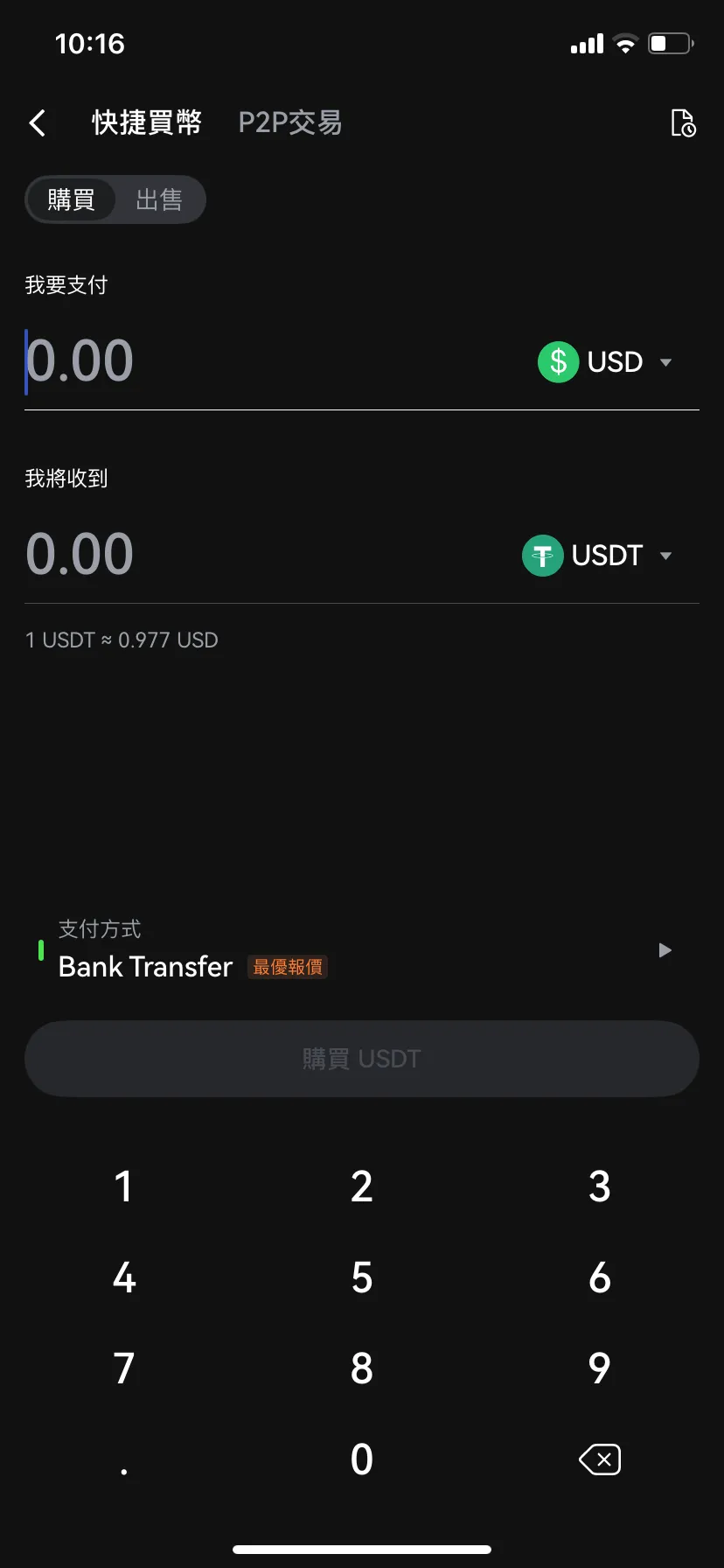
手機應用程式指南

1
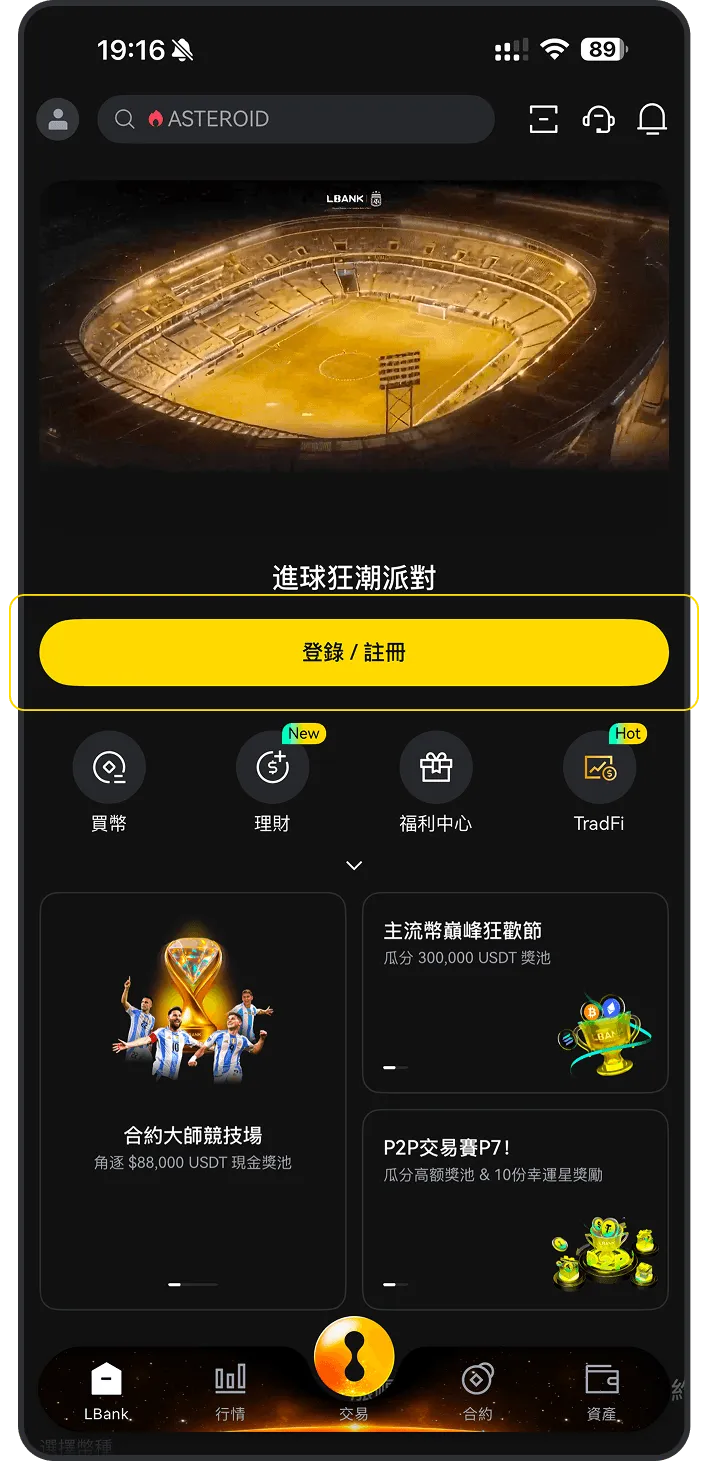
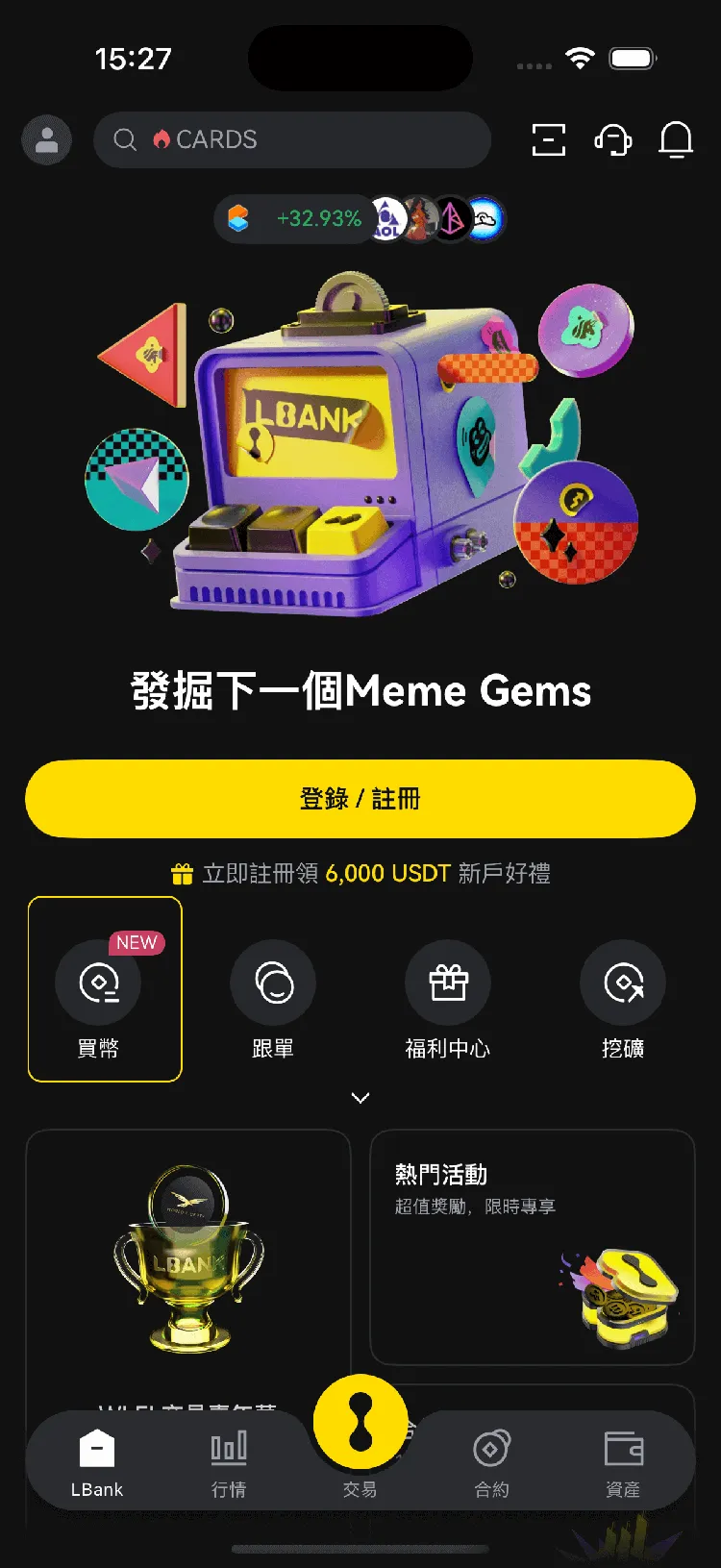
打開 LBank 手機應用程式,然後點擊「買幣」
2
選擇「購買」
3
選擇 ,輸入您要使用的法幣,輸入金額,點擊「買入」或「確認」

桌面版指南

1
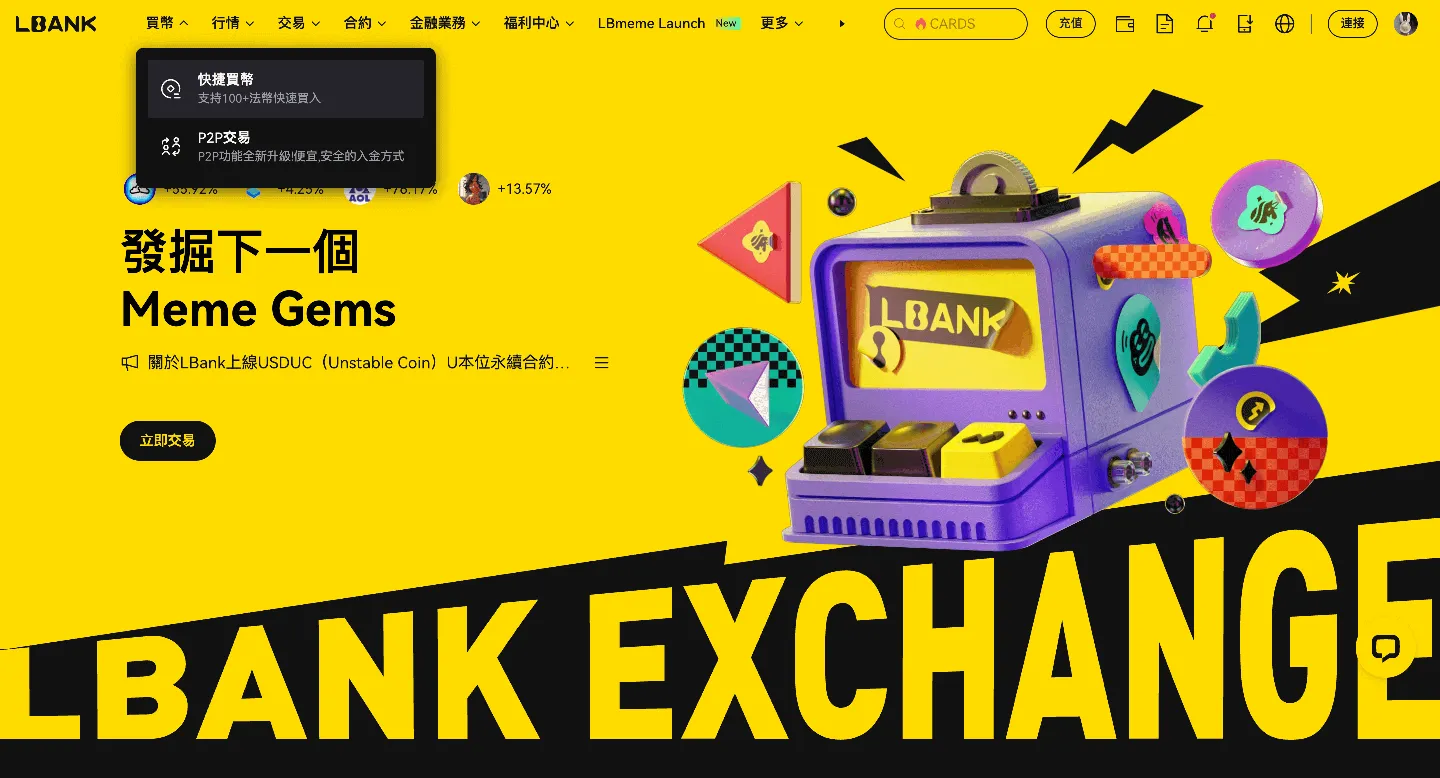
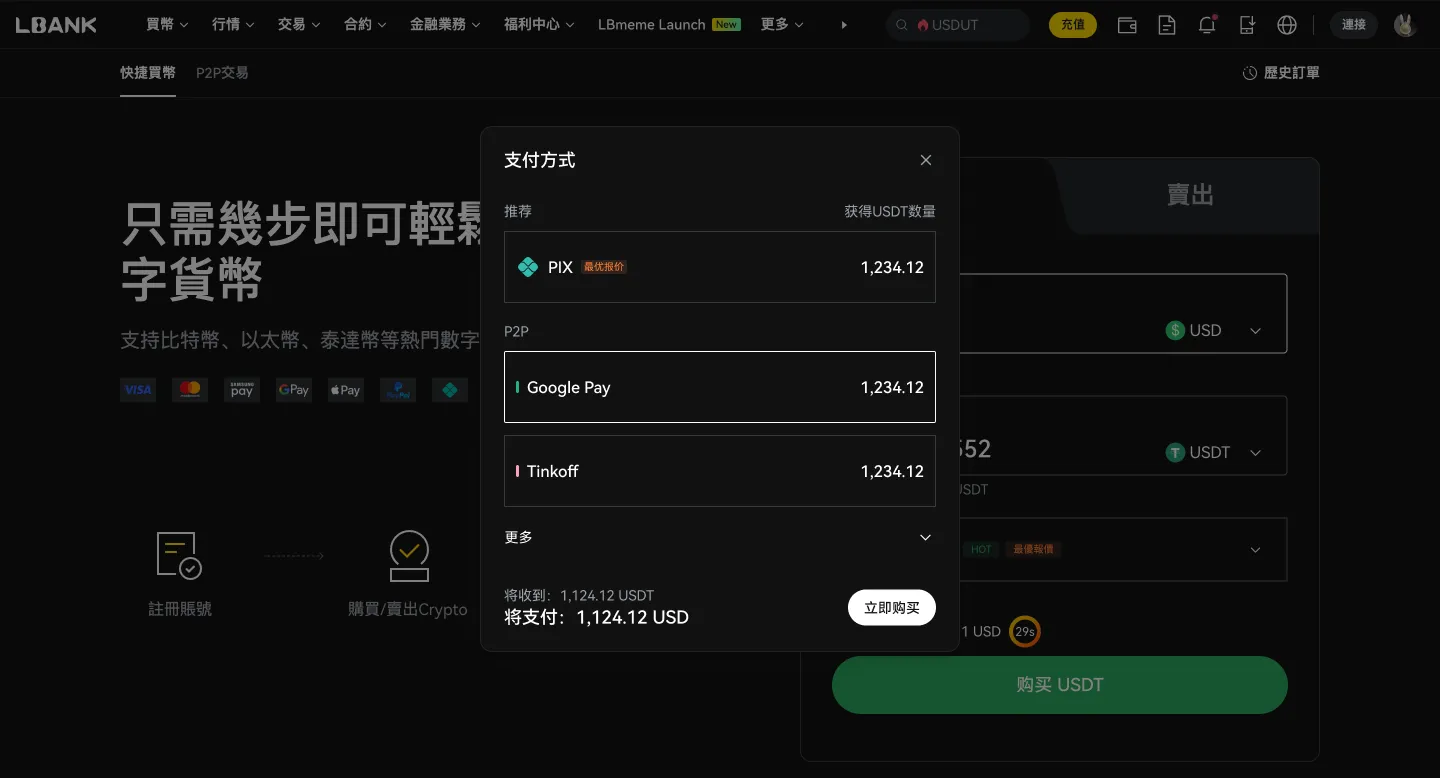
在您的桌面瀏覽器上登入 LBank,然後點擊「快捷買幣」選項。
2
在「快捷買幣」標籤上:

(a). 選擇您要使用的法幣

(b). 選擇要購買的 Olympus

(c). 輸入金額或使用快速選項(例如,100、100、500、最大值)
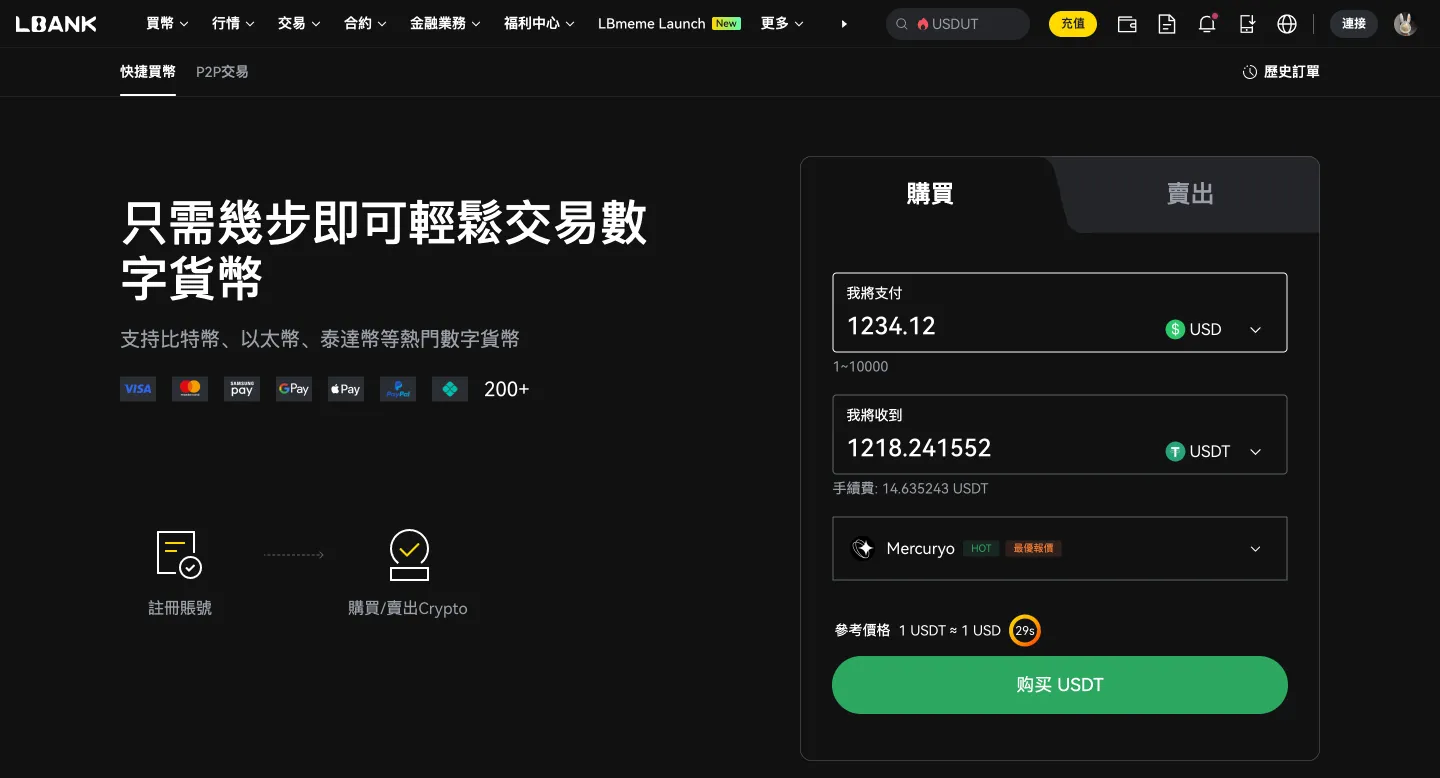
(d). 選擇您的付款方式
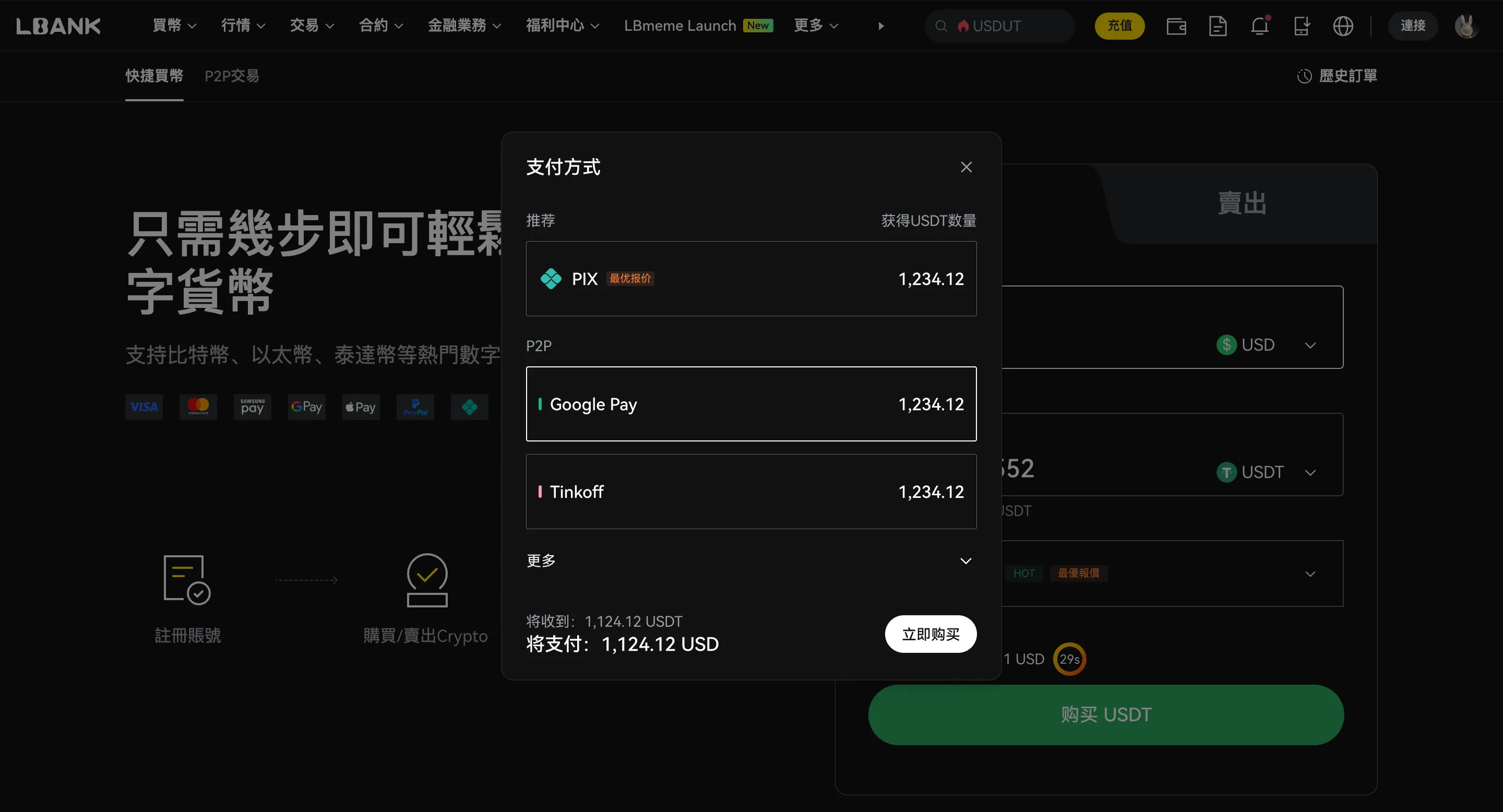
(e). 點擊「確認」或「立即購買」
P2P 交易

商家
單價
數量 | 限額
支付方式
操作
PE
PewPewPow (MYR)
868 min | 100%
0.945 USD
1041.52 USDT
30.000 - 984.236USD
Bank Transfer
US
USER-ZPPA7ULJ
995 min | 100%
1.000 USD
4.00 USDT
1.000 - 4.000USD
Bank Transfer
PA
PAYMENT BY MYR
504 min | 100%
1.000 USD
115.73 USDT
10.000 - 115.730USD
Bank Transfer

什麼是 Olympus (OHM)?

Olympus (OHM) is a decentralized finance (DeFi) protocol launched in March 2021 on the Ethereum network. It aims to establish a decentralized reserve currency, OHM, that is not pegged to fiat currencies but instead is backed by a basket of assets held in the Olympus treasury. This approach seeks to provide a transparent and stable crypto ecosystem, with the goal of OHM functioning as a global unit-of-account and medium-of-exchange currency. Olympus is governed by a decentralized autonomous organization (DAO), allowing OHM holders to participate in decisions regarding the protocol's policy, strategy changes, and other developments. The core mechanisms of Olympus revolve around staking and bonding. Staking OHM allows users, often called "Ohmies," to earn rewards in the form of more OHM tokens. These rewards are distributed from the protocol's revenue generated through bond sales. Staking is considered a passive, long-term strategy where staked OHM auto-compounds over time. Bonding is a mechanism where users can acquire OHM tokens directly from the protocol at a discounted rate by exchanging various assets like stablecoins (such as DAI, FRAX, LUSD) or liquidity provider (LP) tokens. This process helps Olympus DAO to accumulate assets for its treasury, increasing its protocol-owned liquidity. The treasury's growth is crucial as it backs each OHM token, contributing to its intrinsic value and aiming for stability. The protocol also aims to manage the supply of OHM through economic incentives to maintain its value, with each OHM ideally backed by at least one DAI in the treasury. The long-term objective is for OHM to become a decentralized, policy-controlled currency that maintains consistent purchasing power. 瞭解更多

Olympus (OHM) 是否是一個好的投資標的?

Olympus (OHM) 是否是一個好的投資標的取決於您個人的財務狀況和風險承受能力。加密貨幣投資具有投機性,價格可能高度波動。

在投資 Olympus (OHM) 或任何加密貨幣之前,請考慮以下因素:

您的財務目標
您的財務目標
您是尋求短期收益還是長期增長?
您的風險承受能力
您的風險承受能力
您對於損失金錢的可能性有多大的承受度?
多元化
多元化
不要把所有的雞蛋放在同一個籃子裡。將您的投資組合分散到不同的資產類別中。
您的目標和時間範圍
您的目標和時間範圍
加密貨幣最適合長期投資者。免責聲明:這不是財務建議。在做出任何投資決策之前,請進行徹底的研究。

在 LBank 購買 OHM 的手續費、限額與到帳時間

比較不同支付方式下的手續費、交易限額與預計到帳時間。實際費用與可用性可能因地區、法幣、支付方式及第三方服務商不同而變化,請以下單頁顯示為準。

投資報酬率計算

如果我投資,我的利潤是多少?
投入
$
進入
OHM
日期
2026-07-03
您將獲得 -- 美元的利潤,即投資報酬率的 --

您可以用 Olympus (OHM) 做什麼?

投資
購買並持有 Olympus (OHM),期望其價值隨著時間的推移而增加。
投資
交易
在 LBank 上積極交易 Olympus (OHM),從價格波動中獲利。
交易
支付
在接受的地方使用 Olympus (OHM) 支付商品和服務。
支付

為什麼 LBank 是購買 Olympus (OHM) 的最佳平台?

使用者友善的介面
使用者友善的介面
LBank 提供一個簡單直觀的平台,用於購買和出售 Olympus (OHM)。
具競爭力的費用
具競爭力的費用
LBank 為 Olympus (OHM) 提供具競爭力的交易費用。
安全的平台
安全的平台
LBank 採用強大的安全措施來保護您的資金。
多樣的交易對
多樣的交易對
LBank 提供多種 Olympus (OHM) 交易對選擇。
24/7 客戶支援
24/7 客戶支援
LBank 提供客戶支援,以協助您解決任何問題或疑問。
手機應用程式
手機應用程式
使用 LBank 手機應用程式隨時隨地交易 Olympus (OHM)。
高流動性
高流動性
LBank 為 Olympus (OHM) 交易提供出色的流動性,確保您可以輕鬆買賣您的加密貨幣資產。
監管合規
監管合規
LBank 遵守其營運所在司法管轄區的所有監管要求,確保合規和安全的交易環境

買到 OHM 後,怎麼存放更合適?

買到 OHM 後,可以根據使用頻率、持有週期與安全需求,選擇不同的存放方式。如果你需要隨時交易,可先存放在 LBank 帳戶;如果更重視自主管理或長期安全,則可考慮個人錢包或硬體錢包。

存放在 LBank 帳戶

存放在 LBank 帳戶

適合誰
想隨時交易或兌換的用戶
短期持有 BTC 的用戶
特點
買入後可直接使用,操作更方便
適合頻繁交易、轉換或繼續使用平台功能
安全提醒
請開啟 2FA
設定防釣魚碼
僅透過官方入口登入帳戶
轉到個人熱錢包

轉到個人熱錢包

適合誰
希望自己管理資產的用戶
需要日常轉帳或鏈上使用的用戶
特點
使用更靈活,方便日常收發與管理
更適合小額持有與日常使用場景
安全提醒
不要將助記詞或私鑰保存在雲端
不要透過聊天工具、郵件或截圖保存敏感資訊
留意釣魚網站與假錢包 App
轉到硬體錢包

轉到硬體錢包

適合誰
長期持有 BTC 的用戶
更重視安全性的大額持有者
特點
私鑰離線儲存,安全性通常更高
更適合長期存放,不常移動的資產
安全提醒
妥善離線備份助記詞
不要向任何人透露恢復短語
遺失助記詞後,資產可能無法恢復

Olympus (OHM) 常見問題

Olympus (OHM) is a decentralized reserve currency protocol on the Ethereum blockchain. Its main objective is to create a policy-controlled decentralized currency that serves as a global unit-of-account and medium-of-exchange. It aims to be an alternative to stablecoins, which can be affected by inflation, and volatile cryptocurrencies. The project is managed by a Decentralized Autonomous Organization (DAO).
The Olympus protocol uses two main mechanisms: staking and bonding. Staking allows users to earn rebase rewards, which compound their OHM tokens at regular intervals. These rewards come from protocol revenue and adjust based on the staked amount and DAO-set rates, promoting long-term holding. Bonding involves users acquiring OHM at a discounted rate by exchanging assets like stablecoins or other crypto assets with the protocol. These OHM tokens vest over a period, allowing Olympus to accumulate treasury assets that back the issued OHM.
No, OHM is not a stablecoin; it's considered a "decentralized reserve currency." Unlike stablecoins pegged to fiat, OHM is backed by a basket of diverse assets held in the Olympus treasury. This treasury can contain stablecoins, other crypto assets, and liquidity provider shares. This backing is intended to ensure a minimum intrinsic value, but OHM's market value is designed to float freely, not maintain a fixed peg. The specific assets in the treasury are subject to change through governance decisions.
Protocol-Owned Liquidity (POL) is a concept pioneered by Olympus where the protocol directly acquires and owns the liquidity for its tokens. This contrasts with traditional models that rely on external liquidity providers. By owning its liquidity, Olympus aims to ensure consistent availability for OHM and enhance market stability, as it doesn't depend on external parties during market fluctuations. Furthermore, the protocol's treasury benefits from a significant portion of the transaction fees generated from this owned liquidity, contributing to its overall revenue.
The (3,3) meme, popularized by Olympus, illustrates a game theory concept promoting cooperative behavior among users within the protocol. It suggests that the most advantageous outcome for both individual token holders and the protocol itself occurs when all participants choose to stake their OHM (symbolized as +3 for staking). This is presented as more beneficial than bonding (+1) or selling (-1). The meme became a widely recognized shorthand in the Web3 community to signify a collective commitment and belief in a protocol's long-term success.
Olympus offered exceptionally high Annual Percentage Yields (APYs) to encourage users to stake OHM and support long-term participation. These significant rewards aimed to bootstrap adoption and foster a committed user base. Despite attracting considerable attention, these high APYs also led to concerns and accusations, with some critics suggesting the model resembled a Ponzi scheme. They argued that the substantial yields might depend on a constant inflow of new capital to reward earlier participants, questioning the long-term sustainability without continuous growth.

如何購買其他加密貨幣資產