首頁買幣指南購買ION
在 法国 購買 ION
Ion (ION)

在 法国 購買 Ion (ION)

了解如何在 LBank 購買Ion (ION),內容涵蓋信用卡、簽帳金融卡、Apple Pay 與銀行轉帳等支付方式,以及購買流程、準備事項與常見問題。

第一步
下載LBank App
請下載LBank App 並註冊以開始使用
第二步
為您的帳戶充值
使用您首選的付款方式進行存款。
第三步
選擇您的數字貨幣
從LBank交易所或錢包上提供的 3,000,000+ 數字貨幣中選擇您想購買的貨幣。

購買決策資訊速覽表

信用卡 / 簽帳卡

信用卡 / 簽帳卡

手續費
動態費率
處理時間
通常 1 分鐘內,最長 48 小時
最低購買金額
約 10-15 USD 起
適用地區
視地區、法幣、發卡行及支付通道支援情況而定
銀行轉帳 / 本地轉帳

銀行轉帳 / 本地轉帳

手續費
動態費率
處理時間
視支付方式而定,部分本地通道可更快
最低購買金額
約1-10 USD起
適用地區
視當地支付通道而定

在 LBank 購買 ION 的三個簡單步驟

註冊 LBank 帳戶

如何在 LBank 購買 ION:支援的付款方式一覽

了解在 LBank 購買 ION 可使用的付款方式,包括信用卡、簽帳金融卡、銀行轉帳、Apple Pay、Google Pay、PayPal 與 P2P,幫助您快速選擇適合的 ION 購買方式。

信用卡 / 簽帳卡
信用卡 / 簽帳卡
處理時間: 通常 1 分鐘內,最長 48 小時
使用支援國際線上交易的 Visa / Mastercard,確認已開通 3D Secure;失敗後可更換銀行卡或稍後重試
常見失敗原因: 發卡行拒絕加密貨幣交易、餘額不足、3D Secure 驗證失敗、風控攔截、地區或卡組織不支援
銀行轉帳 / 本地轉帳
銀行轉帳 / 本地轉帳
處理時間: 即時至 1-3 個工作日
核對收款帳戶、參考碼和轉帳網路,並使用與實名認證一致的銀行帳戶付款
常見失敗原因: 收款資訊或參考碼錯誤、姓名不一致、銀行處理延遲、轉帳網路不支援

在 LBank 購買Ion (ION)前需要完成哪些準備?

查看在 LBank 購買 Ion (ION) 前需要完成的準備事項,包括註冊帳戶、身份驗證 (KYC)、付款方式、地區可用性與購買前注意事項,幫助您更順利完成 BTC 購買流程。

適合誰
想直接用法幣快速購買 ION 的用戶
買前準備清單
註冊並登入帳戶
完成所需 KYC
準備支付方式
確認地區可用,查看限額/手續費/到帳時間
用戶路徑
Buy Crypto

如何在 LBank 上購買Ion - 逐步指南

在開始之前,請決定您要如何付款:

用法幣支付

如果您是加密貨幣新手,使用法幣(如美元、歐元等)是購買 Ion 最簡單的方式。LBank 接受各種付款方式,包括簽帳金融卡、信用卡、銀行轉帳,以及可能提供的其他當地付款選項。您可能需要在購買前為您的 LBank 帳戶充值。

用其他加密貨幣支付

如果您已經持有其他加密貨幣,您可以在 LBank 上將它們交易為 Ion。請確認 LBank 支援您需要的交易對(例如,Bitcoin (BTC)。LBank 提供多種交易對,讓您可以方便地將現有的加密貨幣兌換為 Ion 。

LBank 支援多種付款方式

您可以使用以下各種付款方式在 LBank 上購買 Ion:

簽帳金融卡
信用卡
PayPal
Apple Pay
Google Pay

手機應用程式指南

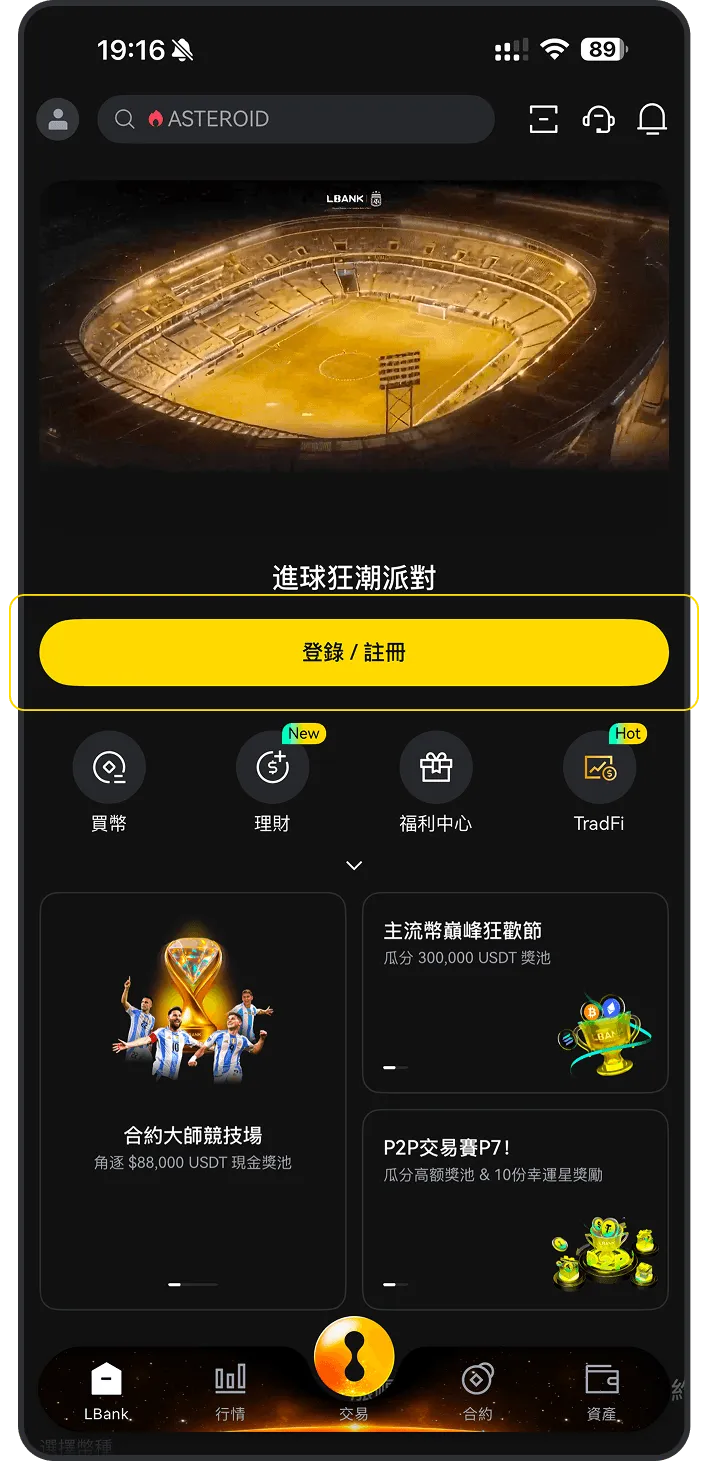
1
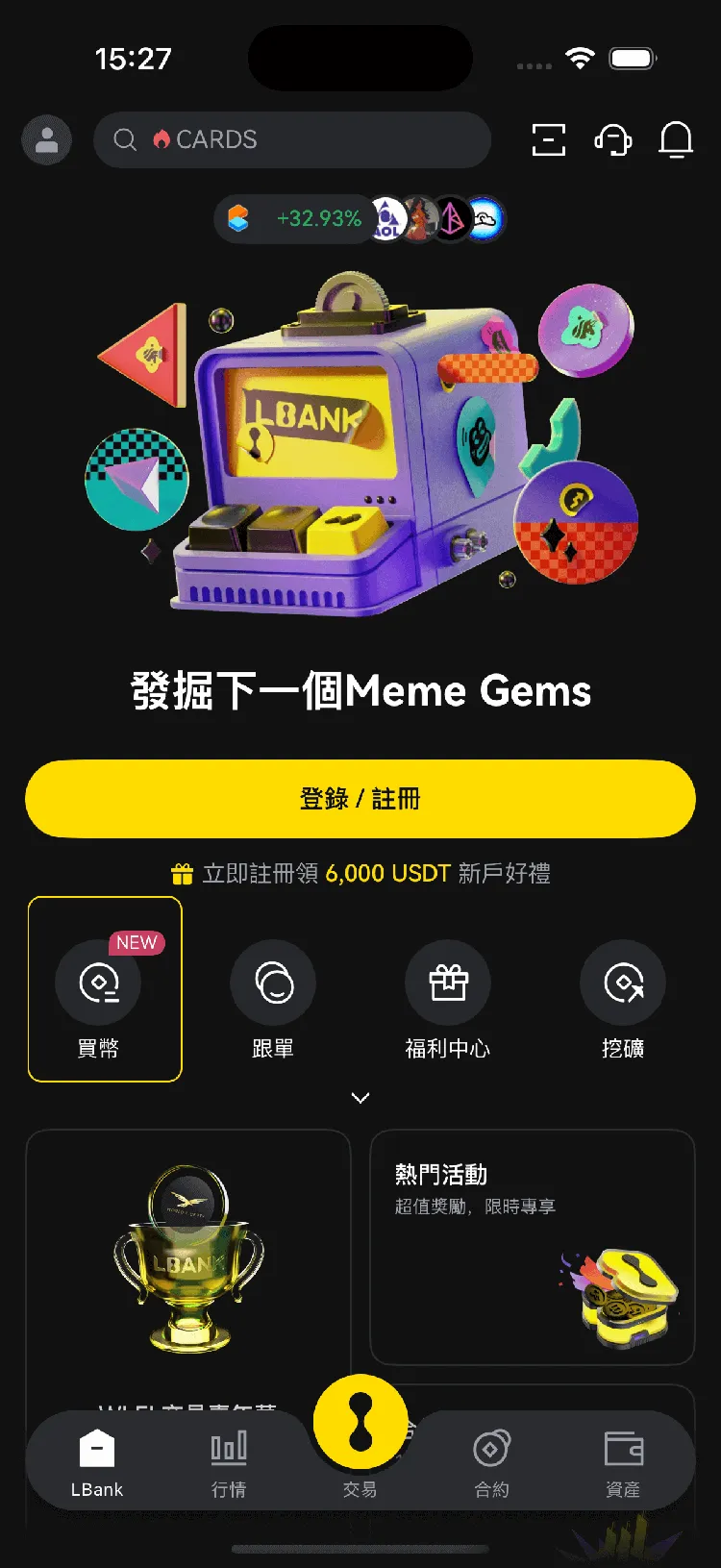
打開 LBank 手機應用程式,然後點擊「買幣」
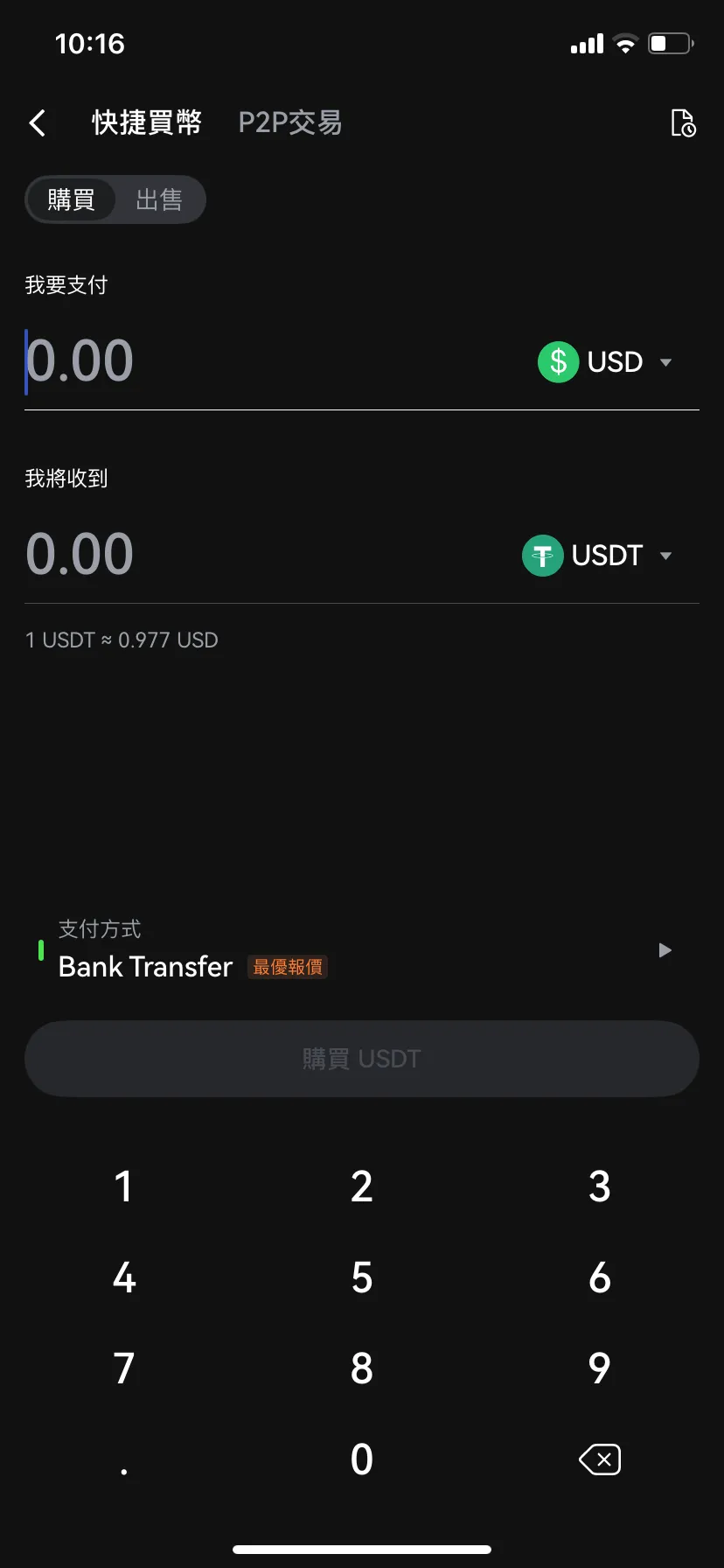
2
選擇「購買」
3
選擇 ,輸入您要使用的法幣,輸入金額,點擊「買入」或「確認」

桌面版指南

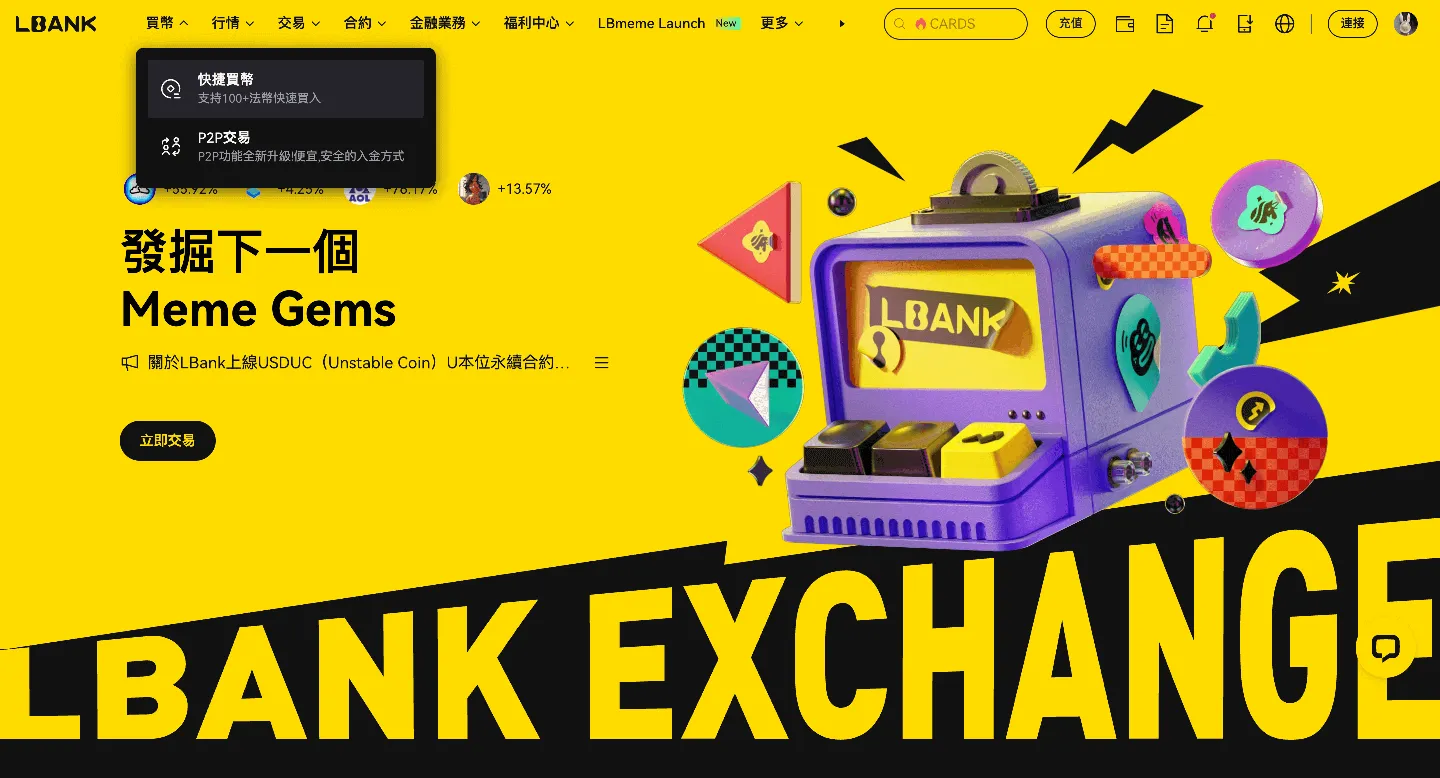
1
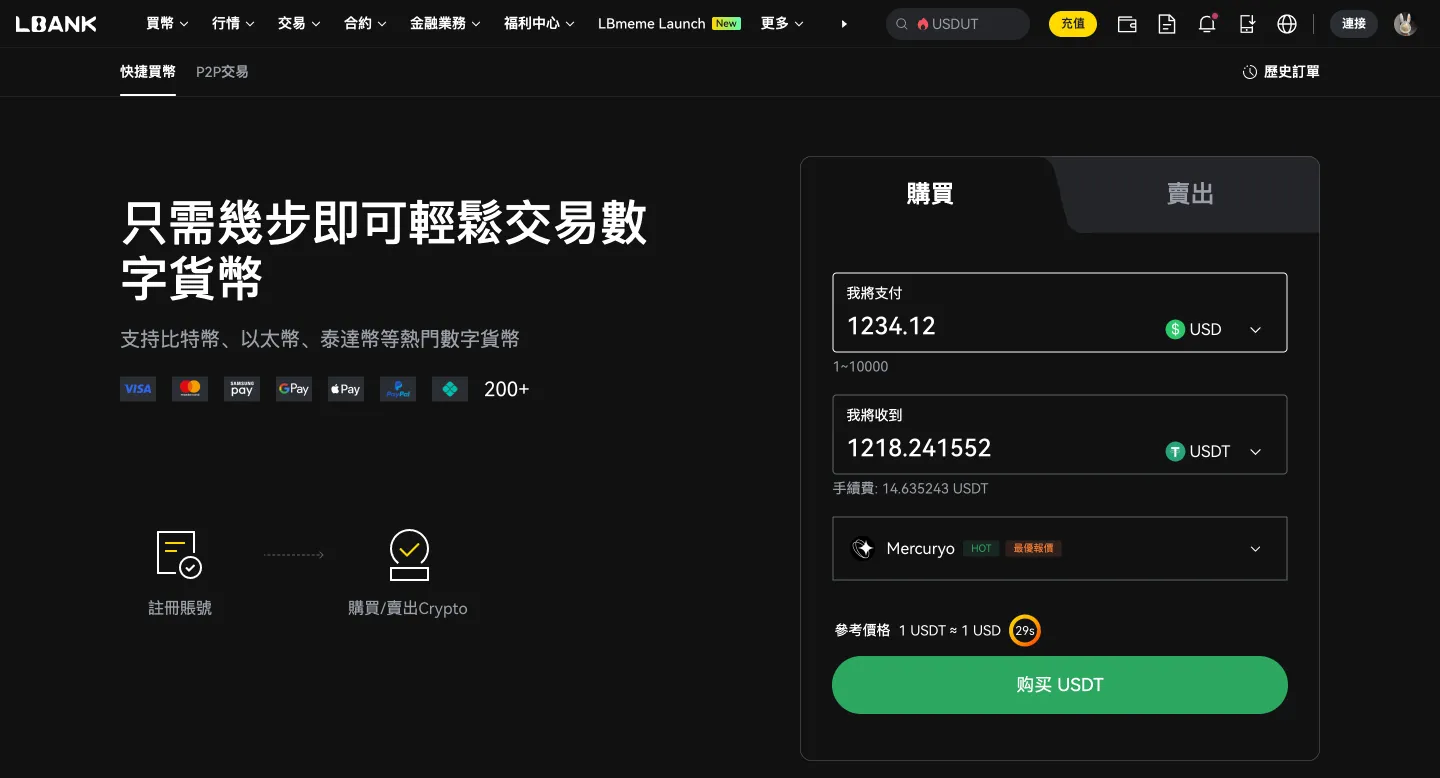
在您的桌面瀏覽器上登入 LBank,然後點擊「快捷買幣」選項。
2
在「快捷買幣」標籤上:

(a). 選擇您要使用的法幣

(b). 選擇要購買的 Ion

(c). 輸入金額或使用快速選項(例如,100、100、500、最大值)

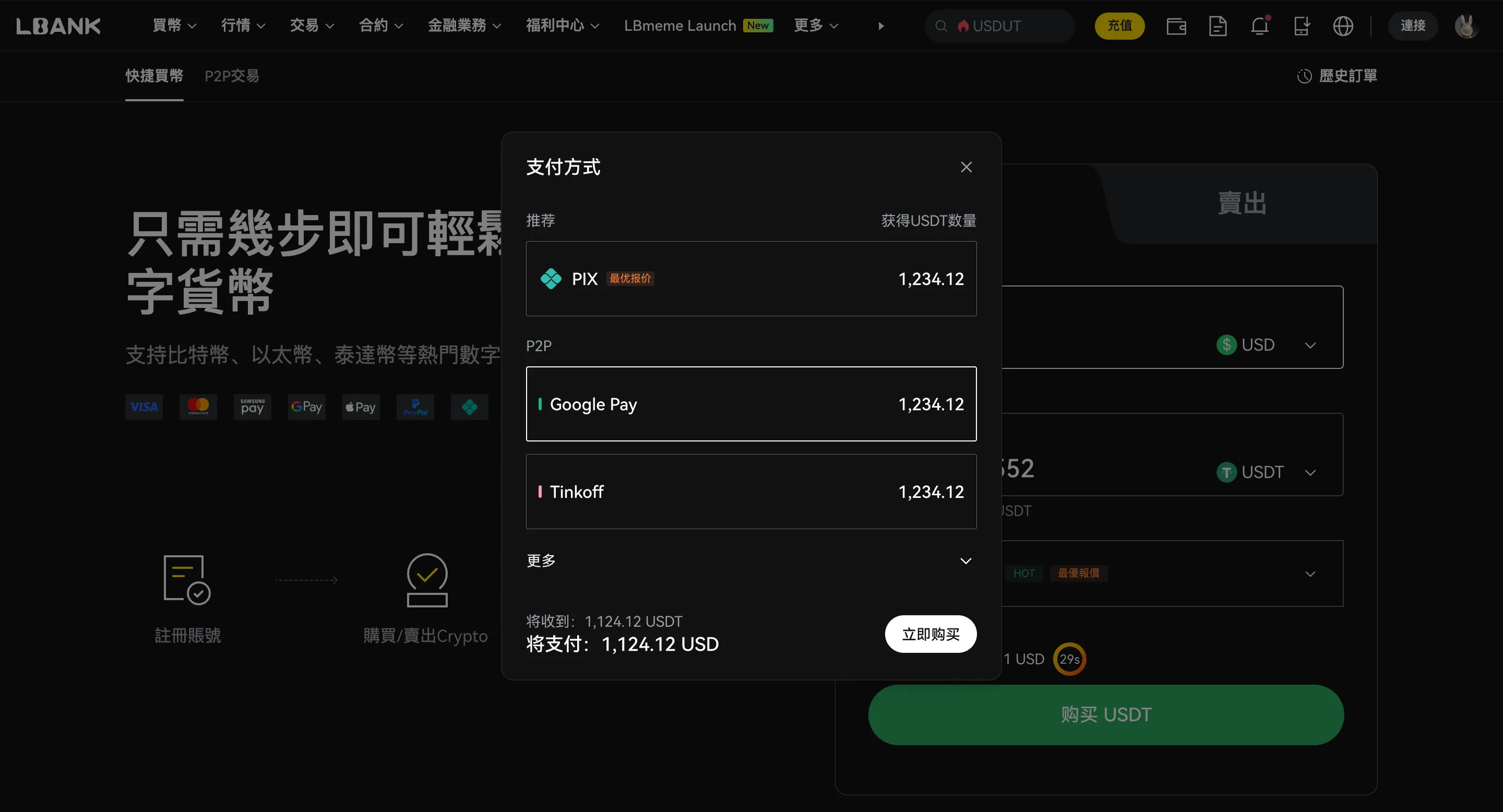
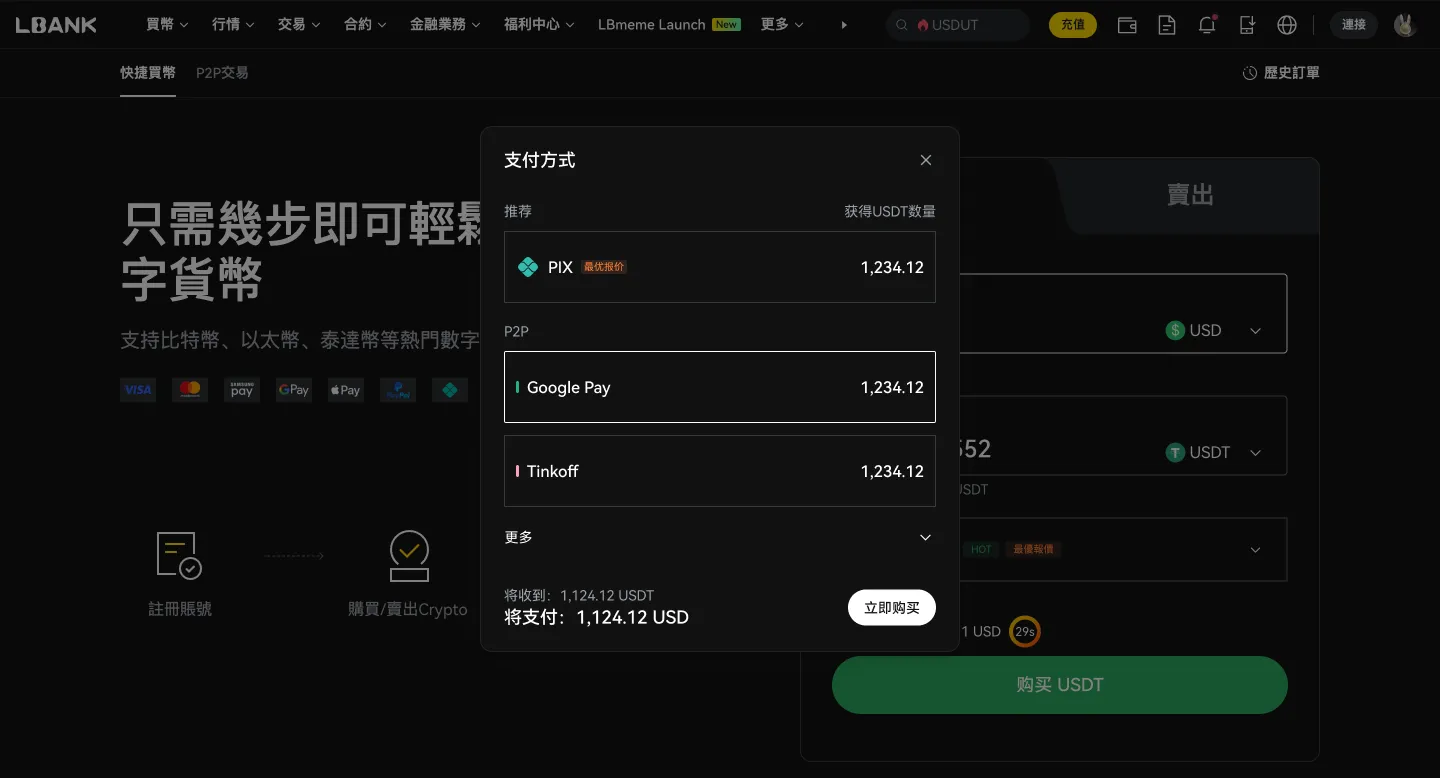
(d). 選擇您的付款方式

(e). 點擊「確認」或「立即購買」

P2P 交易

商家
單價
數量 | 限額
支付方式
操作
ET
ETZ_Trader
639 min | 100%
0.927 USD
7293.07 USDT
200.000 - 6600.000USD
Bank Transfer
AM
AMG_Trading
1174 min | 100%
0.936 USD
9900.00 USDT
93.600 - 9266.400USD
Bank Transfer
PE
PewPewPow (MYR)
1054 min | 100%
0.945 USD
1041.52 USDT
30.000 - 984.236USD
Bank Transfer

什麼是 Ion (ION)?

The Ion (ION) project is a decentralized initiative within the Web3 space, primarily recognized as the secondary native asset of the Osmosis decentralized exchange. It operates within the Cosmos ecosystem, a network of independent, parallel blockchains that communicate through the Inter-Blockchain Communication protocol. The origin of the token is unique in the crypto space. It was distributed through a genesis airdrop at the launch of the Osmosis platform to individuals who met specific governance and staking criteria within the Cosmos Hub. Initially launched without a defined utility or roadmap, it was described as an experiment in decentralized distribution and community ownership. Since its launch, the project has transitioned into a community-led endeavor governed by the ION DAO. This decentralized autonomous organization is composed of token holders who propose and vote on the future direction, utility, and development of the ecosystem. The DAO manages a treasury and explores various use cases to integrate the token more deeply into the decentralized finance landscape. Key features and utilities associated with the project include: 1. Governance: Holders of the token have the primary responsibility of guiding the ION DAO. This includes voting on protocol upgrades, treasury management, and potential partnerships. 2. Ecosystem Integration: There are ongoing efforts to integrate the token into broader financial products. One notable example is its role in decentralized index tokens, such as IBCX, which track the performance of various assets across the interchain. 3. Scarcity and Community Focus: Unlike many other assets, the project emphasizes a low-supply, community-centric model. It is often viewed as a premium asset within the Osmosis ecosystem, meant to represent the long-term commitment of its most active participants. In addition to its role on Osmosis, the name is also associated with broader Web3 infrastructure projects, such as the Ice Open Network (ION), which focuses on high-performance blockchain solutions and decentralized identity. However, in the context of a specific token identified by the ION ticker, the project remains a significant pillar of the Cosmos interchain community, representing a shift from a experimental meme-style distribution to a structured, DAO-governed utility asset. 瞭解更多

Ion (ION) 是否是一個好的投資標的?

Ion (ION) 是否是一個好的投資標的取決於您個人的財務狀況和風險承受能力。加密貨幣投資具有投機性,價格可能高度波動。

在投資 Ion (ION) 或任何加密貨幣之前,請考慮以下因素:

您的財務目標
您的財務目標
您是尋求短期收益還是長期增長?
您的風險承受能力
您的風險承受能力
您對於損失金錢的可能性有多大的承受度?
多元化
多元化
不要把所有的雞蛋放在同一個籃子裡。將您的投資組合分散到不同的資產類別中。
您的目標和時間範圍
您的目標和時間範圍
加密貨幣最適合長期投資者。免責聲明:這不是財務建議。在做出任何投資決策之前,請進行徹底的研究。

在 LBank 購買 ION 的手續費、限額與到帳時間

比較不同支付方式下的手續費、交易限額與預計到帳時間。實際費用與可用性可能因地區、法幣、支付方式及第三方服務商不同而變化,請以下單頁顯示為準。

投資報酬率計算

如果我投資,我的利潤是多少?
投入
$
進入
ION
日期
2026-07-03
您將獲得 -- 美元的利潤,即投資報酬率的 --

您可以用 Ion (ION) 做什麼?

投資
購買並持有 Ion (ION),期望其價值隨著時間的推移而增加。
投資
交易
在 LBank 上積極交易 Ion (ION),從價格波動中獲利。
交易
支付
在接受的地方使用 Ion (ION) 支付商品和服務。
支付

為什麼 LBank 是購買 Ion (ION) 的最佳平台?

使用者友善的介面
使用者友善的介面
LBank 提供一個簡單直觀的平台,用於購買和出售 Ion (ION)。
具競爭力的費用
具競爭力的費用
LBank 為 Ion (ION) 提供具競爭力的交易費用。
安全的平台
安全的平台
LBank 採用強大的安全措施來保護您的資金。
多樣的交易對
多樣的交易對
LBank 提供多種 Ion (ION) 交易對選擇。
24/7 客戶支援
24/7 客戶支援
LBank 提供客戶支援,以協助您解決任何問題或疑問。
手機應用程式
手機應用程式
使用 LBank 手機應用程式隨時隨地交易 Ion (ION)。
高流動性
高流動性
LBank 為 Ion (ION) 交易提供出色的流動性,確保您可以輕鬆買賣您的加密貨幣資產。
監管合規
監管合規
LBank 遵守其營運所在司法管轄區的所有監管要求,確保合規和安全的交易環境

買到 ION 後,怎麼存放更合適?

買到 ION 後,可以根據使用頻率、持有週期與安全需求,選擇不同的存放方式。如果你需要隨時交易,可先存放在 LBank 帳戶;如果更重視自主管理或長期安全,則可考慮個人錢包或硬體錢包。

存放在 LBank 帳戶

存放在 LBank 帳戶

適合誰
想隨時交易或兌換的用戶
短期持有 BTC 的用戶
特點
買入後可直接使用,操作更方便
適合頻繁交易、轉換或繼續使用平台功能
安全提醒
請開啟 2FA
設定防釣魚碼
僅透過官方入口登入帳戶
轉到個人熱錢包

轉到個人熱錢包

適合誰
希望自己管理資產的用戶
需要日常轉帳或鏈上使用的用戶
特點
使用更靈活,方便日常收發與管理
更適合小額持有與日常使用場景
安全提醒
不要將助記詞或私鑰保存在雲端
不要透過聊天工具、郵件或截圖保存敏感資訊
留意釣魚網站與假錢包 App
轉到硬體錢包

轉到硬體錢包

適合誰
長期持有 BTC 的用戶
更重視安全性的大額持有者
特點
私鑰離線儲存,安全性通常更高
更適合長期存放,不常移動的資產
安全提醒
妥善離線備份助記詞
不要向任何人透露恢復短語
遺失助記詞後,資產可能無法恢復

Ion (ION) 常見問題

The Ice Open Network (ION) transitioned from its previous iteration, ICE, to a high-performance Layer 1 mainnet. This migration allows users to swap their legacy tokens for the new native ION utility tokens. The process typically involves using compatible ecosystem wallets, such as Online+, to bridge assets to the new infrastructure. This transition marks the project's shift toward a "user-owned internet" focus, moving away from being a token on a third-party chain to a standalone blockchain capable of supporting complex decentralized applications.
ION employs a deflationary mechanism designed to manage token supply through active ecosystem participation. A portion of the fees generated from various network activities—including creator tips, post-boosts, and advertising revenue within its social dApps—is permanently "burned." By removing these tokens from circulation, the protocol balances the issuance of new tokens with real-world utility and demand. This model aims to align the interests of creators, advertisers, and network participants by ensuring the ecosystem remains sustainable as usage of the ION Framework grows.
The veION model is a governance and yield-enhancement mechanism used within the Ionic Protocol, a multichain lending market. By locking their ION tokens for a specified duration, users receive veION (vote-escrowed ION). Holders of veION gain voting power to influence the distribution of token emissions across various lending pools. This allows participants to direct incentives toward specific assets, effectively boosting the yield for those markets. It encourages long-term commitment to the protocol and decentralizes decision-making regarding liquidity rewards.
Originally distributed as a scarce asset with a limited supply, ION is the secondary native token of its respective decentralized exchange ecosystem. While it initially launched without direct utility, the ION DAO was established to transform it into a functional asset. The community focuses on evolving ION into an index token for the broader interchain landscape, such as through the $IBCX initiative. This gives the token a role in governance and potentially as a basket of assets, leveraging its extreme scarcity to serve as a specialized primitive within the Cosmos-based DeFi environment.
The ION Framework is designed to lower the barrier to entry for Web3 development by offering a "No-Code" dApp builder. This tool allows entrepreneurs and creators to build and deploy decentralized applications on the Ice Open Network without requiring advanced programming or blockchain-specific coding skills. By providing modular components and intuitive interfaces, the project aims to accelerate the growth of a user-owned internet, enabling anyone to launch social platforms, marketplaces, or utility dApps while maintaining native integration with ION’s high-performance Layer 1 infrastructure.
Because multiple distinct projects use the ticker "ION," it is crucial for users to verify the official contract addresses and network details for their specific project of interest. Whether dealing with the Ice Open Network (Layer 1), Ionic Protocol (DeFi lending), or the Osmosis-based ION, users should always cross-reference information through official project documentation and reputable exchange listings like LBank. Verifying the correct blockchain—such as the ION Mainnet, Base, or Osmosis—helps prevent "honeypot" scams on unintended chains and ensures that participants are interacting with the legitimate ecosystem.

如何購買其他加密貨幣資產