首頁買幣指南購買BAL
在 法国 購買 BAL
Balancer (BAL)

在 法国 購買 Balancer (BAL)

了解如何在 LBank 購買Balancer (BAL),內容涵蓋信用卡、簽帳金融卡、Apple Pay 與銀行轉帳等支付方式,以及購買流程、準備事項與常見問題。

第一步
下載LBank App
請下載LBank App 並註冊以開始使用
第二步
為您的帳戶充值
使用您首選的付款方式進行存款。
第三步
選擇您的數字貨幣
從LBank交易所或錢包上提供的 3,000,000+ 數字貨幣中選擇您想購買的貨幣。

購買決策資訊速覽表

信用卡 / 簽帳卡

信用卡 / 簽帳卡

手續費
動態費率
處理時間
通常 1 分鐘內,最長 48 小時
最低購買金額
約 10-15 USD 起
適用地區
視地區、法幣、發卡行及支付通道支援情況而定
銀行轉帳 / 本地轉帳

銀行轉帳 / 本地轉帳

手續費
動態費率
處理時間
視支付方式而定,部分本地通道可更快
最低購買金額
約1-10 USD起
適用地區
視當地支付通道而定

在 LBank 購買 BAL 的三個簡單步驟

註冊 LBank 帳戶

如何在 LBank 購買 BAL:支援的付款方式一覽

了解在 LBank 購買 BAL 可使用的付款方式,包括信用卡、簽帳金融卡、銀行轉帳、Apple Pay、Google Pay、PayPal 與 P2P,幫助您快速選擇適合的 BAL 購買方式。

信用卡 / 簽帳卡
信用卡 / 簽帳卡
處理時間: 通常 1 分鐘內,最長 48 小時
使用支援國際線上交易的 Visa / Mastercard,確認已開通 3D Secure;失敗後可更換銀行卡或稍後重試
常見失敗原因: 發卡行拒絕加密貨幣交易、餘額不足、3D Secure 驗證失敗、風控攔截、地區或卡組織不支援
銀行轉帳 / 本地轉帳
銀行轉帳 / 本地轉帳
處理時間: 即時至 1-3 個工作日
核對收款帳戶、參考碼和轉帳網路,並使用與實名認證一致的銀行帳戶付款
常見失敗原因: 收款資訊或參考碼錯誤、姓名不一致、銀行處理延遲、轉帳網路不支援

在 LBank 購買Balancer (BAL)前需要完成哪些準備?

查看在 LBank 購買 Balancer (BAL) 前需要完成的準備事項,包括註冊帳戶、身份驗證 (KYC)、付款方式、地區可用性與購買前注意事項,幫助您更順利完成 BTC 購買流程。

適合誰
想直接用法幣快速購買 BAL 的用戶
買前準備清單
註冊並登入帳戶
完成所需 KYC
準備支付方式
確認地區可用,查看限額/手續費/到帳時間
用戶路徑
Buy Crypto

如何在 LBank 上購買Balancer - 逐步指南

在開始之前,請決定您要如何付款:

用法幣支付

如果您是加密貨幣新手,使用法幣(如美元、歐元等)是購買 Balancer 最簡單的方式。LBank 接受各種付款方式,包括簽帳金融卡、信用卡、銀行轉帳,以及可能提供的其他當地付款選項。您可能需要在購買前為您的 LBank 帳戶充值。

用其他加密貨幣支付

如果您已經持有其他加密貨幣,您可以在 LBank 上將它們交易為 Balancer。請確認 LBank 支援您需要的交易對(例如,Bitcoin (BTC)。LBank 提供多種交易對,讓您可以方便地將現有的加密貨幣兌換為 Balancer 。

LBank 支援多種付款方式

您可以使用以下各種付款方式在 LBank 上購買 Balancer:
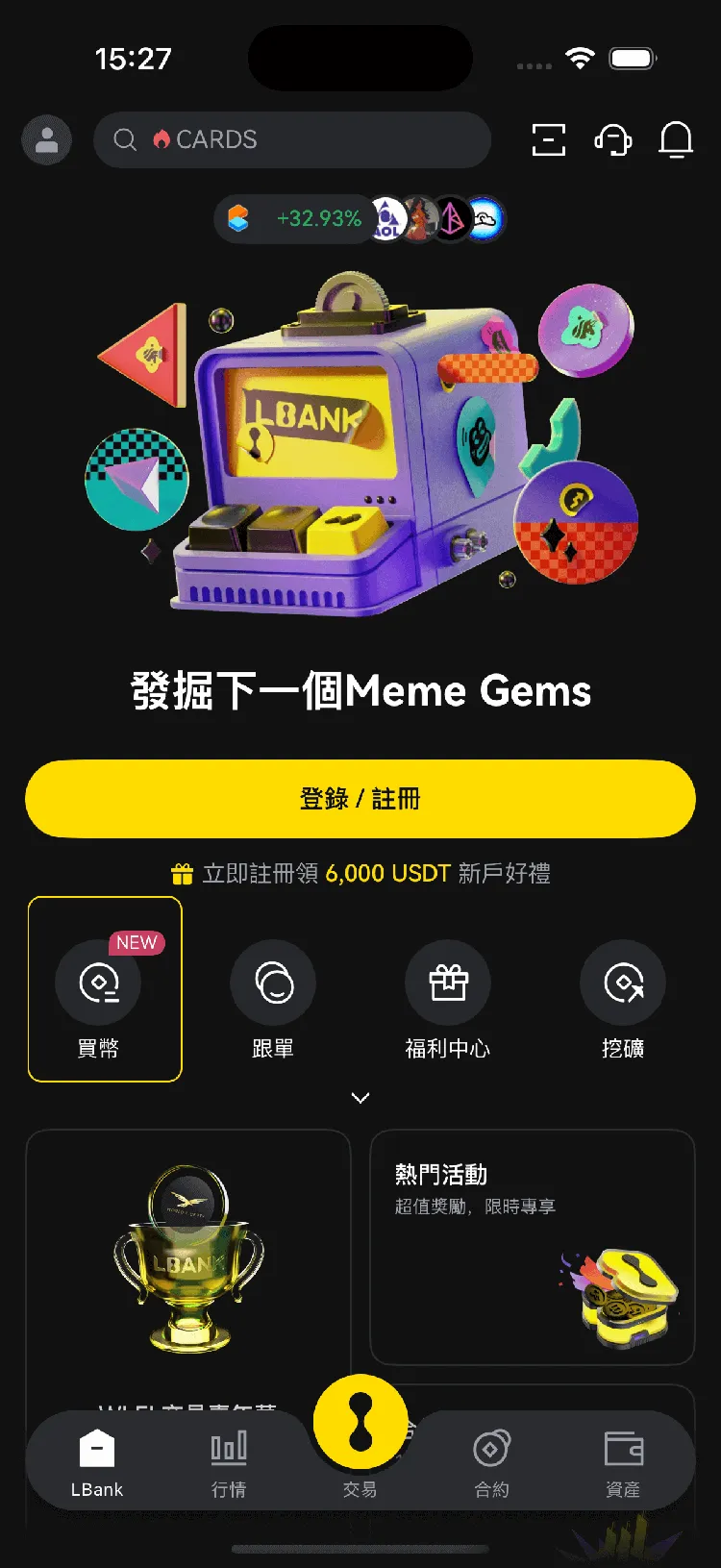
簽帳金融卡
信用卡
PayPal
Apple Pay
Google Pay

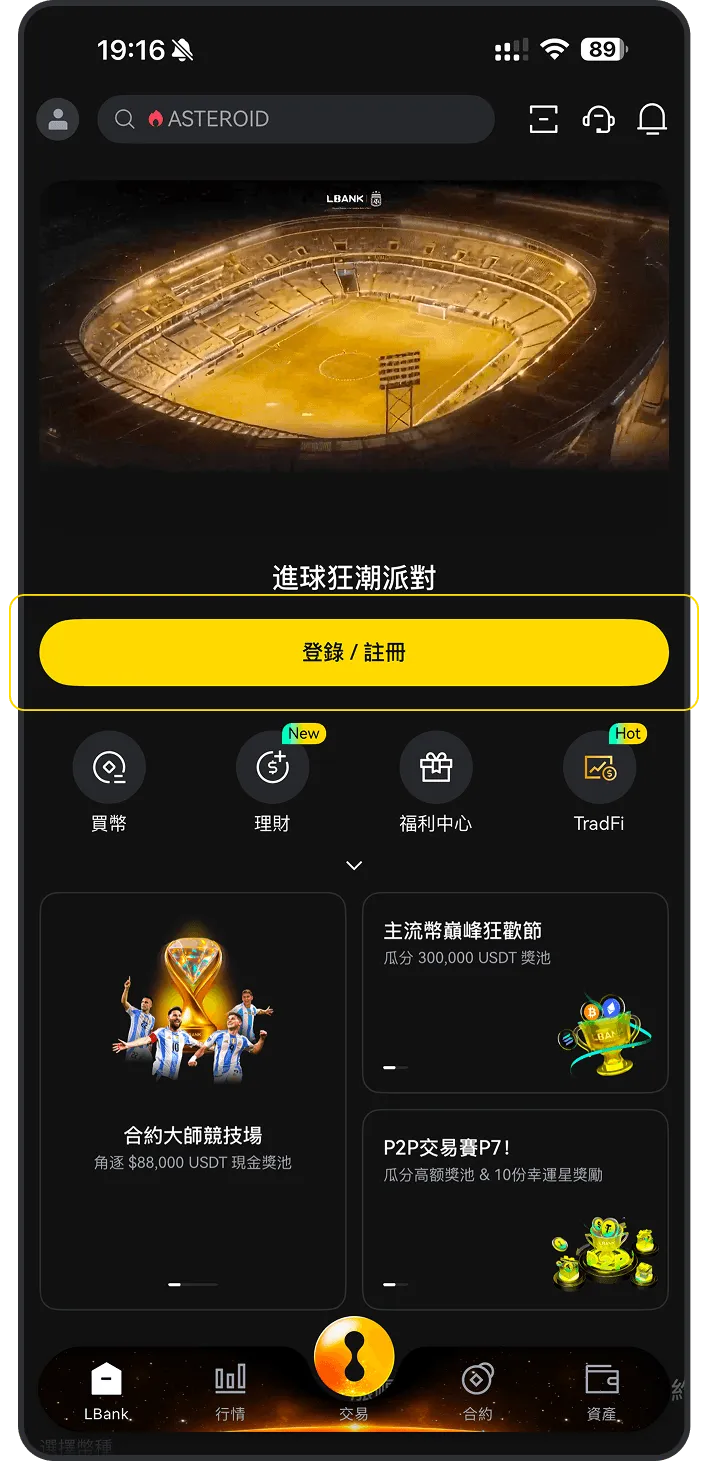
手機應用程式指南

1
打開 LBank 手機應用程式,然後點擊「買幣」
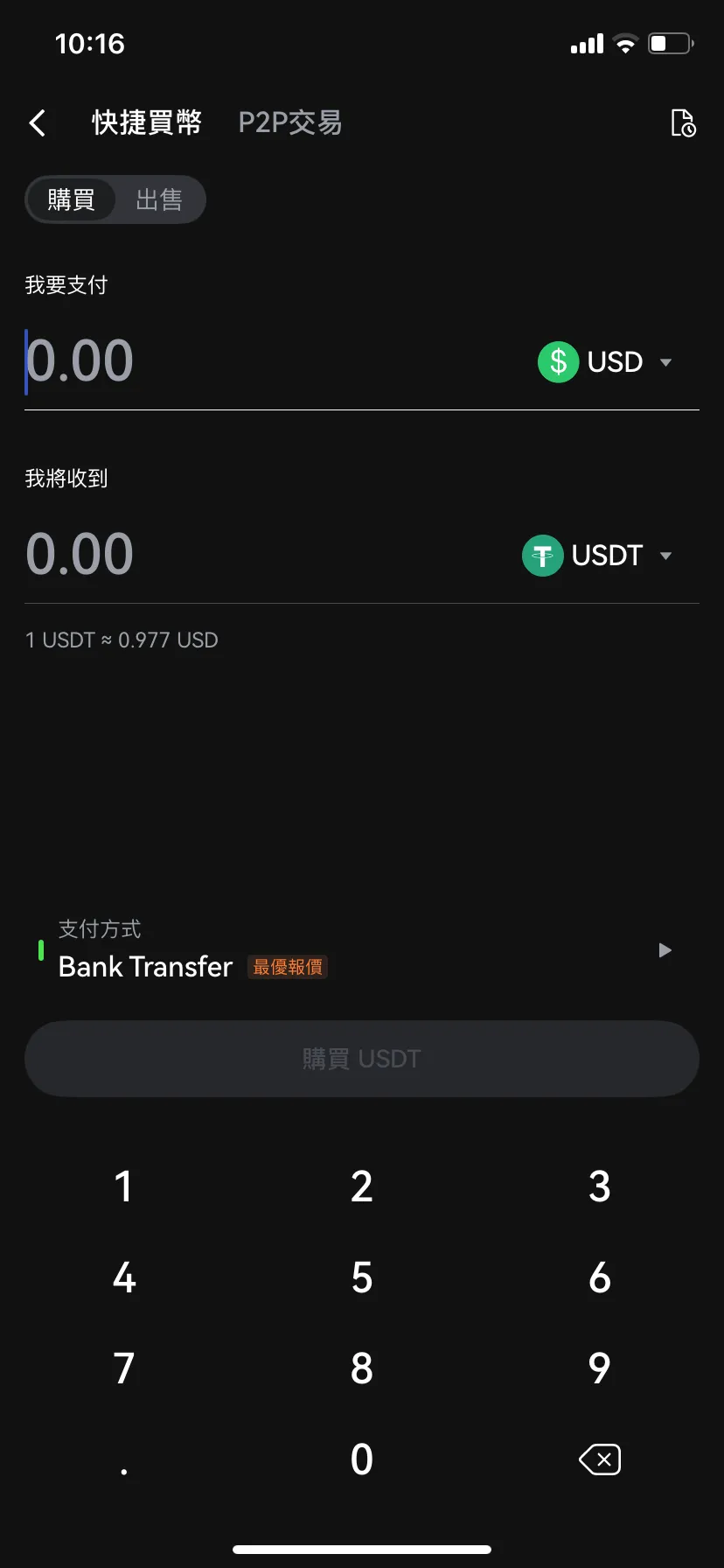
2
選擇「購買」
3
選擇 ,輸入您要使用的法幣,輸入金額,點擊「買入」或「確認」

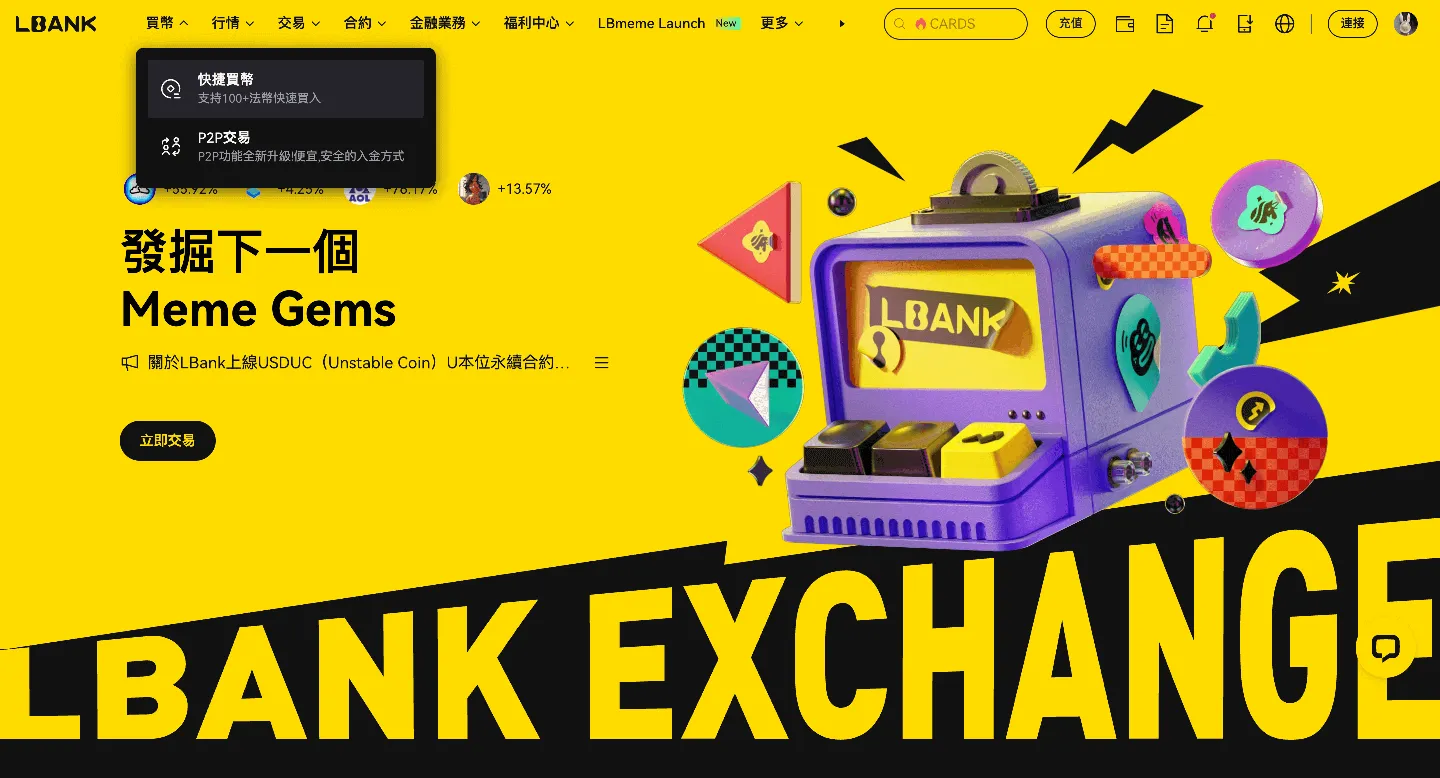
桌面版指南

1
在您的桌面瀏覽器上登入 LBank,然後點擊「快捷買幣」選項。
2
在「快捷買幣」標籤上:

(a). 選擇您要使用的法幣

(b). 選擇要購買的 Balancer

(c). 輸入金額或使用快速選項(例如,100、100、500、最大值)
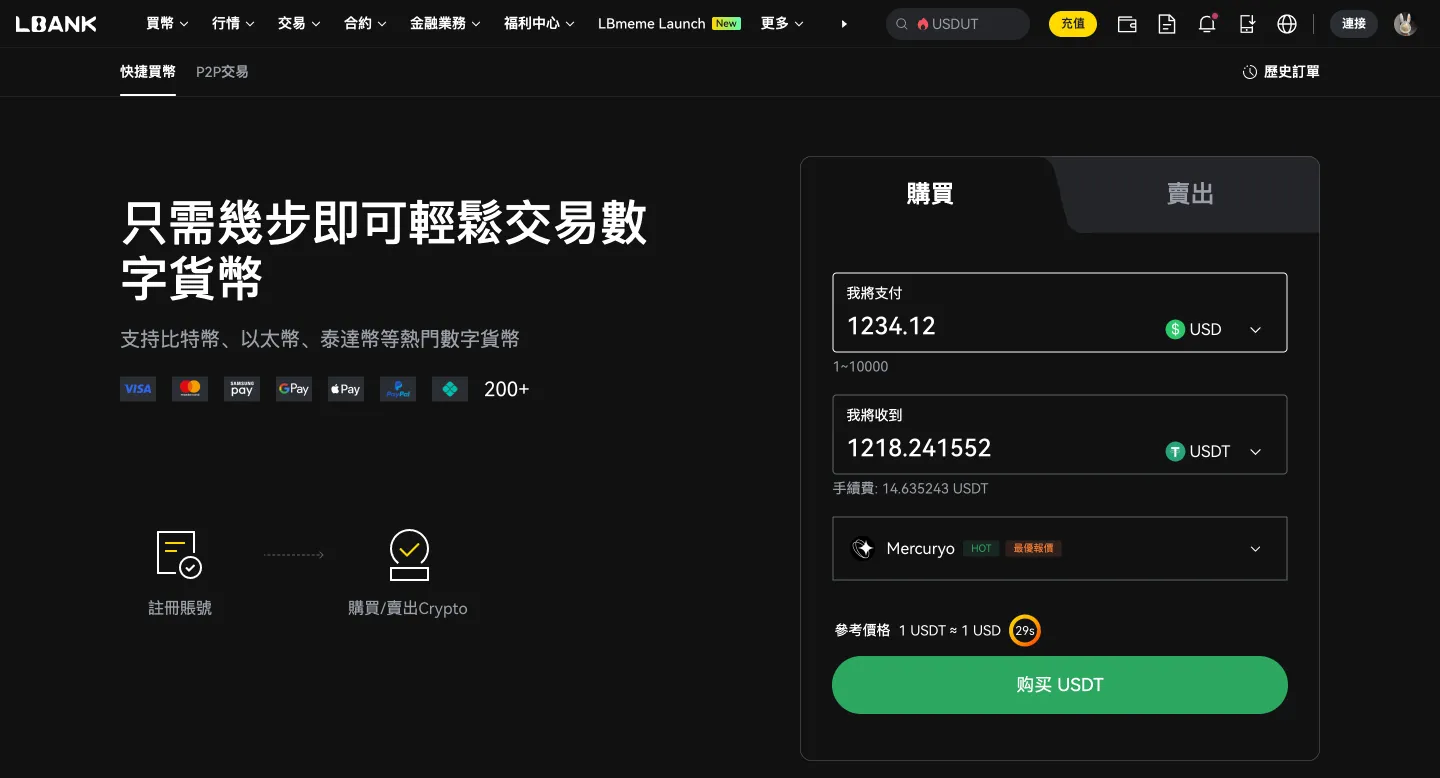
(d). 選擇您的付款方式
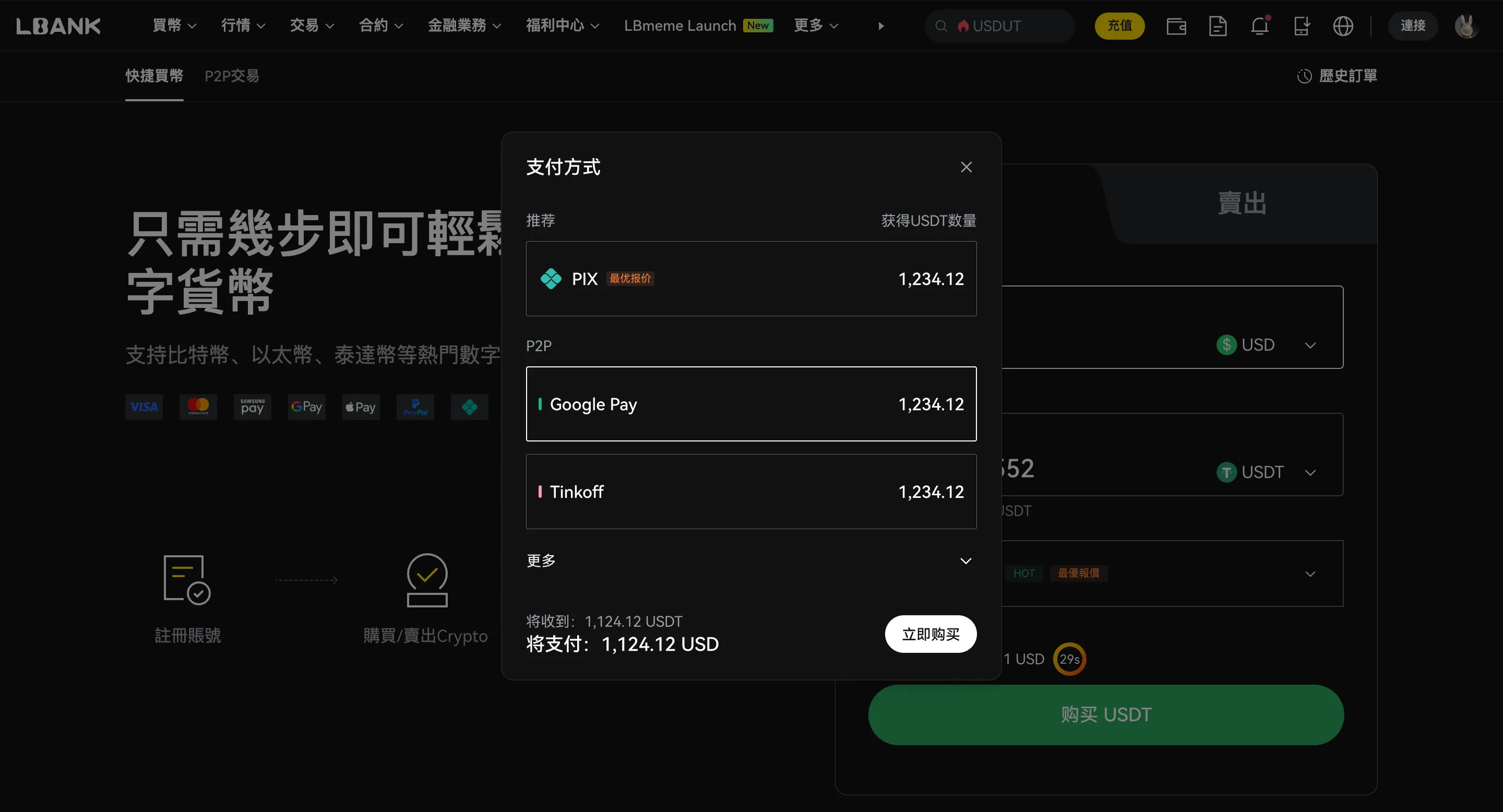
(e). 點擊「確認」或「立即購買」
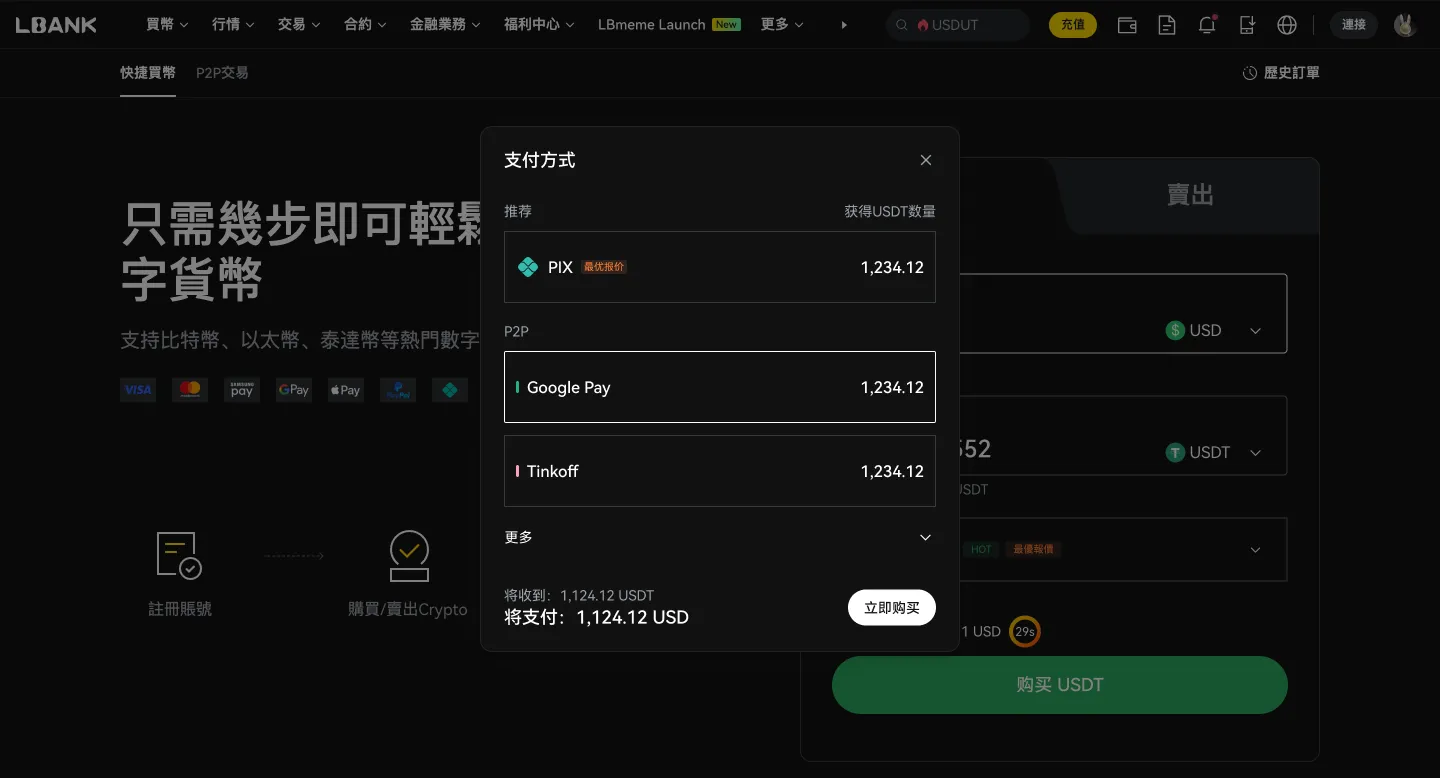
P2P 交易

商家
單價
數量 | 限額
支付方式
操作
PE
PewPewPow (MYR)
636 min | 100%
0.945 USD
978.03 USDT
30.000 - 924.238USD
Bank Transfer
MY
MYR_ DUITNOW _MYR
865 min | 100%
1.000 USD
2124.04 USDT
50.000 - 2124.040USD
Bank Transfer
PA
PAYMENT BY MYR
409 min | 100%
1.000 USD
698.73 USDT
10.000 - 698.000USD
Bank Transfer

什麼是 Balancer (BAL)?

Balancer is a decentralized automated market maker protocol built on the Ethereum blockchain that functions as both a decentralized exchange and a self-balancing portfolio management tool. Launched in 2020 by Balancer Labs, it was designed to provide a flexible alternative to traditional decentralized exchanges by allowing users to create or participate in liquidity pools with highly customizable parameters. Unlike many other automated market makers that restrict pools to only two assets in equal proportions, Balancer allows for pools containing up to eight different tokens. Creators of these pools can set specific weights for each asset, such as a pool with forty percent of one token and sixty percent of another. This structure effectively turns liquidity pools into self-balancing index funds. As the prices of the underlying assets change, the protocol uses mathematical formulas to trigger trades that rebalance the pool, ensuring it maintains the user-defined ratios. There are three primary types of pools within the ecosystem. Public pools are open to any user for providing liquidity and have fixed parameters that cannot be changed after creation. Private pools are managed by a single entity that can adjust all parameters, including weights, fees, and the assets accepted. Smart pools are controlled by smart contracts, allowing for even more complex logic and dynamic adjustments. The native token of the project is BAL, which serves primarily as a governance token. Holders of BAL can participate in the decision-making process for the protocol by voting on proposals that affect its future development and operation. A more recent evolution of this system involves veBAL, or voting-escrow BAL, which requires users to lock their tokens to gain increased voting power and other protocol benefits. This governance model ensures that the platform remains community-driven and decentralized. Beyond simple token swaps, Balancer provides infrastructure for other Web3 projects. It features a smart order router that scans all available pools to find the most efficient paths for trades, reducing costs for users. The protocol has also expanded to multiple blockchain networks, including Polygon and Arbitrum, positioning itself as a core liquidity layer for the broader decentralized finance ecosystem. Its modular architecture, particularly in its more recent versions, allows developers to build specialized pool types and financial products on top of the base protocol. 瞭解更多

Balancer (BAL) 是否是一個好的投資標的?

Balancer (BAL) 是否是一個好的投資標的取決於您個人的財務狀況和風險承受能力。加密貨幣投資具有投機性,價格可能高度波動。

在投資 Balancer (BAL) 或任何加密貨幣之前,請考慮以下因素:

您的財務目標
您的財務目標
您是尋求短期收益還是長期增長?
您的風險承受能力
您的風險承受能力
您對於損失金錢的可能性有多大的承受度?
多元化
多元化
不要把所有的雞蛋放在同一個籃子裡。將您的投資組合分散到不同的資產類別中。
您的目標和時間範圍
您的目標和時間範圍
加密貨幣最適合長期投資者。免責聲明:這不是財務建議。在做出任何投資決策之前,請進行徹底的研究。

在 LBank 購買 BAL 的手續費、限額與到帳時間

比較不同支付方式下的手續費、交易限額與預計到帳時間。實際費用與可用性可能因地區、法幣、支付方式及第三方服務商不同而變化,請以下單頁顯示為準。

投資報酬率計算

如果我投資,我的利潤是多少?
投入
$
進入
BAL
日期
2026-07-03
您將獲得 -- 美元的利潤,即投資報酬率的 --

您可以用 Balancer (BAL) 做什麼?

投資
購買並持有 Balancer (BAL),期望其價值隨著時間的推移而增加。
投資
交易
在 LBank 上積極交易 Balancer (BAL),從價格波動中獲利。
交易
支付
在接受的地方使用 Balancer (BAL) 支付商品和服務。
支付

為什麼 LBank 是購買 Balancer (BAL) 的最佳平台?

使用者友善的介面
使用者友善的介面
LBank 提供一個簡單直觀的平台,用於購買和出售 Balancer (BAL)。
具競爭力的費用
具競爭力的費用
LBank 為 Balancer (BAL) 提供具競爭力的交易費用。
安全的平台
安全的平台
LBank 採用強大的安全措施來保護您的資金。
多樣的交易對
多樣的交易對
LBank 提供多種 Balancer (BAL) 交易對選擇。
24/7 客戶支援
24/7 客戶支援
LBank 提供客戶支援,以協助您解決任何問題或疑問。
手機應用程式
手機應用程式
使用 LBank 手機應用程式隨時隨地交易 Balancer (BAL)。
高流動性
高流動性
LBank 為 Balancer (BAL) 交易提供出色的流動性,確保您可以輕鬆買賣您的加密貨幣資產。
監管合規
監管合規
LBank 遵守其營運所在司法管轄區的所有監管要求,確保合規和安全的交易環境

買到 BAL 後,怎麼存放更合適?

買到 BAL 後,可以根據使用頻率、持有週期與安全需求,選擇不同的存放方式。如果你需要隨時交易,可先存放在 LBank 帳戶;如果更重視自主管理或長期安全,則可考慮個人錢包或硬體錢包。

存放在 LBank 帳戶

存放在 LBank 帳戶

適合誰
想隨時交易或兌換的用戶
短期持有 BTC 的用戶
特點
買入後可直接使用,操作更方便
適合頻繁交易、轉換或繼續使用平台功能
安全提醒
請開啟 2FA
設定防釣魚碼
僅透過官方入口登入帳戶
轉到個人熱錢包

轉到個人熱錢包

適合誰
希望自己管理資產的用戶
需要日常轉帳或鏈上使用的用戶
特點
使用更靈活,方便日常收發與管理
更適合小額持有與日常使用場景
安全提醒
不要將助記詞或私鑰保存在雲端
不要透過聊天工具、郵件或截圖保存敏感資訊
留意釣魚網站與假錢包 App
轉到硬體錢包

轉到硬體錢包

適合誰
長期持有 BTC 的用戶
更重視安全性的大額持有者
特點
私鑰離線儲存,安全性通常更高
更適合長期存放,不常移動的資產
安全提醒
妥善離線備份助記詞
不要向任何人透露恢復短語
遺失助記詞後,資產可能無法恢復

新聞專區

更多
The Daily: Balancer Labs to wind down, Bernstein calls bitcoin bottom with $150K target for 2026, and more
Balancer Labs, the corporate entity behind the DeFi protocol Balancer, is winding down after a $128 million exploit created “real and ongoing legal exposure” for the firm.Bernstein analysts said bitcoin has likely bottomed, underpinning its bullish thesis for treasury firm Strategy as a leveraged play on the upside.In a forum post on Monday, co-founder Fernando Martinelli said the technology remains intact, but flawed tokenomics and repeated security incidents eroded trust.Martinelli had considered a complete protocol shutdown, but pointed to recent performance metrics, noting that Balancer has generated more than $1 million in annualized fees.Instead, the protocol will continue operating under a leaner structure, shifting toward DAO-led governance and a service provider model.The restructuring plan proposes ending BAL (BAL) emissions, sunsetting veBAL, and redirecting 100% of fees to the DAO treasury. Core contributors are expected to move to a new entity, Balancer OpCo, pending governance approval.Leadership said the next 12 months will be critical as Balancer attempts to prove sustainable product-market fit and rebuild confidence.The decision follows a November attack that affected Balancer v2 pools across multiple chains, which was attributed to a rounding flaw in its swap logic.The analysts projected a potential 226% rise for Strategy with a $450 price target, citing its resilient balance sheet and 3.6% share of bitcoin supply.Bernstein argued that Strategy's increasing shift to perpetual preferred instruments like STRC reduces volatility risk and provides non-dilutive, long-term capital for continued bitcoin accumulation.The analysts also reiterated a $150,000 bitcoin price target for the end of 2026 and see a cycle peak of $200,000 in 2027.The initiative advances NYSE's January plan to launch a 24/7 tokenized securities venue, formalizing a key piece of its infrastructure.Securitize will handle the creation and management of tokenized shares, leveraging its experience working with institutions like BlackRock.The collaboration reflects a broader Wall Street push into tokenization, as exchanges and regulators increasingly move to support digital securities experimentation.Executives said the audit will provide a comprehensive review of Tether's financials, including assets, liabilities, and internal controls.The company did not disclose the auditor's name in its Tuesday announcement, though candidates include Deloitte, PwC, EY, and KPMG.Deloitte has previously issued a reserve attestation for Tether-linked USAT — a U.S.-regulated stablecoin issued via Anchorage Digital — though that review was limited to a point-in-time snapshot and did not extend to USDT or Tether's broader finances.The move comes as Tether scales globally and seeks to address long-standing scrutiny over its reserve transparency.Meanwhile, shares in rival Circle fell 20% on Tuesday amid proposed limits on stablecoin rewards and reports that the firm froze USDC in 16 wallets tied to an ongoing U.S. civil case.Fink emphasized that tokenization can improve access, liquidity, and efficiency by making assets easier to issue, trade, and fractionalize.His comments come as regulators and major institutions accelerate efforts to test and integrate tokenized securities into traditional markets.UK CPI and PPI data are due at 3 a.m. ET on Wednesday. U.S. mortgage data follows at 7 a.m.AltLayer and Acala are among the crypto projects set for token unlocks.Next Block Expo and Digital Asset Summit continue. Crypto Assets Conference 2026 kicks off in Frankfurt.
2026-03-25
Balancer Labs to shut down after $128 million exploit; protocol eyes 'lean' restructuring
Balancer protocol’s corporate entity is shutting down after over $128 million was drained in an exploit last November.Its co-founder, Fernando Martinelli, said the protocol will continue to operate after restructuring to attain a “lean” economic model.
2026-03-24

Balancer (BAL) 常見問題

Balancer stands out with its highly flexible liquidity pools. Unlike many traditional AMMs that typically restrict pools to two tokens in a 50/50 ratio, Balancer supports up to 16 tokens within a single pool. Furthermore, these pools allow for customizable weightings (e.g., 80% BAL / 20% WETH), enabling the creation of 'index-like' funds that automatically rebalance. This versatility offers liquidity providers greater control and allows for more complex financial strategies, making it a powerful tool for diverse asset management.
Balancer offers diverse pool types to cater to various needs. Public Pools are open for anyone to provide liquidity, with fixed parameters. Private Pools grant a single owner full control to adjust weights and fees, ideal for custom strategies. Smart Pools are managed by smart contracts, allowing for advanced features like dynamic fee adjustments or even changing the tokens within the pool. This range of options provides unprecedented flexibility and automation for both liquidity providers and pool creators within the ecosystem.
veBAL, or vote-escrowed BAL, is a core mechanism inspired by advanced tokenomics models. Users obtain veBAL by locking Balancer (BAL) and Wrapped Ether (WETH) liquidity tokens for a chosen duration. Holding veBAL grants significant utility: it empowers users to vote on "gauges," effectively directing where new BAL token emissions are distributed to specific liquidity pools. Additionally, veBAL holders earn a portion of the protocol's revenue and can significantly boost their own liquidity mining rewards, incentivizing long-term engagement and governance participation.
Balancer V3, launched on December 11, 2024, brings several major advancements. A key innovation is the "Boosted Pools" concept, developed in partnership with Aave, which allows capital to remain liquid for trading while simultaneously earning lending yield on idle assets. The new "Hooks Framework" offers developers extensive customization, enabling them to integrate custom logic into pools, such as dynamic fees or oracle-based pricing. Furthermore, V3 significantly improves gas efficiency by centralizing logic within a unified "Vault," reducing the cost of complex swaps for users.
Users providing liquidity to Balancer pools can earn rewards through two main mechanisms. Firstly, they receive a share of the swap fees generated by traders who utilize their specific liquidity pools. This mechanism ensures that liquidity providers are compensated for facilitating trades. Secondly, participants in certain "incentivized" pools receive weekly distributions of BAL tokens. This liquidity mining program is a significant incentive, directing protocol emissions to encourage deeper liquidity in key asset pairs and rewarding those who contribute to the ecosystem's robustness.
While Balancer offers innovative features, users should be aware of potential risks. Smart contract risk is inherent, meaning potential vulnerabilities or bugs in the protocol's code could lead to asset loss. Balancer has undergone extensive audits and maintains a bug bounty to mitigate this, but it's always a consideration. Another significant concern is asset risk, particularly in multi-token pools; if one of the constituent tokens, such as a stablecoin, de-pegs or suffers a significant value drop, it can impact the entire pool's value. Impermanent loss also exists, though Balancer's custom pool weights can sometimes reduce its impact.

如何購買其他加密貨幣資產