首頁買幣指南
購買ETHS
ETH Stable (ETHS)

如何在 LBank 購買ETH Stable (ETHS)

了解如何在 LBank 購買ETH Stable (ETHS),內容涵蓋信用卡、簽帳金融卡、Apple Pay 與銀行轉帳等支付方式,以及購買流程、準備事項與常見問題。

第一步
下載LBank App
請下載LBank App 並註冊以開始使用
第二步
為您的帳戶充值
使用您首選的付款方式進行存款。
第三步
選擇您的數字貨幣
從LBank交易所或錢包上提供的 3,000,000+ 數字貨幣中選擇您想購買的貨幣。

購買決策資訊速覽表

信用卡 / 簽帳卡

信用卡 / 簽帳卡

手續費
動態費率
處理時間
通常 1 分鐘內,最長 48 小時
最低購買金額
約 10-15 USD 起
適用地區
視地區、法幣、發卡行及支付通道支援情況而定
銀行轉帳 / 本地轉帳

銀行轉帳 / 本地轉帳

手續費
動態費率
處理時間
視支付方式而定,部分本地通道可更快
最低購買金額
約1-10 USD起
適用地區
視當地支付通道而定

在 LBank 購買 ETHS 的三個簡單步驟

註冊 LBank 帳戶

如何在 LBank 購買 ETHS:支援的付款方式一覽

了解在 LBank 購買 ETHS 可使用的付款方式,包括信用卡、簽帳金融卡、銀行轉帳、Apple Pay、Google Pay、PayPal 與 P2P,幫助您快速選擇適合的 ETHS 購買方式。

信用卡 / 簽帳卡
信用卡 / 簽帳卡
處理時間: 通常 1 分鐘內,最長 48 小時
使用支援國際線上交易的 Visa / Mastercard,確認已開通 3D Secure;失敗後可更換銀行卡或稍後重試
常見失敗原因: 發卡行拒絕加密貨幣交易、餘額不足、3D Secure 驗證失敗、風控攔截、地區或卡組織不支援
銀行轉帳 / 本地轉帳
銀行轉帳 / 本地轉帳
處理時間: 即時至 1-3 個工作日
核對收款帳戶、參考碼和轉帳網路,並使用與實名認證一致的銀行帳戶付款
常見失敗原因: 收款資訊或參考碼錯誤、姓名不一致、銀行處理延遲、轉帳網路不支援

在 LBank 購買ETH Stable (ETHS)前需要完成哪些準備?

查看在 LBank 購買 ETH Stable (ETHS) 前需要完成的準備事項,包括註冊帳戶、身份驗證 (KYC)、付款方式、地區可用性與購買前注意事項,幫助您更順利完成 BTC 購買流程。

適合誰
想直接用法幣快速購買 ETHS 的用戶
買前準備清單
註冊並登入帳戶
完成所需 KYC
準備支付方式
確認地區可用,查看限額/手續費/到帳時間
用戶路徑
Buy Crypto

如何在 LBank 上購買ETH Stable - 逐步指南

在開始之前,請決定您要如何付款:

用法幣支付

如果您是加密貨幣新手,使用法幣(如美元、歐元等)是購買 ETH Stable 最簡單的方式。LBank 接受各種付款方式,包括簽帳金融卡、信用卡、銀行轉帳,以及可能提供的其他當地付款選項。您可能需要在購買前為您的 LBank 帳戶充值。

用其他加密貨幣支付

如果您已經持有其他加密貨幣,您可以在 LBank 上將它們交易為 ETH Stable。請確認 LBank 支援您需要的交易對(例如,Bitcoin (BTC)。LBank 提供多種交易對,讓您可以方便地將現有的加密貨幣兌換為 ETH Stable 。

LBank 支援多種付款方式

您可以使用以下各種付款方式在 LBank 上購買 ETH Stable:

簽帳金融卡
信用卡
PayPal
Apple Pay
Google Pay

手機應用程式指南

1
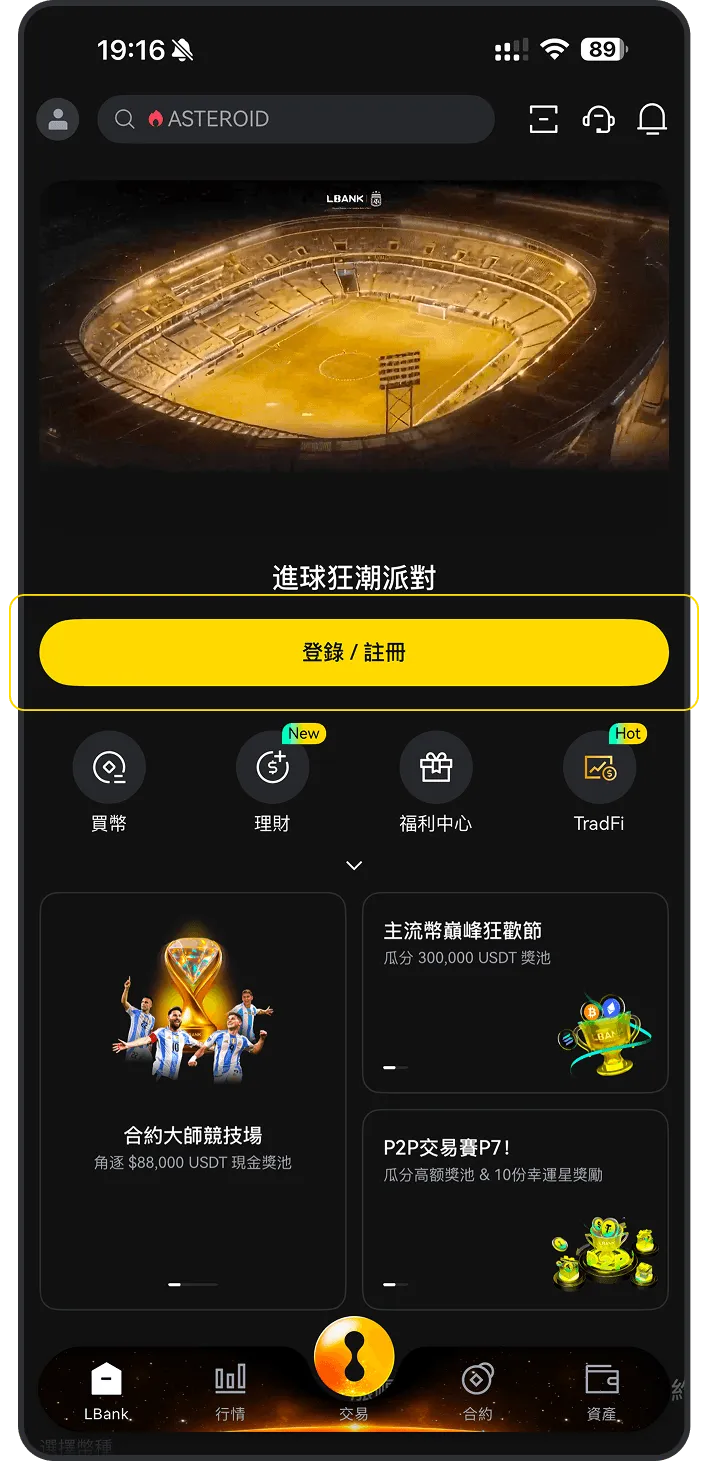
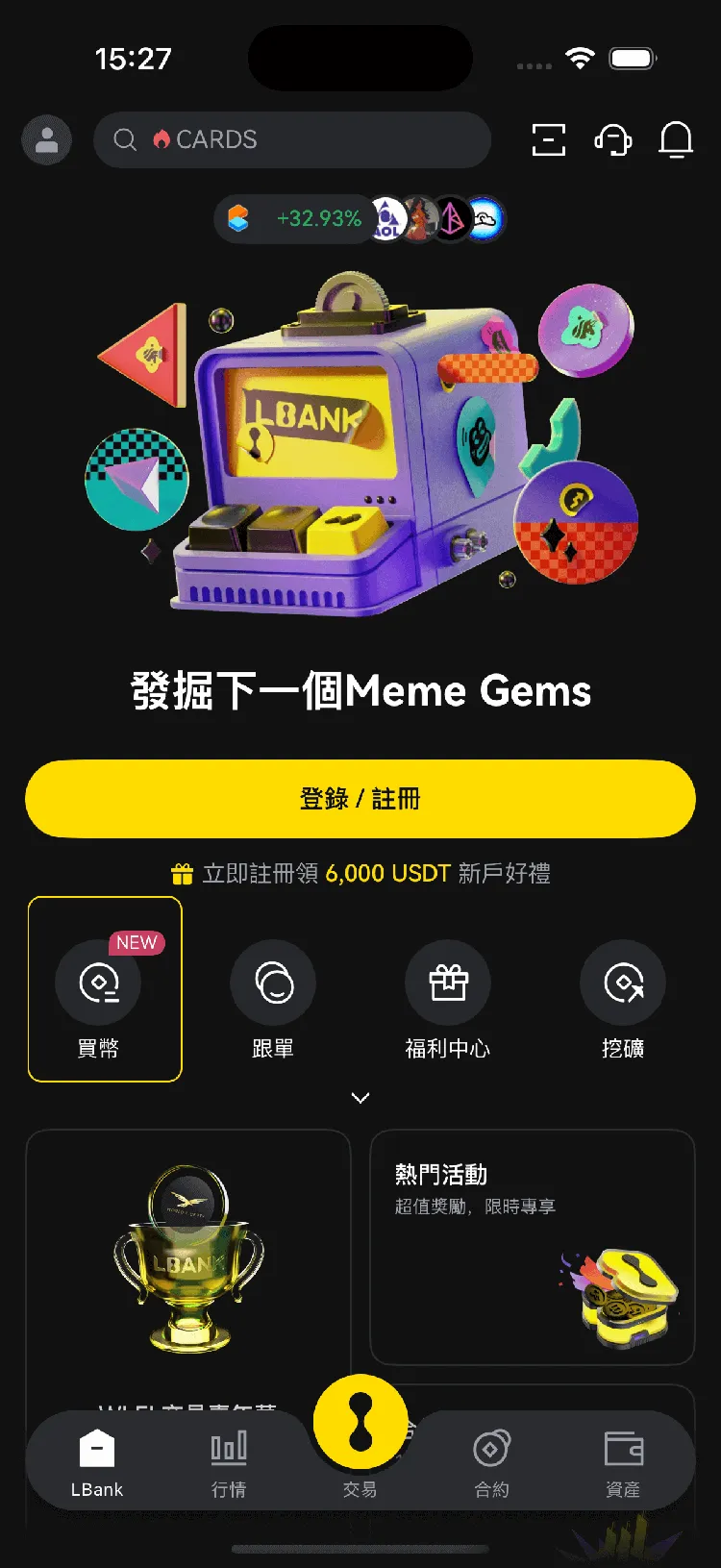
打開 LBank 手機應用程式,然後點擊「買幣」
2
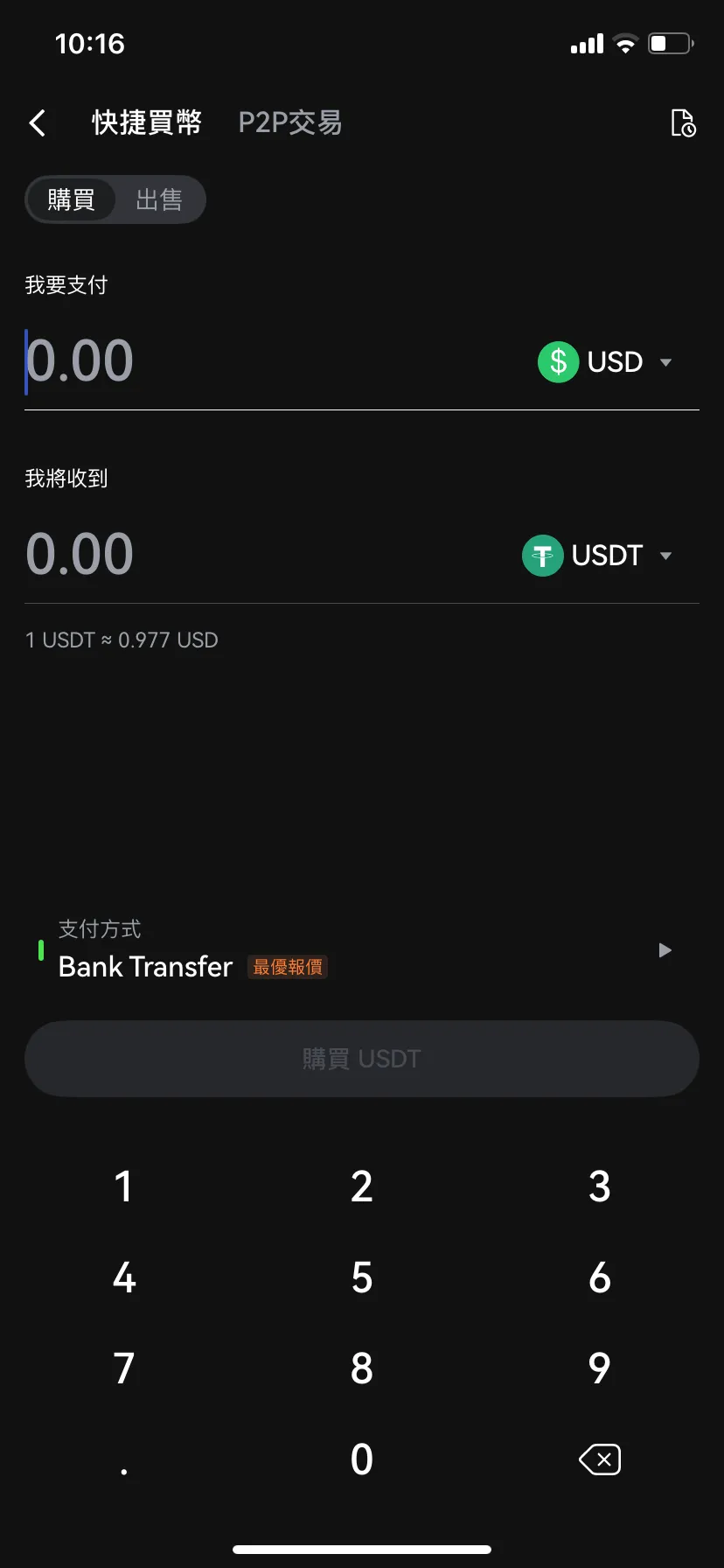
選擇「購買」
3
選擇 ,輸入您要使用的法幣,輸入金額,點擊「買入」或「確認」

桌面版指南

1
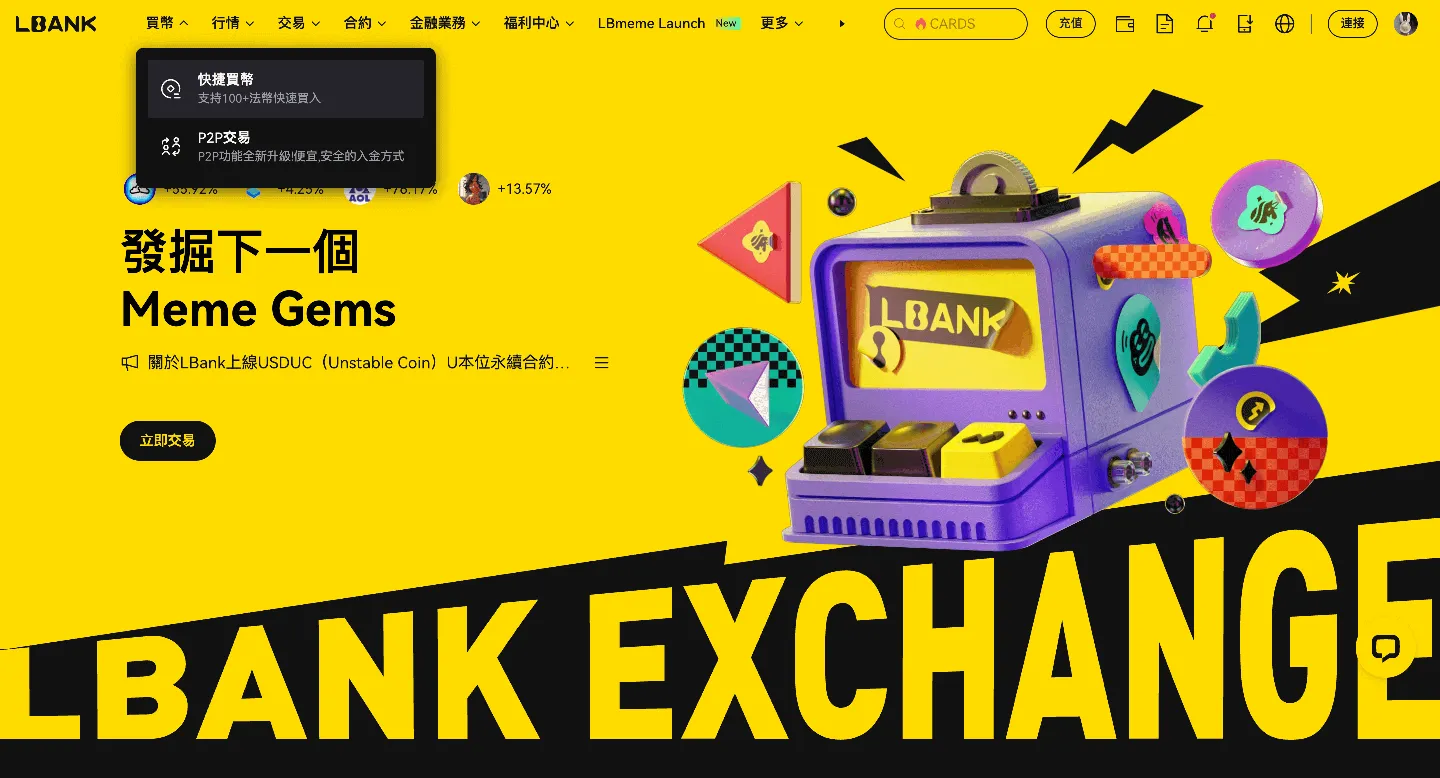
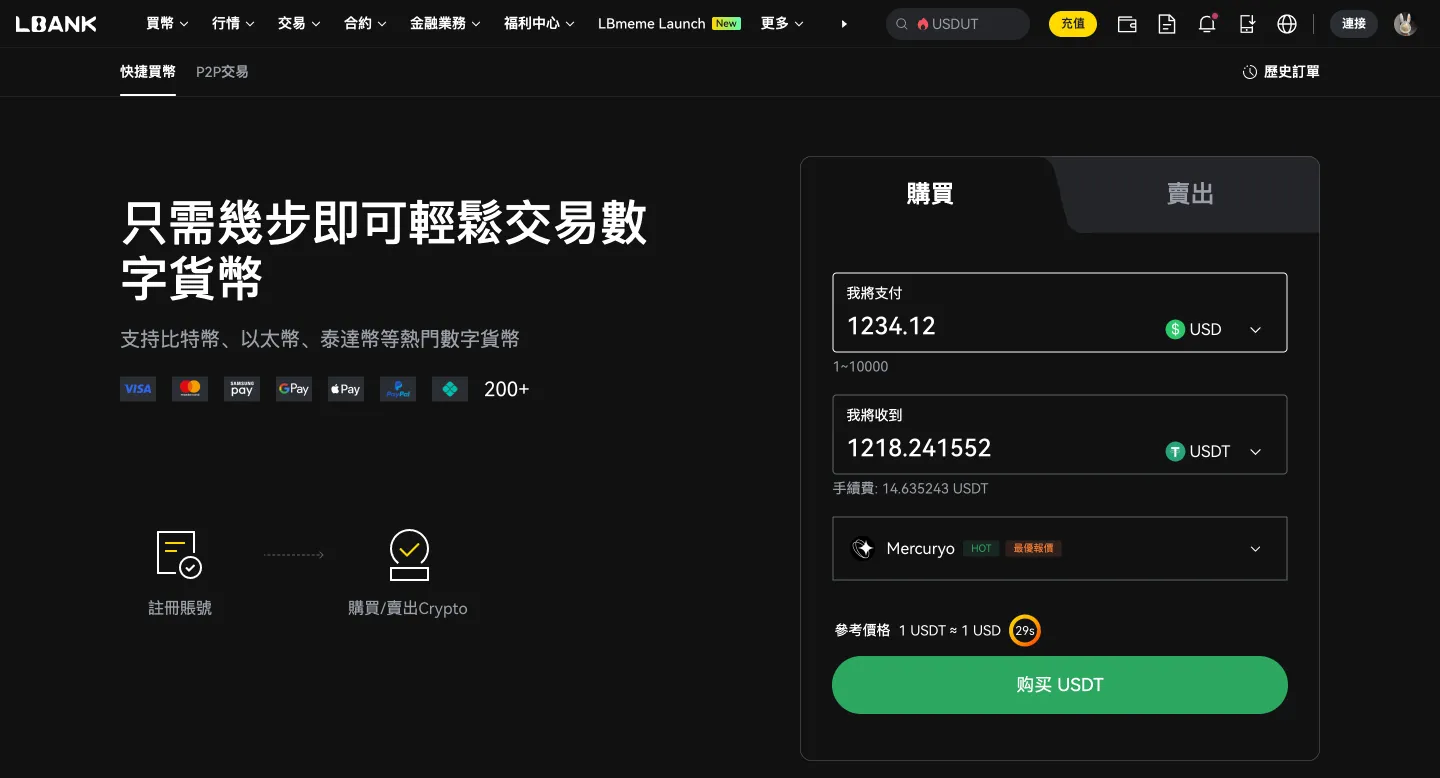
在您的桌面瀏覽器上登入 LBank,然後點擊「快捷買幣」選項。
2
在「快捷買幣」標籤上:

(a). 選擇您要使用的法幣

(b). 選擇要購買的 ETH Stable

(c). 輸入金額或使用快速選項(例如,100、100、500、最大值)

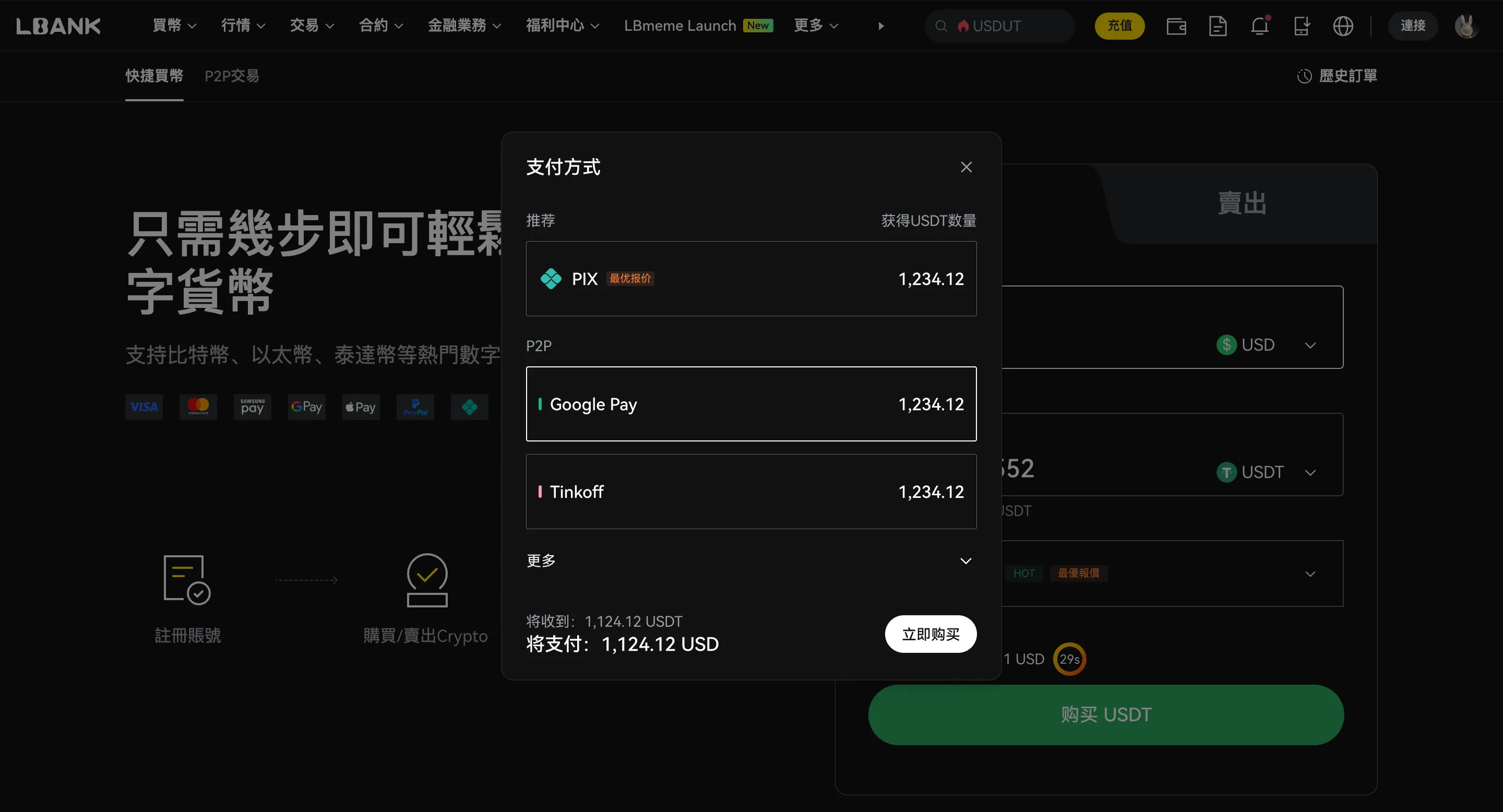
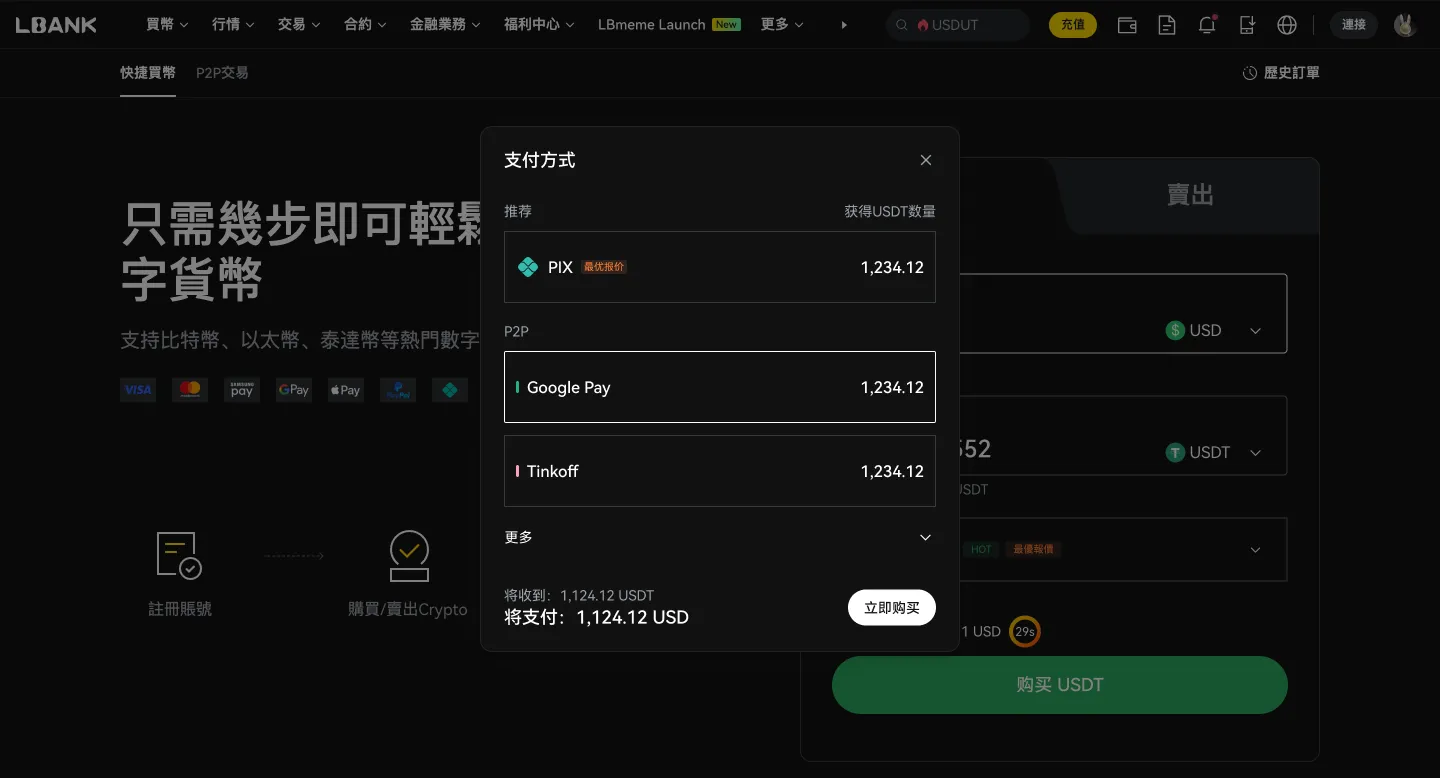
(d). 選擇您的付款方式

(e). 點擊「確認」或「立即購買」

P2P 交易

商家
單價
數量 | 限額
支付方式
操作
PE
PewPewPow (MYR)
958 min | 100%
0.936 USD
1112.43 USDT
30.000 - 1041.234USD
Bank Transfer
AM
AMG_Trading
411 min | 100%
0.954 USD
2000.00 USDT
95.400 - 1908.000USD
Bank Transfer
MY
MYR_ DUITNOW _MYR
882 min | 100%
1.000 USD
2608.20 USDT
50.000 - 2500.000USD
Bank Transfer

什麼是 ETH Stable (ETHS)?

There are two distinct projects that use the token ticker 'ETHS', which can cause confusion. One is "ETH Stable" by Mori Finance, and the other is "Ethscriptions". ETH Stable (ETHS) by Mori Finance ETH Stable is a project by Mori Finance, operating as an innovative stable asset protocol built on the Ethereum blockchain. This protocol utilizes Liquid Staking Derivatives (LSDs) as collateral. The primary goal is to generate both low-volatility stable assets, known as ETHS (ETH Stable), and high-volatility derivative assets, called ETHC (ETH Coin). This design allows users to choose assets that align with their individual risk preferences. The protocol is designed to offer a way to hedge against shifts in the price of ETH and enables users to establish low-cost long positions on ETH with a reduced risk of liquidation. Mori Finance highlights its unique approach, which includes support for LSDs and a risk management module aimed at ensuring the stability and sustainability of the system. The development of the Mori Finance project involved a testnet launch in June 2023. This was followed by token offering events in July and August 2023, and the introduction of its alpha mainnet in August 2023. Future plans for the project include seeking listings on decentralized exchanges to facilitate direct trading, participating in yield optimization opportunities, and integrating with Layer 2 scaling solutions, as well as exploring cross-chain capabilities. Ethscriptions (ETHS) Separately, Ethscriptions, also identified by the ETHS ticker, is a different project. It focuses on creating and sharing digital artifacts directly on the Ethereum blockchain. This is achieved by embedding data into Ethereum transaction calldata, which is a method for storing and transferring digital assets in a decentralized manner. This approach aims to provide a more cost-effective and decentralized alternative to traditional non-fungible tokens (NFTs). Ethscriptions utilize "Dumb Contracts" and the Ethscriptions Virtual Machine (ESC-VM) to enhance the scalability and functionality of the Ethereum network for these digital artifacts. 瞭解更多

ETH Stable (ETHS) 是否是一個好的投資標的?

ETH Stable (ETHS) 是否是一個好的投資標的取決於您個人的財務狀況和風險承受能力。加密貨幣投資具有投機性,價格可能高度波動。

在投資 ETH Stable (ETHS) 或任何加密貨幣之前,請考慮以下因素:

您的財務目標
您的財務目標
您是尋求短期收益還是長期增長?
您的風險承受能力
您的風險承受能力
您對於損失金錢的可能性有多大的承受度?
多元化
多元化
不要把所有的雞蛋放在同一個籃子裡。將您的投資組合分散到不同的資產類別中。
您的目標和時間範圍
您的目標和時間範圍
加密貨幣最適合長期投資者。免責聲明:這不是財務建議。在做出任何投資決策之前,請進行徹底的研究。

在 LBank 購買 ETHS 的手續費、限額與到帳時間

比較不同支付方式下的手續費、交易限額與預計到帳時間。實際費用與可用性可能因地區、法幣、支付方式及第三方服務商不同而變化,請以下單頁顯示為準。

投資報酬率計算

如果我投資,我的利潤是多少?
投入
$
進入
ETHS
日期
2026-07-04
您將獲得 -- 美元的利潤,即投資報酬率的 --

您可以用 ETH Stable (ETHS) 做什麼?

投資
購買並持有 ETH Stable (ETHS),期望其價值隨著時間的推移而增加。
投資
交易
在 LBank 上積極交易 ETH Stable (ETHS),從價格波動中獲利。
交易
支付
在接受的地方使用 ETH Stable (ETHS) 支付商品和服務。
支付

為什麼 LBank 是購買 ETH Stable (ETHS) 的最佳平台?

使用者友善的介面
使用者友善的介面
LBank 提供一個簡單直觀的平台,用於購買和出售 ETH Stable (ETHS)。
具競爭力的費用
具競爭力的費用
LBank 為 ETH Stable (ETHS) 提供具競爭力的交易費用。
安全的平台
安全的平台
LBank 採用強大的安全措施來保護您的資金。
多樣的交易對
多樣的交易對
LBank 提供多種 ETH Stable (ETHS) 交易對選擇。
24/7 客戶支援
24/7 客戶支援
LBank 提供客戶支援,以協助您解決任何問題或疑問。
手機應用程式
手機應用程式
使用 LBank 手機應用程式隨時隨地交易 ETH Stable (ETHS)。
高流動性
高流動性
LBank 為 ETH Stable (ETHS) 交易提供出色的流動性,確保您可以輕鬆買賣您的加密貨幣資產。
監管合規
監管合規
LBank 遵守其營運所在司法管轄區的所有監管要求,確保合規和安全的交易環境

買到 ETHS 後,怎麼存放更合適?

買到 ETHS 後,可以根據使用頻率、持有週期與安全需求,選擇不同的存放方式。如果你需要隨時交易,可先存放在 LBank 帳戶;如果更重視自主管理或長期安全,則可考慮個人錢包或硬體錢包。

存放在 LBank 帳戶

存放在 LBank 帳戶

適合誰
想隨時交易或兌換的用戶
短期持有 BTC 的用戶
特點
買入後可直接使用,操作更方便
適合頻繁交易、轉換或繼續使用平台功能
安全提醒
請開啟 2FA
設定防釣魚碼
僅透過官方入口登入帳戶
轉到個人熱錢包

轉到個人熱錢包

適合誰
希望自己管理資產的用戶
需要日常轉帳或鏈上使用的用戶
特點
使用更靈活,方便日常收發與管理
更適合小額持有與日常使用場景
安全提醒
不要將助記詞或私鑰保存在雲端
不要透過聊天工具、郵件或截圖保存敏感資訊
留意釣魚網站與假錢包 App
轉到硬體錢包

轉到硬體錢包

適合誰
長期持有 BTC 的用戶
更重視安全性的大額持有者
特點
私鑰離線儲存,安全性通常更高
更適合長期存放,不常移動的資產
安全提醒
妥善離線備份助記詞
不要向任何人透露恢復短語
遺失助記詞後,資產可能無法恢復

ETH Stable (ETHS) 常見問題

The primary problem an ETH-backed stablecoin solves is providing price stability within the volatile digital asset market, particularly for users operating on the Ethereum network. It allows individuals to hold a value-stable asset while remaining on-chain, facilitating faster and cheaper transactions compared to traditional banking. This stability is crucial for lending, borrowing, payments, and various decentralized finance (DeFi) applications, making digital assets more practical for everyday use and offering a hedge against market fluctuations without needing to convert to fiat currency off-chain.
For ETH-backed stablecoins, the technology involves utilizing smart contracts on the Ethereum blockchain to manage the collateralization process. Users typically deposit Ether (ETH) into these contracts as collateral, which then allows them to mint a corresponding amount of the stablecoin. The peg is maintained through various mechanisms, which can include over-collateralization to absorb ETH price fluctuations, liquidation of collateral if its value drops below a certain threshold, and algorithmic adjustments or arbitrage opportunities to bring the stablecoin's value back to its target.
While 'ETH Stable (eths)' is a conceptual term for stablecoins on Ethereum rather than a specific project, for any real stablecoin, understanding the development team is crucial. Investors and users would typically seek transparency regarding the team's background in blockchain, finance, and cryptography. A strong track record, including successful past projects, clear communication, and a commitment to security audits, builds confidence in the project's long-term viability and its ability to manage potential challenges effectively.
Risks with ETH-backed stablecoins often stem from the volatility of Ether (ETH) itself. If the value of ETH collateral drops significantly and rapidly, it could trigger liquidations, potentially leading to a 'death spiral' where forced selling of ETH further depresses its price, endangering the stablecoin's peg. Other risks include smart contract vulnerabilities, which could lead to loss of collateral, and oracle failures that provide incorrect price feeds. Managing these risks typically involves robust liquidation mechanisms, transparent collateral ratios, and continuous security audits.
The primary challenges for stablecoin transactions on the Ethereum mainnet are high gas fees and network congestion, leading to slower transaction finality during peak times. As a popular blockchain, Ethereum's demand often drives up transaction costs, making frequent or small stablecoin transfers uneconomical for some users. These challenges are being addressed through Layer 2 scaling solutions like rollups (e.g., Optimistic and ZK-rollups), which process transactions off-chain but settle them securely on the mainnet. These solutions significantly reduce costs and increase throughput, enhancing the usability of stablecoins on Ethereum.
Concerns about censorship or freezing of funds largely depend on whether the stablecoin is centralized or decentralized. Centralized stablecoins (like those issued by companies holding real-world assets) often have mechanisms to blacklist addresses and freeze funds in response to regulatory requirements or legal mandates. This introduces a point of control, potentially compromising the decentralized ethos of digital assets. Decentralized, collateral-backed stablecoins, managed purely by smart contracts, are generally more resistant to direct censorship or fund freezing by a single entity, though the underlying blockchain can still be subject to broader regulatory pressures.

如何購買其他加密貨幣資產