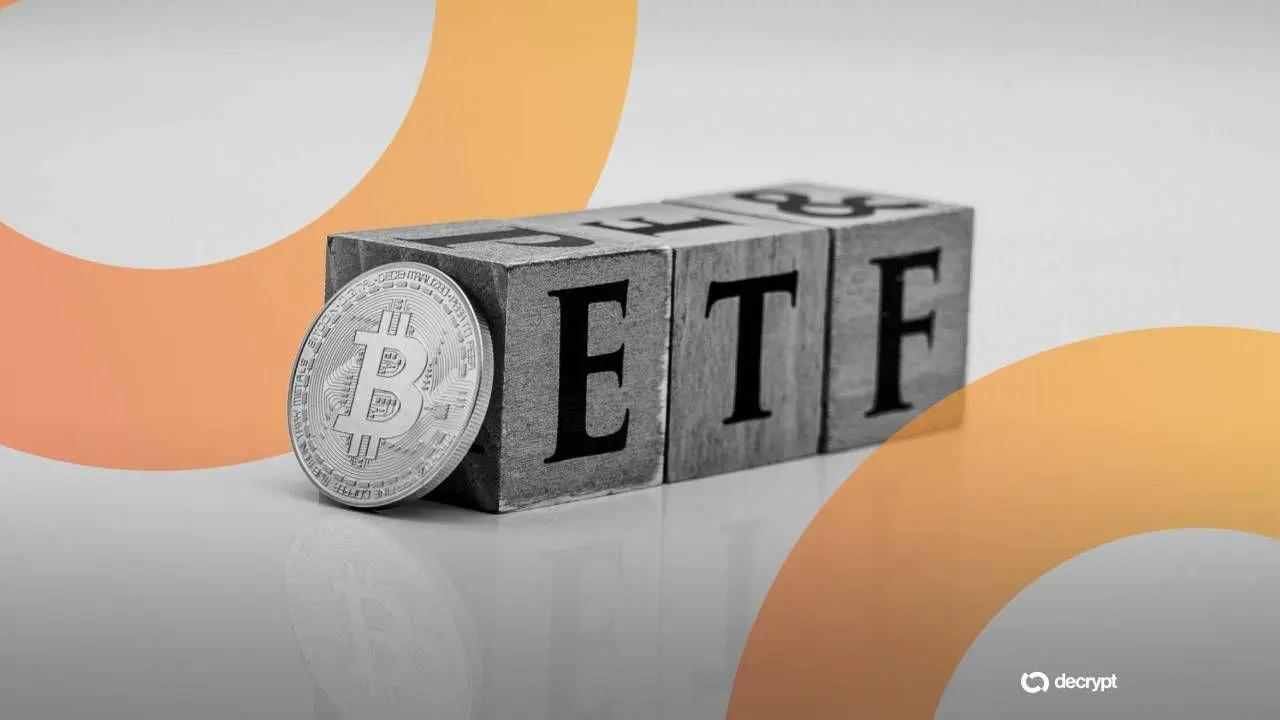
Bitcoin ETFs posted their largest single-day inflow since late February as investors positioned ahead of President Trump's Tuesday-night deadline on Iran.
The funds added $471.3 million on Monday, led by BlackRock's IBIT with $181.9 million, followed by Fidelity's FBTC at $147.3 million and ARKB at $118.8 million, according to SoSoValue data. Every ETF recorded net inflows or held flat, with none seeing outflows.
The inflows come as Bitcoin trades at around $69,200, down 1% over the past 24 hours and up 3.7% on the week, according to CoinGecko data.
“Institutional positioning right now looks more like measured accumulation than a binary bet on geopolitics,” Wenny Cai, Founder and CEO of decentralized derivatives exchange SynFutures, told Decrypt.
This move from institutional investors shows that they’re stepping back in, but through “structured allocation rather than chasing a near-term resolution of the Middle East conflict,” Cai explained.
The flows follow a flurry of diplomatic activity in the U.S.-Iran conflict.
Iran delivered a “10-point” response to the U.S. “15-point peace plan,” demanding a permanent end to the war, the lifting of all sanctions, and an end to Israeli strikes in Lebanon. In return, Iran would reopen the Strait of Hormuz but impose a $2 million fee per ship, splitting proceeds with Oman.
BREAKING: Iran has delivered its highly anticipated "10-point" response to the US' "15-point peace plan."
Iran's 10-point plan includes:
1. Guarantee that Iran will not be attacked again
2. Permanent end to the war, not just a ceasefire
3. End to Israeli strikes in Lebanon
4.…— The Kobeissi Letter (@KobeissiLetter) April 6, 2026
However, negotiators are “pessimistic” Iran will bend to meet Trump's demand to reopen the strait before his Tuesday-night deadline, The Wall Street Journal reported.
A strategic adviser to Iran's parliament speaker struck a defiant tone: "It is Trump who has about 20 hours to either surrender to Iran or his allies will return to the Stone Age," according to The Kobeissi Letter’s post Tuesday.
As a result, oil prices have extended gains to $115.50 per barrel, up 110% since December 2025 lows as the reopening of the Strait of Hormuz—a key variable—remains shrouded in uncertainty.
Users on prediction market Myriad, owned by Decrypt's parent company Dastan, see a 68% chance that average ships transiting the strait will rise above 15 before May—up from 43% on April 3, reflecting growing but cautious optimism. Nevertheless, Myriad users put an 84% chance on crude oil’s next move taking it to $120.
For Bitcoin, the path forward hinges on whether diplomatic efforts succeed, Decrypt previously reported, with analysts suggesting a potential retest of $80,000 was possible if the ceasefire talks yield an end to hostilities.
“If tensions ease, Bitcoin could be one of the first assets to reprice higher, but a sustained bull run will still depend more on global liquidity than geopolitics alone,” Cai said.
However, Bitcoin’s resilience since the war began on February 29 underscores a shift in its narrative. That, combined with steady ETF demand and macro hedging, could keep Bitcoin supported near current levels, with $70,000 acting more as a test zone than a firm floor, Cai said, tempering optimistic expectations.