Ethena Staked USDe (SUSDE)

How to Buy Ethena Staked USDe (SUSDE) on LBank

Learn how to buy Ethena Staked USDe (SUSDE) on LBank, including payment methods such as credit cards, debit cards, Apple Pay, and bank transfers, as well as the purchase process, preparations, and FAQs.

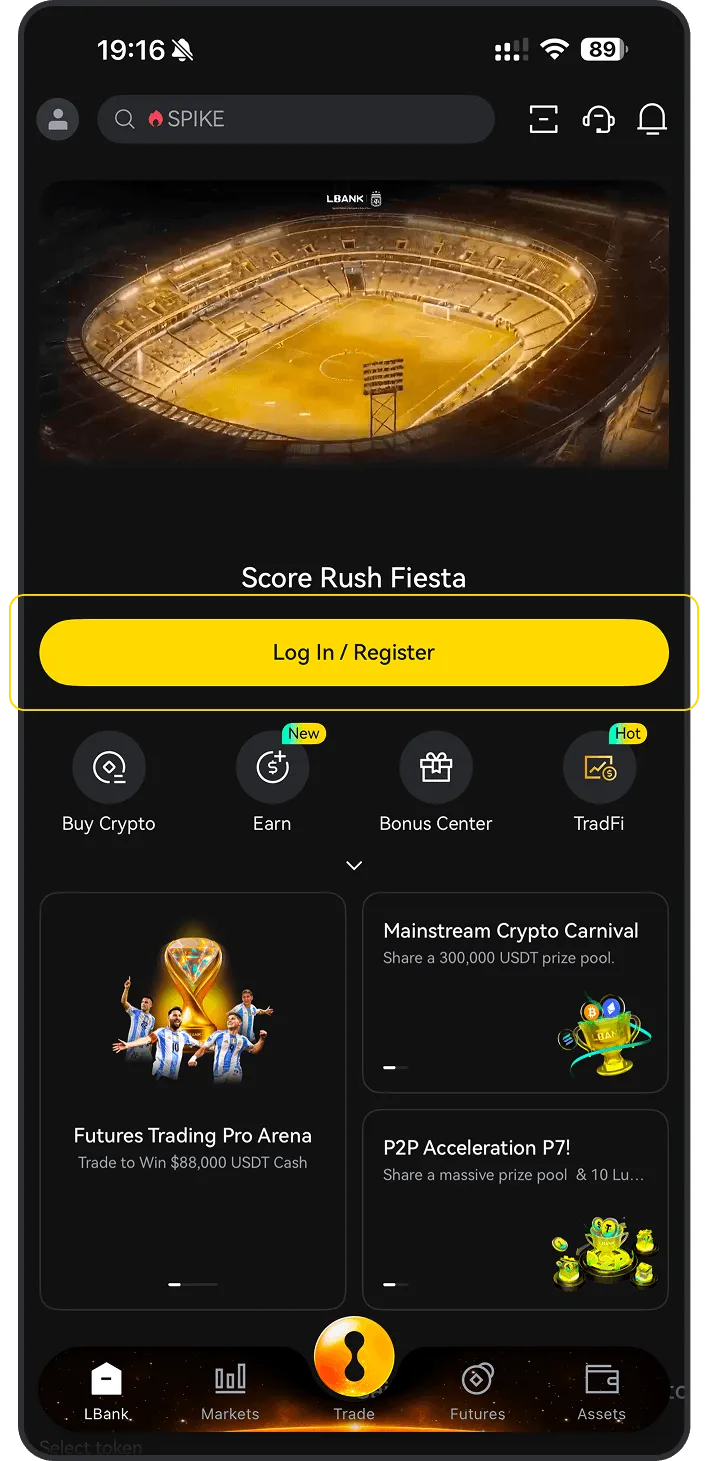
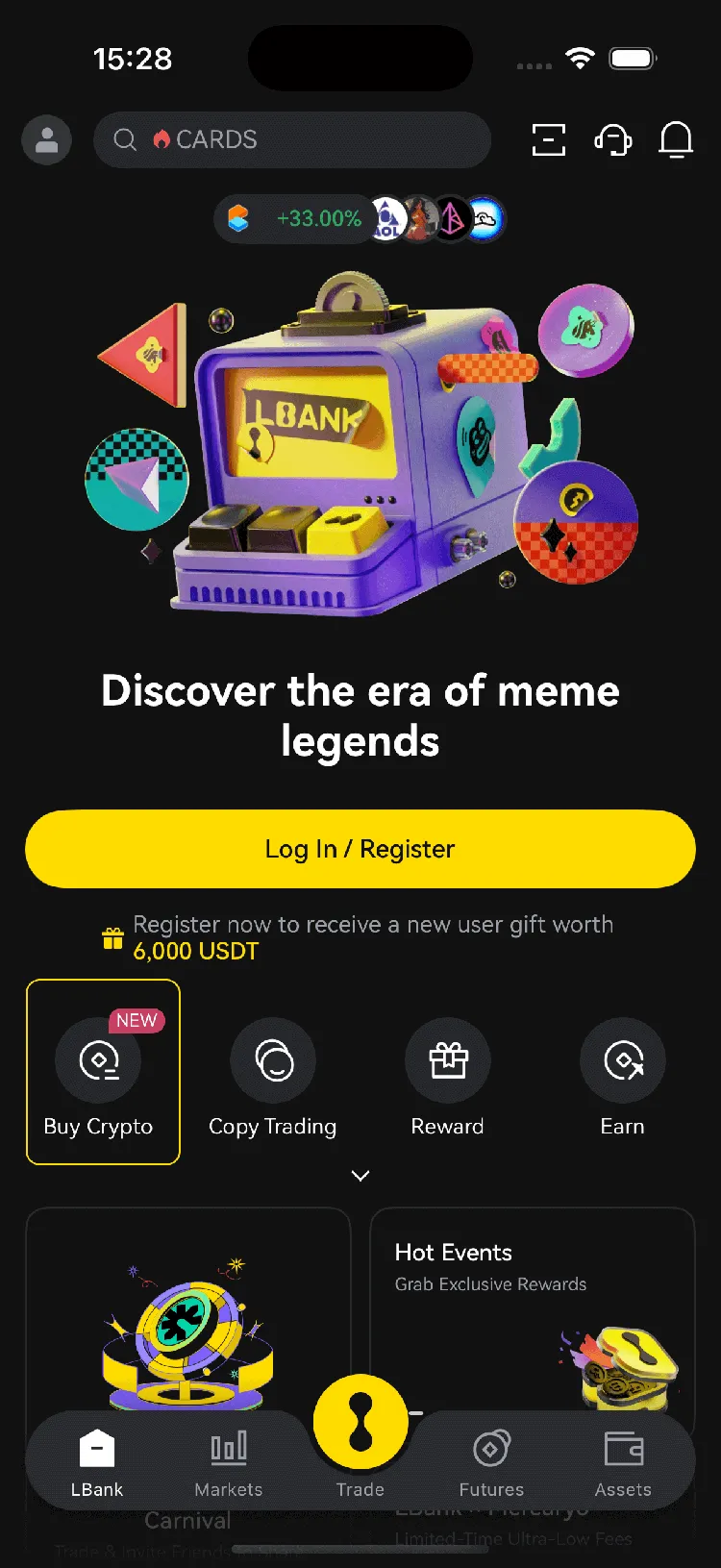
Step 1
Download the LBank App
Please download the LBank App and register to get started
Step 2
Fund your account
Deposit using your preferred payment method.
Step 3
Choose your cryptocurrency
Select the crypto you want to buy from over 3,000,000 cryptocurrencies available on LBank Exchange or Wallet.

Purchase Decision Overview

Credit / Debit Card

Credit / Debit Card

Fee
Variable Fees
Processing Time
Usually within 1 minute, up to 48 hours
Minimum Purchase Amount
Starting from approx. 10–15 USD
Supported Regions
Subject to region, fiat currency, issuing bank, and payment channel support
Bank Transfer / Local Transfer

Bank Transfer / Local Transfer

Fee
Variable Fees
Processing Time
Depends on the payment method; some local channels may be faster
Minimum Purchase Amount
Starting from approx. 1–10 USD
Supported Regions
Subject to local payment channel support

Three Simple Steps to Buy SUSDE on LBank

Register an LBank account

How to Buy SUSDE on LBank: Payment Methods Overview

Explore the available payment methods for buying SUSDE on LBank, including credit card, debit card, bank transfer, Apple Pay, Google Pay, PayPal, and P2P, to quickly choose the most suitable way to buy SUSDE.

Credit / Debit Card
Credit / Debit Card
Processing Time: Usually within 1 minute; up to 48 hours
Use a Visa/Mastercard that supports international online transactions and ensure 3D Secure is enabled; if it fails, try a different card or try again later
Common Reasons for Failure: The issuing bank declined the cryptocurrency transaction; insufficient balance; 3D Secure verification failed; risk control interception; or region/card network not supported
Bank Transfer / Local Transfer
Processing Time: Instant or 1–3 Business Days
Verify the receiving account, reference code, and transfer network, and use a bank account consistent with your identity verification
Common Reasons for Failure: Incorrect receiving information or reference code; name mismatch; bank processing delay; or unsupported transfer network

What Do You Need to Prepare Before Buying Ethena Staked USDe (SUSDE) on LBank?

Check the preparations required before buying Ethena Staked USDe (SUSDE) on LBank, including account registration, identity verification (KYC), payment methods, regional availability, and pre-purchase precautions to help you smoothly complete the BTC purchase process.

Suitable for
Users who want to quickly buy SUSDE with fiat
Before You Buy: Checklist
Register and log in to your account
Complete required KYC
Prepare payment method
Confirm regional availability,Check limits / fees / processing time
User Path
Buy Crypto

How to Buy Ethena Staked USDe on LBank – Step-by-Step Guide

Before you begin, decide how you’d like to pay:

Pay with fiat

If you're new to crypto, using fiat currency (such as USD, EUR, etc.) is the easiest way to buy Ethena Staked USDe. LBank supports various payment methods, including debit cards, credit cards, bank transfers, and other local payment options where available. You may need to fund your LBank account before making a purchase.

Pay with other cryptocurrencies

If you already hold other cryptocurrencies, you can trade them for Ethena Staked USDe on LBank. Please make sure that LBank supports the trading pair you need (e.g., Bitcoin (BTC)). LBank offers a wide range of trading pairs, allowing you to conveniently convert your existing crypto into Ethena Staked USDe.

LBank supports multiple payment methods

You can use the following payment methods to purchase Ethena Staked USDe on LBank:

Debit card
Credit / Debit Card
PayPal
Apple Pay
Google Pay

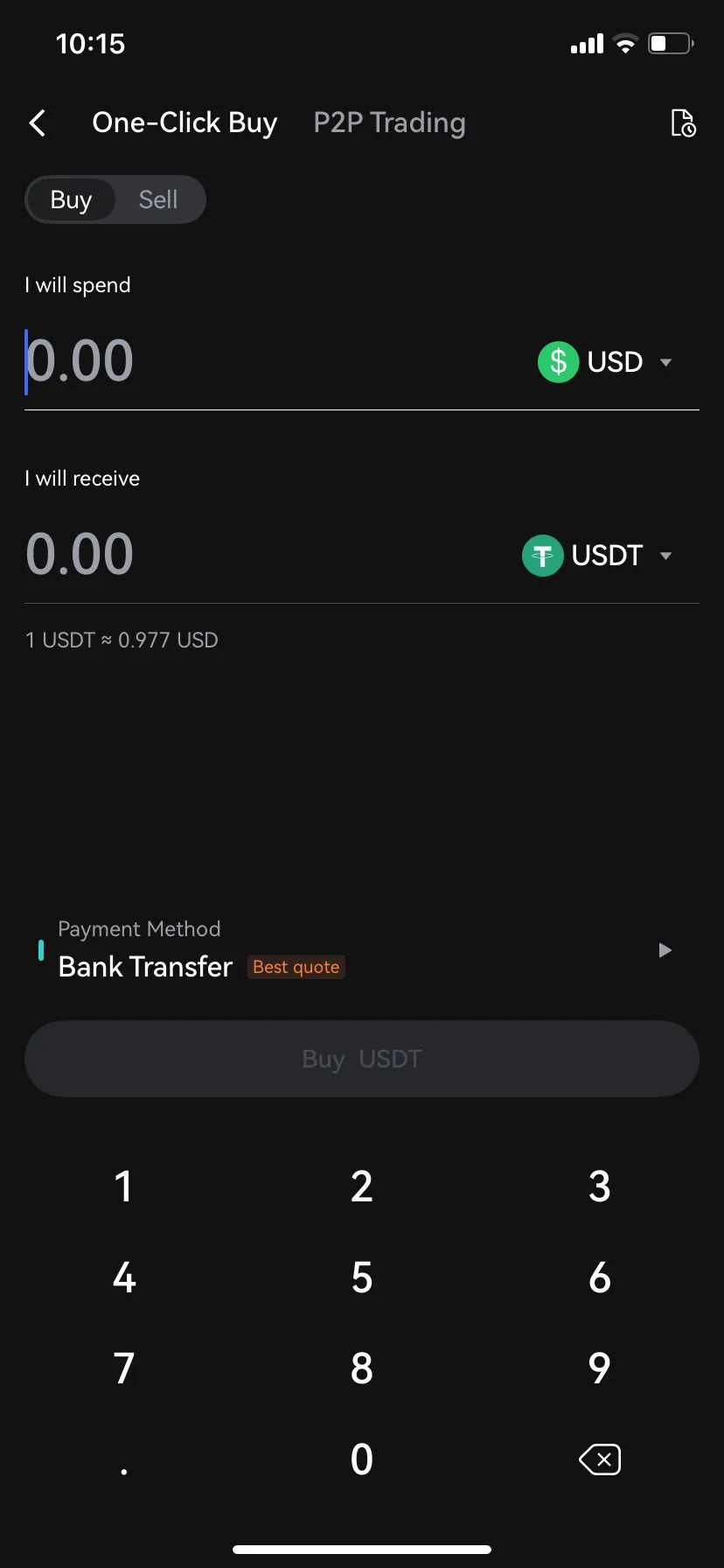
Mobile app guide

1
Open the LBank mobile app and tap “Buy Crypto”
2
Select “Buy”
3
Choose , enter the fiat currency you want to use, input the amount, then tap “Buy” or “Confirm”

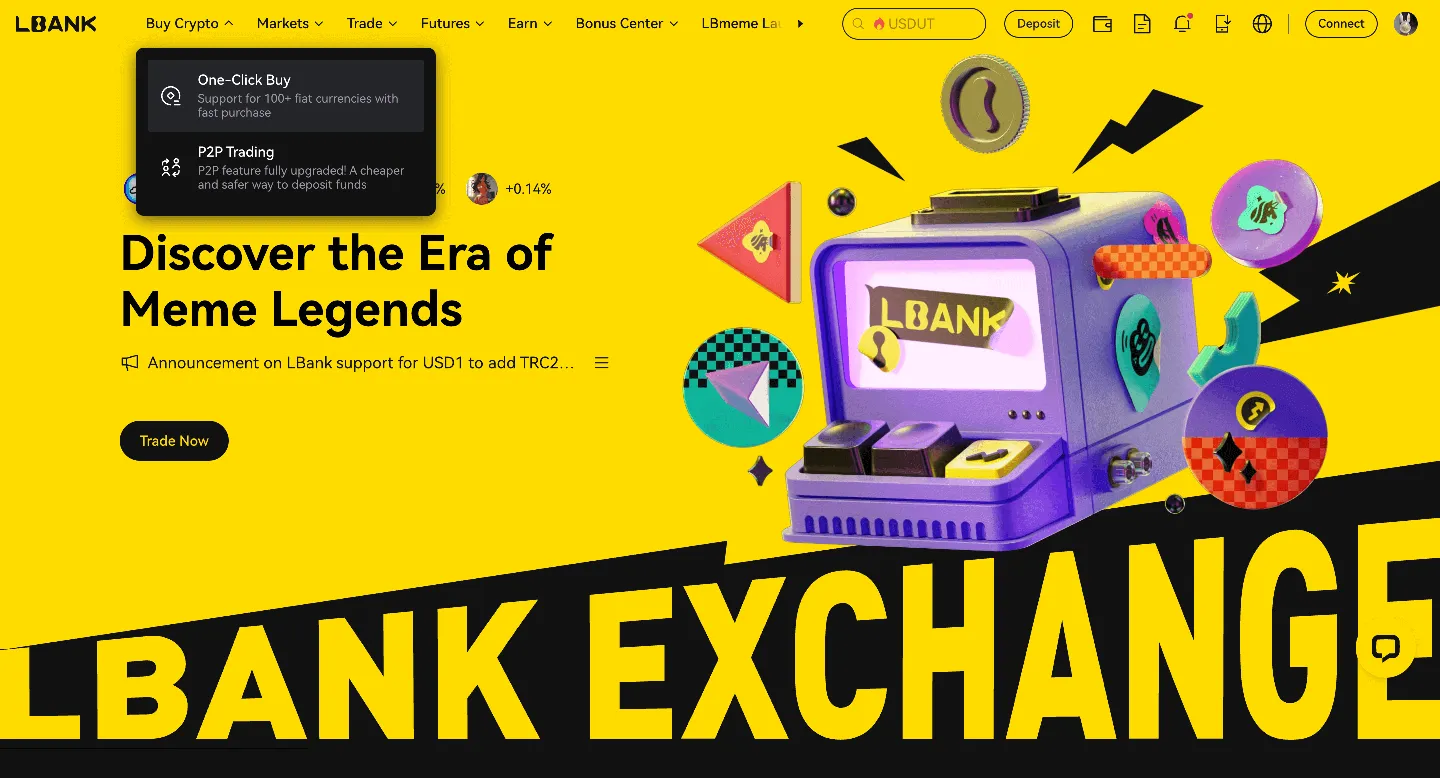
Desktop guide

1
Log in to LBank on your desktop browser and click the “One-Click Buy” option.
2
Under the “One-Click Buy” tab:

(a). Choose the fiat currency you want to use

(b). Select the Ethena Staked USDe you want to purchase

(c). Enter an amount or use quick-select options (e.g., 100, 200, 500, max)
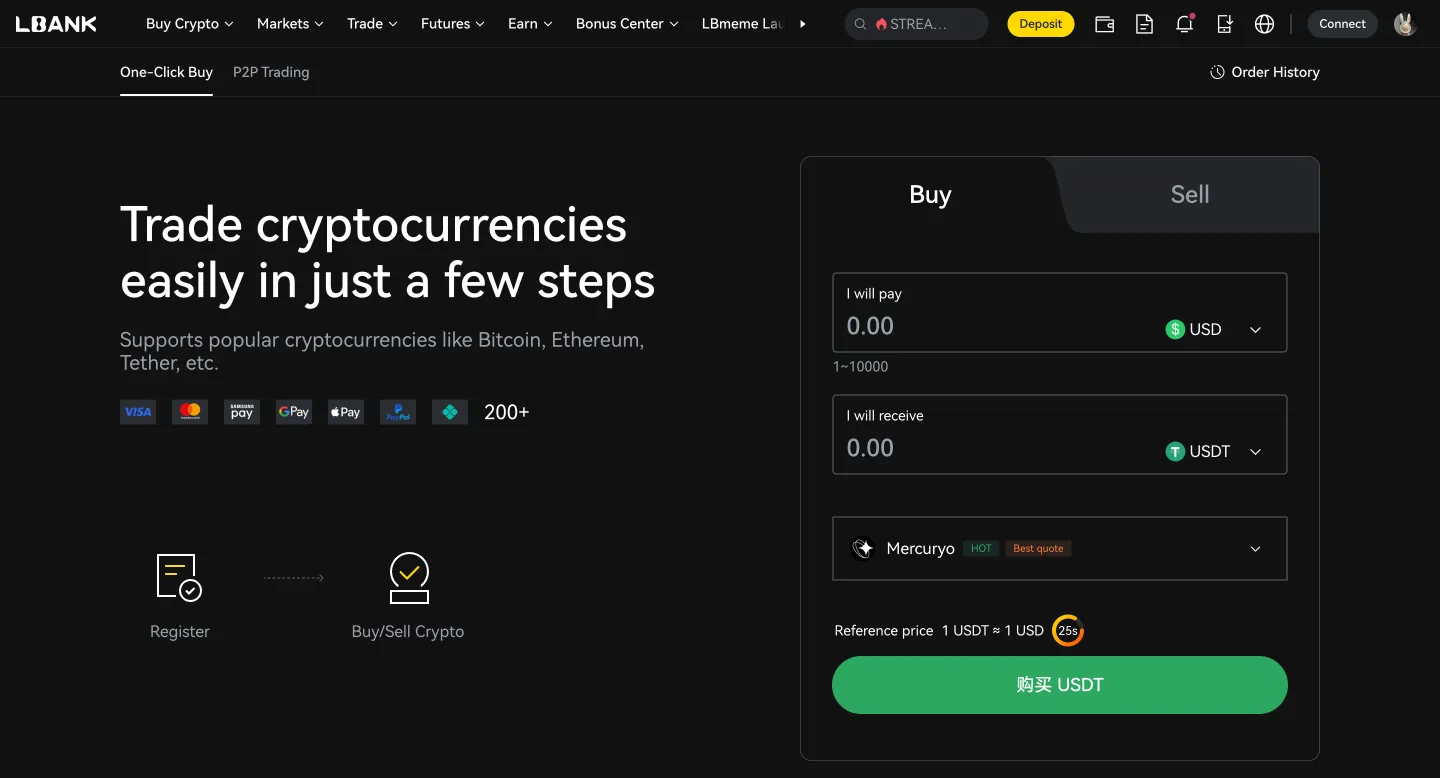
(d). Choose your payment method
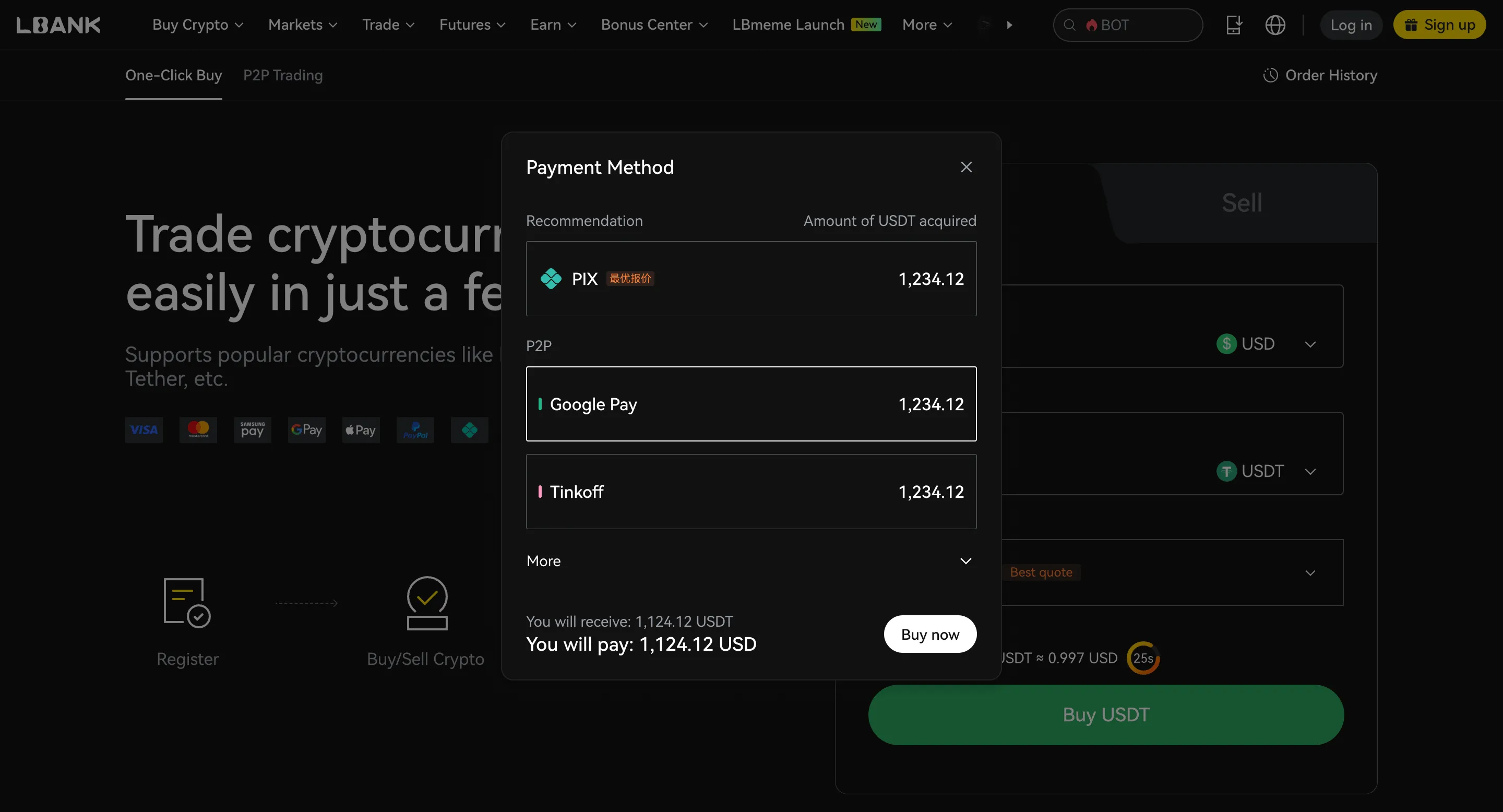
(e). Click “Confirm” or “Buy now”
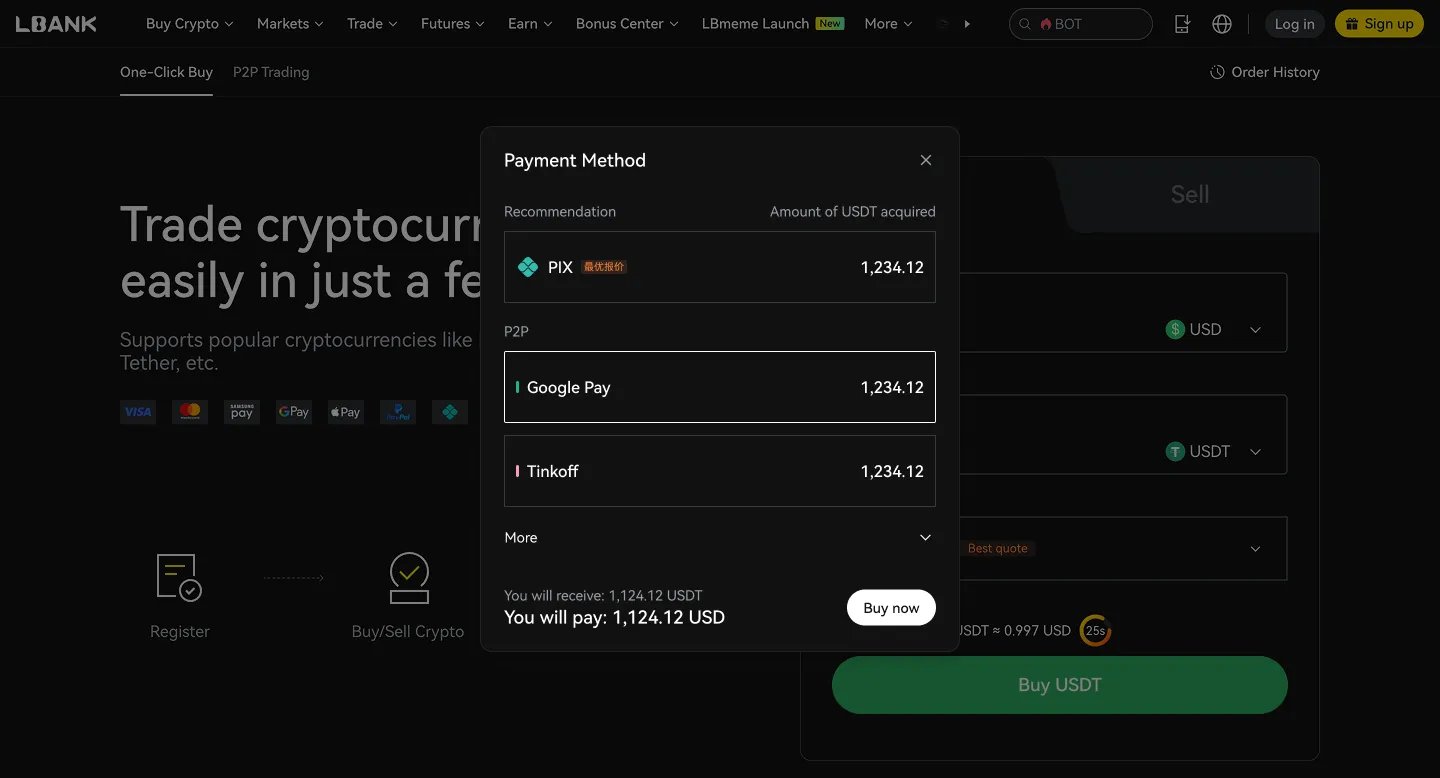
P2P Trading

Merchant
Price
Amount | Limit
Payment Method
Action
ON
ONLY-MALAYSAN-MYR
782 min | 100%
1.000 USD
3147.20 USDT
10.000 - 3000.000USD
Bank Transfer
MY
MYR_ DUITNOW_MYR
745 min | 100%
1.000 USD
1209.99 USDT
100.000 - 1209.990USD
Bank Transfer
MA
MALAYSIAN MYR_KING
1093 min | 100%
1.000 USD
1088.25 USDT
10.000 - 1088.250USD
Bank Transfer

What is Ethena Staked USDe (SUSDE)?

Ethena Staked USDe, commonly known by its ticker symbol sUSDe, is a yield-bearing synthetic token developed by Ethena Labs. It is built on the Ethereum blockchain and serves as the staked version of the protocol's synthetic dollar, USDe. The project aims to provide a decentralized, crypto-native alternative to traditional fiat-backed stablecoins and legacy banking systems. To understand sUSDe, it is necessary to understand the underlying USDe token. USDe is a synthetic asset designed to maintain a stable value relative to the US dollar without relying on traditional banking reserves. Instead, it uses a delta-neutral hedging strategy. This involves holding spot crypto assets, such as Ethereum or liquid staking tokens, and simultaneously opening equal and opposite short positions in the perpetual futures market. This balance is intended to ensure that the value of the collateral remains stable regardless of market volatility. sUSDe is created when users stake their USDe tokens into the Ethena protocol. It functions as a reward-bearing instrument, often referred to by the project as an Internet Bond. Unlike some staking models where users receive additional tokens over time, sUSDe is designed to accrue value. This means the number of sUSDe tokens in a user's wallet typically remains constant, but each token represents an increasing claim on the underlying USDe as rewards are added to the protocol's staking pool. The rewards distributed to sUSDe holders come from two primary sources. The first is the staking yield generated by the spot assets held as collateral, such as rewards from staked Ethereum. The second source is the funding payments received from the short futures positions maintained by the protocol. These earnings are collected and distributed to those who have staked their tokens. In the broader Web3 ecosystem, sUSDe is utilized as a foundational asset for decentralized finance. It can be used for long-term savings, as collateral in various lending and borrowing protocols, or as a liquidity source in trading pools. By providing a way to earn rewards while maintaining exposure to a dollar-pegged asset, it allows participants to engage with the digital economy without needing to move assets into traditional fiat currencies. The project emphasizes transparency and decentralization, seeking to build a financial utility that operates independently of traditional global banking infrastructure. Learn more

Is Ethena Staked USDe (SUSDE) a good investment?

Whether Ethena Staked USDe (SUSDE) is a good investment depends on your personal financial situation and risk tolerance. Cryptocurrency investments are speculative and can be highly volatile.


Before investing in Ethena Staked USDe (SUSDE) or any cryptocurrency, consider the following:

Your financial goals
Are you seeking short-term gains or long-term growth?
Your risk tolerance
Your risk tolerance
How much potential loss are you comfortable with?
Diversification
Diversification
Don’t put all your eggs in one basket. Spread your investments across different types of assets.
Your goals and time horizon
Cryptocurrencies are best suited for long-term investors. Disclaimer: This is not financial advice. Please do thorough research before making any investment decisions.

Fees, limits, and processing time for buying SUSDE on LBank

Compare fees, transaction limits, and estimated processing times across different payment methods. Actual fees and availability may vary by region, fiat currency, payment method, and third-party providers. Please refer to the order page for final details.

ROI calculator

If I invest, how much profit will I make?
Invest
$
Enter
SUSDE
Date
2026-05-27
You will earn $-- in profit, with an ROI of --

What can you do with Ethena Staked USDe (SUSDE)?

Investment
Buy and hold Ethena Staked USDe (SUSDE), expecting its value to increase over time.
Investment
Trade
Actively trade Ethena Staked USDe (SUSDE) on LBank to profit from price fluctuations.
Trade
Pay
Use Ethena Staked USDe (SUSDE) to pay for goods and services where accepted.
Pay

Why is LBank the best platform to buy Ethena Staked USDe (SUSDE)?

User-friendly interface
LBank offers a simple and intuitive platform for buying and selling Ethena Staked USDe (SUSDE).
Competitive fees
Competitive fees
LBank provides competitive trading fees for Ethena Staked USDe (SUSDE).
Secure platform
Secure platform
LBank applies robust security measures to protect your funds.
Diverse trading pairs
LBank offers a wide range of trading pairs for Ethena Staked USDe (SUSDE).
24/7 customer support
LBank provides customer support to help you with any questions or issues.
Mobile app
Mobile app
Trade Ethena Staked USDe (SUSDE) anytime, anywhere using the LBank mobile app.
High liquidity
High liquidity
LBank offers excellent liquidity for Ethena Staked USDe (SUSDE) trading, ensuring you can easily buy and sell your crypto assets.
Regulatory compliance
LBank complies with all regulatory requirements in the jurisdictions where it operates to ensure a compliant and secure trading environment

After buying SUSDE, what is the best way to store it?

After buying SUSDE, you can choose a storage method based on your usage frequency, holding period, and security needs. If you need to trade at any time, you can store it in your LBank account. If you prioritize self-custody or long-term security, consider using a personal wallet or a hardware wallet.

Store in your LBank account

Store in your LBank account

Suitable for
Users who want to trade or convert at any time
Short-term BTC holders
Features
Ready to use immediately after purchase; easier to use
Ideal for frequent trading, conversions, or using platform features
Security Alert
Please enable 2FA
Please set an anti-phishing code
Only log in through official channels
Transfer to a personal hot wallet

Transfer to a personal hot wallet

Suitable for
Users who want to manage their own assets
Users who need daily transfers or on-chain usage
Features
More flexible; convenient for daily transfers and management
Better suited for small holdings and everyday use
Security Alert
Do not store seed phrases or private keys in the cloud
Do not save sensitive information via chat tools, email, or screenshots
Stay alert for phishing websites and fake wallet apps
Transfer to a hardware wallet

Transfer to a hardware wallet

Suitable for
Long-term BTC holders
High-value holders who prioritize security
Features
Private keys are stored offline, offering enhanced security
Ideal for long-term storage of infrequently moved assets
Security Alert
Securely back up seed phrases offline
Never disclose your recovery phrase to anyone
Assets may be irrecoverable if the seed phrase is lost

Ethena Staked USDe (SUSDE) FAQ

USDe represents the Ethena protocol's base synthetic dollar, designed to maintain a peg to $1. It does not inherently generate yield. In contrast, sUSDe is the staked version of USDe. Users must stake their USDe to receive sUSDe, which then accrues protocol rewards. Holding sUSDe means your underlying value increases over time as rewards are added to the staking contract, while your sUSDe balance remains constant.
sUSDe's high yield originates from two distinct, "real" sources within the crypto market. First, a significant portion comes from staking rewards generated by the underlying Ethereum (ETH) and Liquid Staking Tokens (LSTs) used as collateral. These assets earn rewards from the Ethereum consensus layer. Second, the protocol implements a "delta-neutral" hedging strategy by shorting ETH and BTC futures. In typical bull markets, those holding long positions pay "funding fees" to those with short positions. Ethena collects these funding fees, further enhancing the yield.
No, sUSDe is not a rebasing token. Unlike tokens where your balance changes to reflect earned rewards, sUSDe is a reward-bearing token, akin to wrapped staked Ethereum (wstETH). This means your actual balance of sUSDe tokens remains constant in your wallet. Instead, the intrinsic value of each sUSDe token increases over time relative to USDe. Rewards accumulate within the underlying staking contract, causing each sUSDe to represent a progressively larger amount of USDe, reflecting the yield earned by the protocol.
Negative funding rates pose a significant challenge, as the protocol's short positions would then have to pay long position holders, potentially leading to a loss of revenue. Ethena mitigates this through several layers. Firstly, it maintains a robust Insurance Fund specifically designed to absorb such losses. Secondly, the fundamental staking yield from the underlying ETH collateral provides a base income that can help offset periods of moderately negative funding rates. This combined approach aims to stabilize the protocol's yield and backing even during sustained bearish market conditions.
Ethena strongly distinguishes itself from past failures like Terra's UST. The key difference lies in its collateralization mechanism. USDe is fully collateralized by external, liquid crypto assets such as Bitcoin (BTC) and Ethereum (ETH), along with their staked derivatives. It does not rely on a complex, circular relationship with a volatile, unbacked governance token to maintain its peg. This external, provable backing is crucial. While risks remain, the protocol's design emphasizes over-collateralization and delta-neutral hedging rather than algorithmic reliance on an ecosystem token, aiming for a more resilient architecture against "death spiral" scenarios.
When you decide to unstake your sUSDe and convert it back into USDe, the Ethena protocol imposes a 7-day cooldown period. During this specific timeframe, your funds are locked within the protocol and become inactive. Importantly, throughout this 7-day cooldown, your sUSDe will not accrue any further rewards from the protocol. This mechanism helps manage liquidity and prevents rapid exits that could destabilize the system, ensuring an orderly process for redemptions.

How to buy other crypto assets