

Ursprünge von Shiba Inu
Shiba Inu wurde im August 2020 vom pseudonymen Schöpfer Ryoshi gestartet und als dezentrales soziales Experiment konzipiert. Zu einer Zeit, als die meisten Krypto-Projekte auf Risikokapital, private Finanzierungsrunden und vorab zugewiesene Gründertoken angewiesen waren, lehnte SHIB diese Konventionen bewusst ab.
Ryoshi stellte sich ein Protokoll vor, dessen Verlauf in erster Linie von der Gemeinschaft geleitet werden sollte, wobei soziale Koordination und kollektives Engagement ebenso eine Rolle spielten wie die technische Entwicklung bei der Bestimmung des Erfolgs des Projekts.
Ryoshis Designphilosophie
Ryoshis Vision wurde von einer Kombination aus kulturellen Memes, dezentraler Ideologie und dem Wunsch beeinflusst, zu erforschen, was ein vollständig gemeinschaftlich gesteuerter Token erreichen könnte. Teilweise inspiriert durch die Popularität von Dogecoin, wurde SHIB nicht nur als Spaßwährung, sondern als Testumgebung für aufkommende Verhaltensweisen in Tokenomics, Governance und dezentraler Koordination entworfen.
Der Schwerpunkt des Starts auf Transparenz und Fairness spiegelte Ryoshis Überzeugung wider, dass das Entfernen von Vorteilen durch frühes Kapital dazu beitragen würde, eine reinere Form des Netzwerkwachstums zu schaffen, selbst wenn dies bedeutete, in den ersten Monaten ein höheres operatives Risiko in Kauf zu nehmen.
Um diese Vision zu verwirklichen, verzichtete die Startstruktur von SHIB bewusst auf mehrere gängige Branchenpraktiken, die damals bei den meisten Krypto-Projekten Standard waren:
- Keine Beteiligung von Risikokapital: um sicherzustellen, dass externe Investoren keinen übermäßigen Einfluss auf die Ausrichtung des Projekts oder die Token-Verteilung ausüben können.
- Keine Seed- oder Private-Finanzierungsrunden: was bedeutete, dass das Projekt nicht auf vorab arrangierte finanzielle Unterstützung angewiesen sein konnte, sodass die frühe Entwicklung und Liquiditätsgenerierung vollständig von der Community abhingen.
- Keine Gründer-Token-Zuteilung: um zu verhindern, dass Insider übermäßig profitieren und potenziellen frühen Verkaufsdruck zu beseitigen, der den Markt destabilisieren könnte.
- Kein formeller Fahrplan zu Beginn: was die Entwicklung des Projekts offen ließ, geleitet durch kollektive Experimente statt vordefinierter Meilensteine.
- Kein zentrales Team, das Governance oder Entwicklung diktiert: das bedeutete, dass Koordination, Entscheidungsfindung und Umsetzung vollständig von freiwilligen Mitwirkenden und dem Community-Konsens abhingen.
- Keine Abhängigkeit von vorab verhandelten Börseneinträgen oder Liquiditätsvereinbarungen: was SHIB zwang, organisch zu wachsen und die Widerstandsfähigkeit der gemeinschaftsgetriebenen Nachfrage zu testen.
Diese Struktur beseitigte frühen Insider-Verkaufsdruck, brachte jedoch ein anderes Risikoprofil mit sich, bei dem Koordination, Governance und Entwicklung fast ausschließlich von der Ausrichtung der Community abhingen.
Aktueller Stand von Shiba Inu
Im Jahr 2025 hat sich Shiba Inu in fünf Jahren von einem memegetriebenen sozialen Experiment zu einem vollständigen Krypto-Ökosystem mit echter Infrastruktur, mehreren Utility-Token und einer aktiven weltweiten Community entwickelt. SHIB ist nicht mehr nur ein einzelner spekulativer Token; es unterstützt jetzt mehrere Vermögenswerte, darunter LEASH, BONE und TREAT, die jeweils eine eigene Rolle in Governance, Nutzen und Belohnungen haben.
Das Ökosystem konzentriert sich auf ShibaSwap, eine dezentrale Börse, die die Liquidität innerhalb des Netzwerks hält, zur Teilnahme anregt und die Token-Nutzung stärkt. Gleichzeitig ermöglicht die Layer-2-Blockchain Shibarium schnellere Transaktionen und beinhaltet Verbrennungsmechanismen, die das zirkulierende Angebot allmählich reduzieren, wodurch SHIB eine On-Chain-Wirtschaftsfunktion erhält, die über Community-Aufmerksamkeit und Hype hinausgeht. Die Governance wird durch BONE-Vorschläge geregelt, die es Token-Inhabern ermöglichen, an Entscheidungen teilzunehmen, obwohl die Beteiligung noch uneinheitlich ist, was die Herausforderungen dezentraler Koordination zeigt.
Die technischen und Governance-Systeme werden von einer engagierten globalen Gemeinschaft getragen, bekannt als die SHIB Army. Diese Gruppe spielt eine Schlüsselrolle bei der Aufrechterhaltung des Ökosystems, der Förderung der sozialen Dynamik und der Unterstützung der Liquidität in Zeiten von Marktturbulenzen. Ihre koordinierten Aktionen waren entscheidend für das langfristige Überleben von SHIB. Somit hat sich aus einem Meme-Token ein funktionierendes Ökosystem entwickelt, in dem Technologie und Gemeinschaft zusammenarbeiten, um dessen Entwicklung, Widerstandsfähigkeit und Relevanz im breiteren Kryptomarkt zu gestalten.
Warum SHIB frühe Herausforderungen überlebte
Bevor wir in die entscheidenden Ereignisse der Versorgung eintauchen, ist es wichtig zu verstehen, wie SHIB es geschafft hat, trotz seiner experimentellen Ursprünge und fehlender institutioneller Unterstützung zu bestehen. Bis 2025 hatte das Shiba Inu-Ökosystem durch mehrere strukturelle und verhaltensbedingte Faktoren seine Widerstandsfähigkeit gezeigt:
- \n
- Gemeinschaftsgetriebene Dynamik: Die SHIB-Armee hat konsequent Narrative verstärkt und die Liquidität verteidigt, wodurch die Wahrscheinlichkeit eines vollständigen Zusammenbruchs in Abschwungphasen verringert wurde. \n
- Signalwirkung der Token-Verteilung: Trotz des Fehlens formaler Gründerzuweisungen schuf das Verhalten der Wale konzentrierte, aber halbwegs vorhersehbare Ströme, die die Marktdynamik prägten. \n
- Experimentelle Governance: Die frühe Abhängigkeit von freiwilligen Beiträgern etablierte eine Kultur der dezentralen Koordination, die später die Einführung von Multi-Token-Ökonomien und Shibarium ermöglichte. \n
- Deflationäre Psychologie: Schon vor den formellen Burns behandelten Marktteilnehmer das enorme Angebot an SHIB mit einer auf Knappheit bedachten Verhaltensweise, insbesondere als die Aufmerksamkeitszyklen zunahmen. \n
\n
Diese Faktoren bereiteten den Boden für transformative Ereignisse wie den Vitalik Buterin Angebots-Schock, bei dem strategische Eingriffe in das Angebot das Ökosystem dauerhaft umgestalten könnten. Das Verständnis dieses Kontexts ist entscheidend, um SHIB jenseits bloßer Kursbewegungen oder Meme-Erzählungen zu bewerten.
SHIB Live-Preisdiagramm
SHIB() Preis
Der aktuelle Preis von
Der Vitalik Buterin Versorgungsschock
Der Vitalik Buterin Versorgungsschock war ein entscheidender Moment, der das Shiba Inu Ökosystem dauerhaft veränderte. Im Mai 2021 schickte Ryoshi ungefähr 500 Billionen SHIB, was die Hälfte des Gesamtangebots darstellt, an den Ethereum-Mitbegründer Vitalik Buterin. Diese Aktion verfolgte mehrere Ziele gleichzeitig: ein unwiderrufliches Zeichen der Dezentralisierung durch die Entfernung der Kontrolle des Schöpfers zu setzen, Vertrauen in eine weithin respektierte neutrale Figur zu verankern und ein klares, überprüfbares Bekenntnis zu einer nicht-extraktiven Designphilosophie zu geben. Weit davon entfernt, eine bloße philanthropische Geste zu sein, spiegelte dieser Schritt strategische Spieltheorie wider, formte die Marktwahrnehmung und das Vertrauen der Gemeinschaft.
Nach Erhalt der Token vernichtete Buterin ungefähr 90 Prozent, indem er sie an eine unzugängliche Adresse sandte und spendete den verbleibenden Teil an gemeinnützige Initiativen, die hauptsächlich die COVID-19-Hilfsmaßnahmen unterstützten. Die unmittelbaren Auswirkungen auf den Markt waren tiefgreifend. Das effektiv zirkulierende Angebot von SHIB sank plötzlich und dauerhaft, wodurch eine Knappheit entstand, die zur Kursbewegung beitrug. Die Berichterstattung über das Ereignis erreichte ein Publikum weit über die Kryptomedien hinaus und verwandelte SHIB schnell von einem Nischen-Meme-Token in ein weithin anerkanntes Mainstream-Phänomen.
Die langfristigen Folgen dieses Ereignisses prägen SHIB bis heute. Token-Vernichtungen wurden zu einem zentralen Bestandteil des wirtschaftlichen Modells des Projekts und signalisieren das Engagement für deflationäre Prinzipien. Außerdem wurde SHIBs Identität indirekt mit der weiter gefassten Legitimität von Ethereum verbunden, was Vertrauen stärkt und eine Brücke zwischen Memekultur und mainstream Blockchain-Glaubwürdigkeit bildet.
SHIB Tokenomics
SHIB wurde mit einem festen Angebot von einer Billiarde Tokens eingeführt, eine Designentscheidung, die sicherstellt:
- Es gibt keine Mint-Funktion: wodurch die Erstellung zusätzlicher Tokens verhindert wird und das Angebot begrenzt bleibt.
- Inflation ist strukturell unmöglich: wodurch das Risiko einer Verwässerung der Inhaber im Laufe der Zeit entfällt.
- Deflation erfolgt nur durch explizite Verbrennungsmechanismen: die von den Teilnehmern gesteuert werden und nicht automatisch durch das Protokoll durchgesetzt werden.
Wesentlich ist, dass diese Verbrennungen vom Verhalten der Gemeinschaft angetrieben werden und nicht von Protokollregeln, was ihre zeitliche Lage und Wirkung weniger vorhersehbar und abhängig von der allgemeinen Aktivität des Ökosystems macht.
Verbrennungsdynamik von SHIB
Die Wirkung der Verbrennungen hängt davon ab, wann sie stattfinden, wie groß sie im Verhältnis zum gesamten umlaufenden Angebot sind und wie hoch die Aktivität im Ökosystem zu diesem Zeitpunkt ist. Manche Verbrennungen finden während Phasen hoher Gemeinschaftsbeteiligung oder Transaktionsvolumina statt, wodurch ihre Wirkung auf Knappheit und Marktauffassung verstärkt wird. Andere passieren in Phasen geringer Aktivität und erzeugen nur minimale wirtschaftliche oder narrative Auswirkungen. Das Verständnis dieser Faktoren ist entscheidend, um die deflationären Dynamiken von SHIB und den tatsächlichen Einfluss der Verbrennungen auf die Zirkulation, den Wert und die langfristige Gesundheit des Ökosystems zu bewerten.
\n
- \n
- \n
Verbrennungsereignisse sind unregelmäßig: sie treten in ungleichen Abständen auf und folgen keinem festen Zeitplan.
\n \n - \n
Viele Verbrennungen basieren auf Stimmungen statt auf Nutzung: beeinflusst von Marktenthusiasmus, Gemeinschaftsinitiativen oder Erzählmomentum.
\n \n - \n
Die relative Wirkung ist begrenzt, es sei denn, sie ist an anhaltende Transaktionsaktivitäten gebunden: das bedeutet, die Effektivität von Verbrennungen hängt von einer nachhaltigen Beteiligung im Ökosystem ab und nicht von einzelnen Ereignissen.
\n \n
\n
Zitat aus ShibPaper (Shiba Inus WorldPaper)
\n\"Wenn Shib in demokratischen Abstimmungen verwendet wird, kann jeder Shibizen, unabhängig vom Umfang seiner Shib-Bestände, seine Stimme erheben, solange er EINEN Shib besitzt. Seine individuelle Stimme wird zu einem Faden im großen Wandteppich unseres Entscheidungsprozesses.\"
Shiba Inus Multi-Token-Architektur
Warum SHIB über einen einzelnen Token hinaus expandierte
Mit der Reifung des Ökosystems adoptierte SHIB eine Multi-Token-Struktur, um eine Überlastung der Anreize zu vermeiden, da die Konzentration von Governance, Utility, Gasgebühren, Belohnungen und Spekulation in einem einzigen Asset konkurrierende Anreize schafft, die das langfristige Wachstum destabilisieren.
In einem Ein-Token-System wird erwartet, dass derselbe Token gleichzeitig als spekulatives Asset, Tauschmittel, Governance-Instrument und Belohnungsmechanismus fungiert. Dies führt zu strukturellen Spannungen. Governance-Teilnehmer werden dazu angereizt, kurzfristige Kurssteigerungen über die Gesundheit des Netzwerks zu stellen. Die Nutzung der Utility wird während Spekulationsphasen teuer. Emissionsbasierte Belohnungen verwässern Inhaber, die nicht aktiv teilnehmen.
Im Laufe der Zeit verringern diese Konflikte die Effizienz und entmutigen eine nachhaltige Entwicklung.
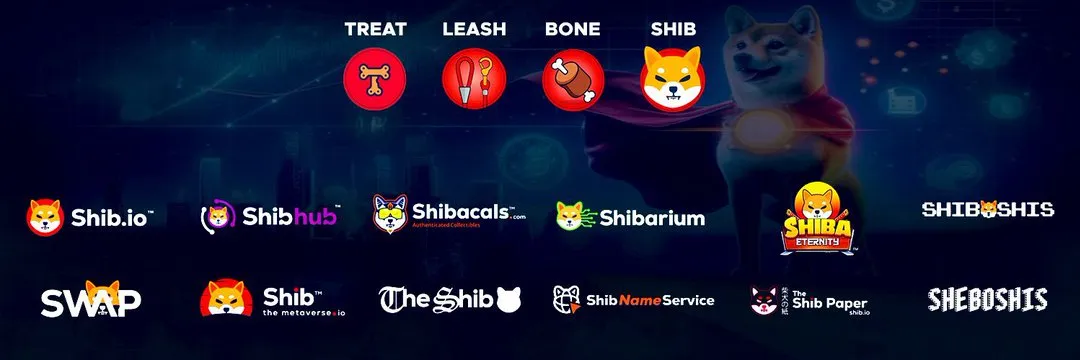
Durch die Aufteilung der Rollen auf mehrere Tokens reduzierte SHIB diese Konflikte. SHIB blieb das primäre Liquiditäts- und Branding-Asset. BONE wurde zum Governance- und Gas-Token für Shibarium, welcher Stimmrechte mit aktiver Ökosystembeteiligung anstatt passivem Halten verknüpft. LEASH führte Knappheit und Signale für frühe Teilnehmer ein. TREAT wurde entwickelt, um Anreize und Belohnungen zu handhaben, ohne die zirkulierende Versorgung von SHIB direkt aufzuinflationieren.
Diese Trennung spiegelt die Architektur ausgereifterer Blockchain-Systeme wider, bei denen wirtschaftliche Funktionen bewusst entkoppelt werden, um Anreizklarheit zu bewahren. Im Falle von SHIB ermöglichte das Multi-Token-Modell, dass Spekulation, Governance, Nutzen und Belohnungen koexistieren können, ohne sich gegenseitig zu beeinträchtigen, was die Fähigkeit des Ökosystems verbessert, über memogetriebene Zyklen hinaus zu skalieren.
Shiba Inu Token sind:
- SHIB fungiert als primärer Liquiditäts- und Branding-Token
- LEASH bietet Knappheit und Signalisierung früher Teilnehmer
- BONE ermöglicht Governance und dient als Gas auf Shibarium
- TREAT ist für Belohnungen, Anreize und tiefere Ökosystemausrichtung konzipiert
ShibaSwap
ShibaSwap wurde nicht entwickelt, um neuartige Automated Market Maker (AMM)-Mechaniken einzuführen. Im Gegensatz zu Uniswap oder SushiSwap, die mit fortschrittlichen Protokollfunktionen, Gebührenstrukturen oder Cross-Chain-Integrationen konkurrieren, liegt der strategische Wert von ShibaSwap darin, Liquidität zu halten, Teilnahme zu incentivieren und das SHIB-Ökosystem zu stärken.
Seine strategischen Funktionen umfassen:
- \n
- Liquidität im SHIB-Ökosystem erhalten: Sicherstellung, dass Token im Umlauf bleiben und für Staking, Handel und gemeinschaftsgetriebene Initiativen verfügbar sind. \n
- Teilnahme durch BONE-Emissionen belohnen: Anreize für Benutzer schaffen, sich an Governance, Staking und anderen Aktivitäten des Ökosystems zu beteiligen. \n
- Kapitalabfluss während spekulativer Zyklen reduzieren: Unterstützung zur Stabilisierung des Token-Werts und zur Erhaltung der langfristigen Gesundheit des Netzwerks. \n
\n
Statt sich als Vorreiter technischer Innovation zu positionieren, dient ShibaSwap als defensive Infrastruktur, ein Mechanismus zum Schutz des Ökosystems, zur Erhaltung der Liquidität und zur Ausrichtung der Benutzeranreize auf die langfristige Nachhaltigkeit des Netzwerks.
Shibarium
Shibarium wurde geschaffen, um grundlegende Einschränkungen im Shiba Inu-Ökosystem zu beheben und dessen langfristige Lebensfähigkeit zu gewährleisten, indem eine skalierbare, kostengünstige Plattform bereitgestellt wird, die in der Lage ist, die wachsende Nutzernachfrage, On-Chain-Transaktionen und Multi-Token-Wirtschaftsaktivitäten zu unterstützen.
Warum Shibarium notwendig war
- Ethereum-Gasgebühren beschränkten die Einzelhandelsbeteiligung
- Native Burn-Mechanismen fehlten in großem Umfang
- Das Ökosystem fehlte eine souveräne Ausführungsumgebung
Herausforderungen beim Start von Shibarium
Der anfängliche Rollout hatte mit Überlastung und technischen Reibungen zu kämpfen, was kurzfristig die Stimmung beeinträchtigte. Aus langfristiger Perspektive waren Überleben und Kontinuität wichtiger als ein reibungsloser Start.
Strategische Bedeutung von Shibarium
Wenn Shibarium eine konsistente Nutzung, Entwicklerakzeptanz und gebührengebundene Verbrennungsmechanismen erreicht, wird SHIB von einem rein narrativ getriebenen Vermögenswert zu einem, der teilweise durch wirtschaftliche Aktivität on-chain unterstützt wird.

Shiba Inu vs Dogecoin: Meme Coin vs Vollständiges Ökosystem
Während Dogecoin hauptsächlich als Zahlungstoken und kulturelles Meme bekannt ist, zielt Shiba Inu darauf ab, ein umfassendes, mehrschichtiges Blockchain-Ökosystem aufzubauen. Über den ursprünglichen Meme-Reiz hinaus hat sich SHIB auf dezentrale Finanzen (DeFi), NFTs, Staking und Governance ausgeweitet, was ihm einen breiteren Funktionsumfang als DOGE verleiht.
Nutzung, Entwicklung und Langfristige Vision
Der Fahrplan von SHIB legt Wert auf praktische Anwendungen und technologische Innovationen. Layer-2-Skalierung über Shibarium, NFT-Initiativen und Governance-Mechanismen bieten Nutzen über Zahlungen hinaus und positionieren SHIB als Plattform für nachhaltiges Ökosystemwachstum statt als Token mit Einzelzweck.
Wachstumspotenzial: Einfachheit vs Innovation
Dogecoin profitiert von Einfachheit und starker Markenbekanntheit, wodurch es für Gelegenheitsnutzer zugänglich ist. Shiba Inu hingegen bietet erhebliches technologisches Potenzial und ein schnell wachsendes Ökosystem, das Anleger anspricht, die Innovation, Gemeinschaftsengagement und langfristiges strategisches Wachstum priorisieren.
Gemeinschaft und kulturelle Dynamiken
Ein weiterer wesentlicher Unterschied liegt in den Gemeinschaften, die diese Token vorantreiben. Das Wachstum von Dogecoin wurde maßgeblich durch virale Kultur, Aufmerksamkeit in sozialen Medien und historische Erzählungen geprägt, was zu weitreichender Bekanntheit, aber begrenztem strukturellen Engagement führte. Shiba Inu hingegen vereint eine lebendige Gemeinschaft mit organisierter Governance, Staking und Anreizmechanismen. Die SHIB Army verstärkt nicht nur Memes; sie nehmen aktiv am Ökosystem teil, verteidigen die Liquidität in Abschwüngen und prägen Governance-Entscheidungen. Dieses Maß an koordinierter Beteiligung verleiht SHIB eine Resilienz und Anpassungsfähigkeit, die DOGE fehlt.
Vorteile von SHIB und DOGE

Wal-Power im SHIB-Angebot
Ein signifikanter Teil des zirkulierenden SHIB-Angebots ist in einer relativ kleinen Anzahl von Wallets konzentriert. Während einige davon von Börsen kontrollierte Wallets sind, die die tatsächliche Verteilung der Token verschleiern, sind andere große Inhaber, die echten Einfluss auf die Marktdynamik ausüben. Diese Wale akkumulieren Tokens in Zeiten geringer Aufmerksamkeit und verteilen sie häufig während von Privatkunden getriebener Hype-Zyklen neu.
Sie bewegen Tokens auch häufig durch interne Transfers oder außerbörsliche Transaktionen, was Flüsse schafft, die Volatilitätsphasen vorausgehen können, anstatt nur auf Marktbedingungen zu reagieren. Das Verständnis dieser Konzentration ist entscheidend für die Analyse der Preisdynamik und der strukturellen Realitäten des SHIB-Angebots.
SHIBs Governance in der Praxis
Shiba Inu verfügt über eine formelle Governance durch BONE-Vorschläge, die der Gemeinschaft die Teilnahme an Entscheidungen ermöglichen, die das Ökosystem betreffen. In der Praxis ist die Beteiligung begrenzt und der Einfluss ungleich verteilt. Die aktivsten Mitglieder, darunter große Token-Inhaber und erfahrene Community-Teilnehmer, haben einen größeren Einfluss auf die Ergebnisse als gelegentliche Wähler. Zentrale Aspekte der Governance umfassen:
- Begrenzte Wahlbeteiligung: Nur ein kleiner Bruchteil der Token-Inhaber beschäftigt sich mit den meisten Vorschlägen.
- Konzentration des Einflusses: Größere Inhaber oder sehr aktive Teilnehmer bestimmen oft die Richtung der Entscheidungen.
- Strategische Koordination: Führende Teilnehmer diskutieren und stimmen sich häufig über Vorschläge ab, bevor diese die formale Abstimmungsphase erreichen.
Die Entscheidungsfindung basiert sowohl auf On-Chain-Abstimmungen als auch auf Off-Chain-Koordination. Dieser Ansatz erlaubt es dem Ökosystem, Kontinuität zu wahren und strategische Prioritäten zu steuern. Die Governance funktioniert als Hybridsystem, bei dem formelle Strukturen existieren, jedoch der reale Einfluss von Token-Beständen, aktiver Beteiligung und Community-Insight abhängt.
Kulturelles Kapital als wirtschaftliche Infrastruktur: Der SHIB Army Effekt
Die SHIB Army stellt eine einzigartige Form von kulturellem Kapital dar, das das Shiba Inu-Ökosystem direkt unterstützt. Im Gegensatz zu traditionellen Token-Inhabern, die sich hauptsächlich auf Preisbewegungen konzentrieren, nimmt diese Gemeinschaft eine aktive Rolle bei der Gestaltung des Kurses von SHIB ein. Ihre koordinierten Aktionen erzeugen messbare wirtschaftliche Ergebnisse, die über die Spekulation hinausgehen. Wichtige Wege, wie die SHIB Army Wert schafft, umfassen:
- Marketingverstärkung ohne zentrale Ausgaben: Die Gemeinschaft verbreitet Bewusstsein, fördert die Adoption und stärkt die SHIB-Marke auf sozialen Plattformen, ohne auf formelle Marketingbudgets angewiesen zu sein.
- Liquiditätsverteidigung in Abschwungphasen: Durch die Unterstützung des Tokens in Zeiten von Marktschwäche hilft die SHIB Army, die Liquidität zu stabilisieren und extreme Abverkäufe zu verhindern.
- Schnelle Verbreitung von Narrativen: Mitglieder verbreiten schnell wichtige Informationen, koordinieren Kampagnen und halten die Beteiligung über mehrere Kanäle aufrecht, was SHIBs Sichtbarkeit und Marktmeinung stärkt.
Diese Bemühungen sind schwer zu replizieren und verleihen SHIB eine Widerstandsfähigkeit, die vielen anderen Tokens fehlt. Die SHIB Army fungiert nicht nur als Gemeinschaft, sondern als Rückgrat des Ökosystems. Ihr Einfluss reicht über die Online-Präsenz hinaus bis zu greifbaren wirtschaftlichen Auswirkungen, indem sie hilft, die Liquidität zu erhalten, Marktdynamiken zu formen und die Governance-Beteiligung zu stärken. Durch die Kombination von sozialer Koordination mit praktischen Maßnahmen verwandelt die SHIB Army kulturelles Engagement in eine messbare Kraft, die die langfristige Gesundheit und Nachhaltigkeit des Shiba Inu-Ökosystems unterstützt.
Quelle: Offizieller ShibArmy X Account
SHIBs Marktzyklen und Preisverhalten
Das Preisverhalten von SHIB wird durch eine Kombination aus strukturellen Faktoren, Gemeinschaftsdynamiken und tokenspezifischen Ereignissen geprägt. Das Verständnis seiner Marktzyklen erfordert einen Blick über einfache Preischarts hinaus auf die zugrundeliegenden Kräfte, die die Aktivität antreiben.
Primäre Preistreiber
Die Hauptfaktoren, die den Preis von SHIB beeinflussen, umfassen:
- Börsenein- und -ausflüsse großer Inhaber: Bewegungen von Walen signalisieren oft Veränderungen im Angebotsdruck und können kurzfristige Volatilität auslösen.
- Verbrennungsgeschwindigkeit statt Schlagzeilensummen: Das Timing und Tempo der Token-Burns beeinflussen die Wahrnehmung der Knappheit stärker als die absolute Anzahl der entfernten Token.
- Täglich aktive Adressen auf Shibarium: On-Chain-Aktivitäten bieten Einblicke in die tatsächliche Nutzung und Akzeptanz des Layer-2-Ökosystems.
- Soziale Dominanz im Verhältnis zu konkurrierenden Narrativen: Gemeinschaftliche Aufmerksamkeit, Meme-Verbreitung und Medienberichterstattung können Preisbewegungen verstärken oder abschwächen.
Strukturelle Volatilität
Der SHIB-Markt weist aufgrund seiner einzigartigen Tokenomics und gemeinschaftsgetriebenen Dynamik eine inhärente Volatilität auf. Zu den Faktoren, die zu dieser Volatilität beitragen, gehören ein extrem niedriger Einheitspreis, hohe Einzelhandelsbeteiligung und eine reflexive Rückkopplung zwischen Erzählung und Preis. Durch die gemeinsame Betrachtung dieser Treiber können erfahrene Marktteilnehmer das Verhalten des SHIB-Marktes besser interpretieren und zwischen vorübergehenden, hypegetriebenen Schwankungen und strukturellen Trends unterscheiden, die von Tokenomics, Gemeinschaftsaktivität und der Einführung von Layer 2 beeinflusst werden.
SHIB-Preischronik
Start
Shiba Inu startet als meme-gesteuertes soziales Experiment ohne institutionelle Unterstützung, und der Preis bleibt nahe Null, was das rein gemeinschaftlich getriebene Interesse widerspiegelt.
Vitalik Buterin Angebots-Schock
Ryoshi sendet 50 % des SHIB-Angebots an Vitalik Buterin, der 90 % verbrennt und den Rest spendet, was aufgrund der wahrgenommenen Knappheit und massiver Medienberichterstattung einen schnellen Preisanstieg auslöst.
Frühe Social-Hype-Welle
Die SHIB-Armee verstärkt Erzählungen in den sozialen Medien, wodurch große Einzelhandelsströme zu Börsen getrieben werden und eine bedeutende kurzfristige Preisrallye entsteht.
Allzeithoch (ATH)-Phase
SHIB erreicht seinen höchsten aufgezeichneten Preis von etwa 0,00008616 bis 0,00008845 USD, angetrieben durch massive Einzelhandelszuflüsse, Meme-Hype, Börsennotierungen und höchste Community-Dominanz.
Marktkorrektur
Nach dem breiteren Rückgang des Kryptomarktes erfährt SHIB eine starke Korrektur, da die spekulative Nachfrage nachlässt und die narrative Reflexivität schwächer wird, während die SHIB-Armee defensive Botschaften mobilisiert.
Shibarium-Testnet und L2-Hype
Ankündigungen zum Shibarium Layer-2-Projekt lösen kurzzeitige Preisrallyes aus, da das Entwicklerinteresse und On-Chain-Kennzahlen das Marktverhalten vorübergehend beeinflussen.
Verbrennungsinitiativen und NFT-Kampagnen
Gezielte Burn-Kampagnen und NFT-Initiativen bieten lokalisierten Support für den SHIB-Preis, aber nachhaltige Traktion bleibt von einer tieferen Ökosystem-Adoption abhängig und nicht nur von narrativen Faktoren.
Konsolidierung und Community-Resilienz
Der Preis konsolidiert sich in einem niedrigeren Bereich mit Unterstützung durch fortlaufendes Community-Engagement, Liquiditätsverteidigung und schrittweise Einführung von Shibarium und Ökosystemfunktionen.
Reifung des Ökosystems
Der SHIB-Preis spiegelt eine Mischung aus narrativen Einflüssen, Layer-2-Adoption und Multi-Token-Anreizen wider, wobei die SHIB-Armee das Engagement auch inmitten breiterer Krypto-Volatilität weiter vorantreibt.
Strukturelle Risikofaktoren des SHIB-Ökosystems
Trotz seines Wachstums und seiner Akzeptanz steht das Shiba Inu-Ökosystem vor mehreren strukturellen Risiken, die seinen langfristigen Verlauf beeinflussen könnten. Anhaltende Rückgänge im Engagement der Community könnten die Liquidität verringern, den narrativen Einfluss schwächen und die Effektivität der Governance-Mechanismen mindern. Der Erfolg von Shibarium ist entscheidend, und das Scheitern, Entwickler, Erbauer und bedeutende Anwendungen anzuziehen, würde die funktionale Nutzbarkeit des Ökosystems einschränken und verhindern, dass SHIB sich über ein narrativgetriebenes Asset hinausentwickelt. Regulatorische Prüfungen stellen ebenfalls eine potenzielle Bedrohung dar, insbesondere angesichts der meme-zentrierten Natur des Tokens, die in Schlüsselmärkten zu ungünstiger Behandlung oder Einschränkungen führen kann. Darüber hinaus könnte eine groß angelegte Liquidation durch Großinhaber während anhaltender Marktunsicherheiten erhebliche Volatilität auslösen, die sowohl die Preisstabilität als auch das Vertrauen in das Ökosystem beeinträchtigt.
Fortgeschrittene Teilnehmer, die SHIB beobachten, sollten sich auf On-Chain- und ökosystemspezifische Indikatoren konzentrieren, die die Gesundheit und Aktivität des Netzwerks aufzeigen. Metriken wie tägliche Shibarium-Transaktionen, netto verbrannte SHIB pro Monat, die Anzahl aktiver Nicht-Börsen-Wallets, Teilnahmequoten an der Governance und Ökosystem-Emissionen im Verhältnis zu den Einnahmen liefern Einblicke in die tatsächliche Nutzung, Akzeptanz und Nachhaltigkeit der Token-Ökonomie. Die Verfolgung dieser Faktoren ermöglicht eine fundiertere Bewertung der strukturellen Stärke von SHIB und seiner Fähigkeit, soziales und kulturelles Kapital in greifbare wirtschaftliche Ergebnisse umzuwandeln.
Abschließende Bewertung: Beurteilung von SHIB
Shiba Inu passt nicht mehr eindeutig in die Kategorie eines Memecoins, ähnelt aber auch nicht einem herkömmlichen wertorientierten Krypto-Asset. Es besetzt eine einzigartige Nische als kulturgetriebene Infrastruktur, in der Gemeinschaftsengagement, narrative Stärke und technologische Entwicklung zusammenkommen, um ein funktionierendes Ökosystem zu schaffen. Seine langfristige Lebensfähigkeit wird weniger von Hype-Zyklen und spekulativem Momentum abhängen, sondern vielmehr davon, ob eine nachhaltige Nutzung, aktive Governance und bedeutende On-Chain-Aktivitäten den Umfang der derzeitigen Aufmerksamkeit rechtfertigen können.
Für erfahrene Marktteilnehmer sollte SHIB nicht als einfacher richtungsgebundener Preistipp betrachtet werden, sondern als ein fortlaufendes Experiment in dezentraler Markenökonomie. Die Bewertung erfordert die Analyse sowohl technischer Fundamentaldaten als auch sozialer Dynamiken, wobei zu erkennen ist, dass sein Wert aus dem Zusammenspiel von Gemeinschaftsbeteiligung, Tokenomics und Ökosystemfunktionalität entsteht.
