What is liquidity in crypto?
 Abhishek Rajbhar2026-04-05
In this guide, we’ll break down what liquidity really means in crypto and how it works in the fast-moving market.
Anyone who wants to jump into crypto trading must understand that it's not just about price and volume. There are other important things, and one of them is liquidity. That defines how quickly you can cash out your holding in the fast market.
What is liquidity in crypto?
If we simply say liquidity in crypto means how quickly a trader can buy and sell any coin, e.g., BTC, ETH, or SHIB. But without causing a serious change in its price. This change happens when there are fewer participants in the market of the coin.
These participants (buy and sell) directly affect the price of the coin. For example, if a market has active buyers and sellers, trades happen quickly and smoothly. But if there are not enough participants, even a small trade can push prices up or down. This is especially risky in smaller or newer projects where trading activity is limited.
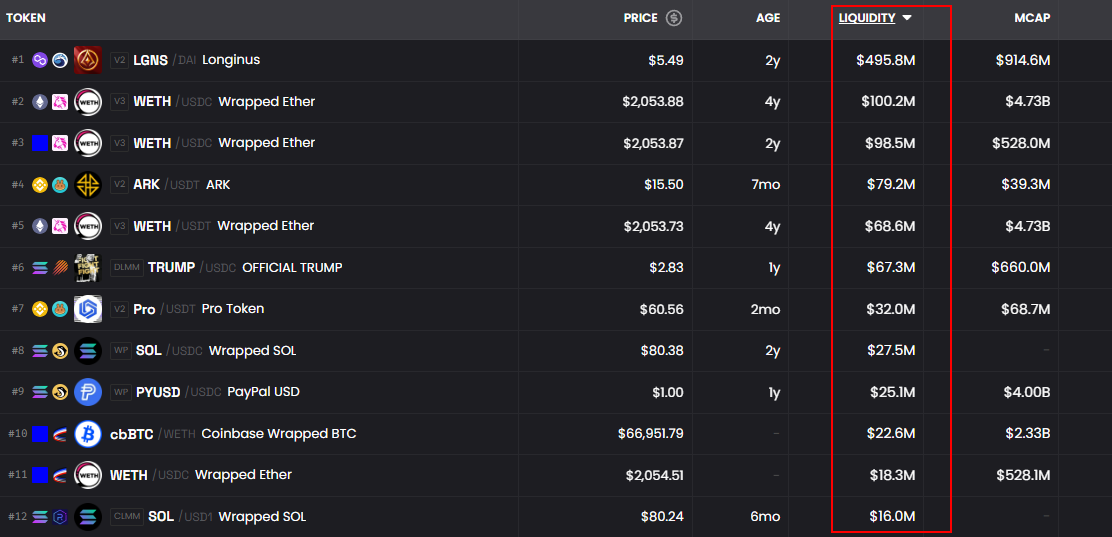
That's why the overall health of a cryptocurrency project depends heavily on its liquidity. In fact, liquidity is often more important than price itself. A coin’s price might double, making your portfolio look impressive. But if liquidity is low, you may not be able to sell your holdings when you want to. That’s why checking liquidity is important before investing in any cryptocurrency. It becomes even more important when dealing with newly traded tokens on DEXs and in DeFi platforms. In these environments, liquidity is often dependent on user-provided funds in liquidity pools, which can fluctuate or disappear quickly.
How Does Liquidity Work in Crypto?
Liquidity in crypto works by ensuring there are enough buyers, sellers, or pooled funds in the market (for that coin) to allow smooth and fast trading. The way it functions depends on whether you are using a centralized exchange (CEX) or a decentralized exchange (DEX).
Centralized Exchange
On CEXs, trading happens in real time where buyers and sellers place orders with their custom price. This place is called the order book. The order book automatically matches buyers and sellers, completing the trade. The closer these orders (buy price and sell price) are to each other, the more liquid the market. When a user places a trade, the exchange matches the user's order with someone on the other side. If there are many orders close to the current price, the market has high liquidity, and your trade executes quickly with minimal price impact. Sometimes users prefer market price to avoid trade delay.
Decentralized Exchange
On DEXs, liquidity works differently, and nothing happens in real time. Instead of matching buyers and sellers directly, trades are executed through liquidity pools. These pools are collections of funds deposited by users called liquidity providers. Prices are determined by algorithms, commonly using the automated market maker (AMM) model. These exchanges are highly susceptible to price slippage and failed trades. Large trades can shift prices significantly if the pool is small.
Overall liquidity plays a crucial role in price stability, trading efficiency, and overall market health. High liquidity means tighter spreads, faster transactions, and more predictable prices. Low liquidity, on the other hand, leads to slippage, volatility, and increased risk, especially for traders dealing with large orders.